Fitbit Air launch redefines the future of screenless fitness tracking in 2026

The distraction-free health revolution has arrived
The world of wearable technology has officially hit a turning point. For years, we have watched smartwatches grow larger, brighter, and more demanding of our attention. From constant wrist pings to glowing screens that ruin our sleep hygiene, the “smart” part of these devices often comes at the cost of our peace of mind. Google has decided to flip the script with a sensational new release that is already sending shockwaves through the industry. Meet the Fitbit Air, a device that strips away the noise and focuses entirely on what matters: your health.
Announced just this week, the Fitbit Air is a bold statement against the “more is better” philosophy. It is a screenless, modular fitness band designed to disappear into your daily life. While competitors are trying to fit entire smartphones onto your wrist, Google is betting that consumers are ready for a “distraction-free” experience. This is not just a budget accessory; it is a sophisticated piece of hardware meant to provide high-fidelity data without the burden of another screen to manage.
Why the Fitbit Air is the perfect name for this device
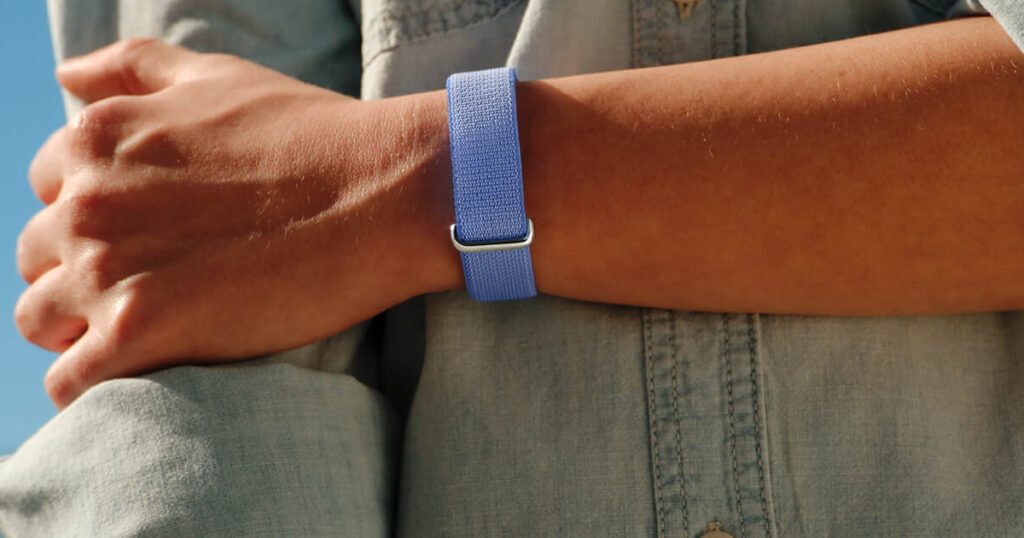
When you first see the Fitbit Air, the first thing that strikes you is its incredible size, or lack thereof. The core of the device is a tiny, pebble-shaped sensor that weighs a mere 5.2 grams. Even with the standard band attached, the entire unit weighs only 12 grams. To put that into perspective, it is roughly the weight of a few sheets of paper. This lightweight design is the foundation of the brand’s promise: you will literally forget you are wearing it.
The “Air” moniker reflects a philosophy of being lightweight, breathable, and virtually invisible. Because there are no screens or buttons, the device sits flush against the skin, making it far more comfortable for 24/7 wear than a traditional smartwatch. For those who find bulky metal casings and glass screens uncomfortable for sleeping, the Fitbit Air is a dream come true. It allows for consistent data collection throughout the night, which is essential for getting a truly holistic view of your recovery and stress levels.
Unlocking the power of the Google Health Coach AI
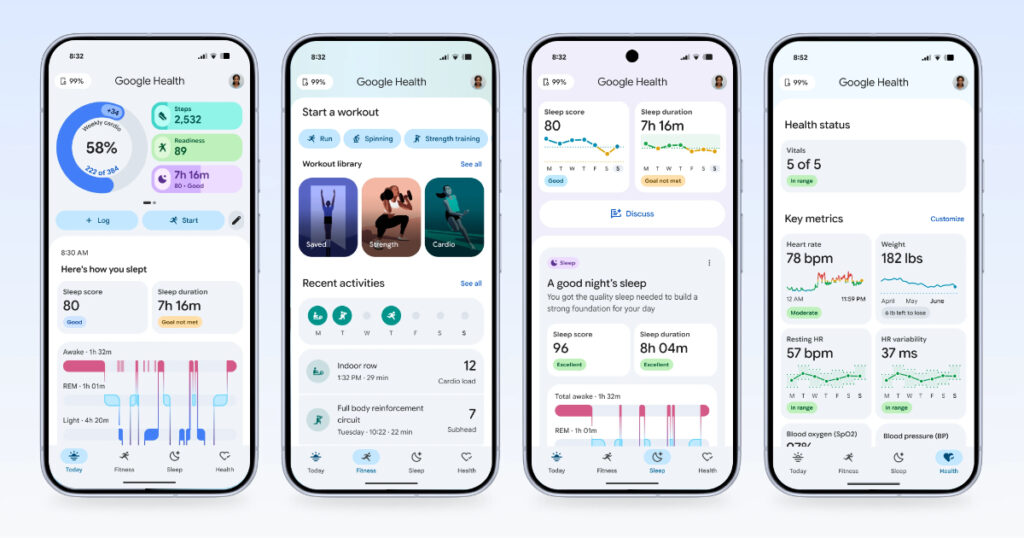
Perhaps the most exciting aspect of the Fitbit Air launch is how it integrates with Google’s massive AI ecosystem. Alongside the hardware, Google has rebranded the Fitbit app as the “Google Health app” and introduced the Google Health Coach AI. Powered by the latest Gemini models, this coach acts as a personal health researcher, data analyst, and motivator all rolled into one.
Because the Fitbit Air collects such high-quality data, the AI can provide insights that go far beyond simple step counts. It analyzes your heart rate variability, sleep stages, and activity levels to tell you exactly how hard you should train today or if you need to prioritize an extra hour of rest. The coach can even analyze photos of your gym equipment or PDFs of your medical records to give you a personalized plan that feels like it was written by a professional trainer. This transition from raw data to actionable advice is the “killer app” of the 2026 wearable market.
High-fidelity sensors in a miniature package
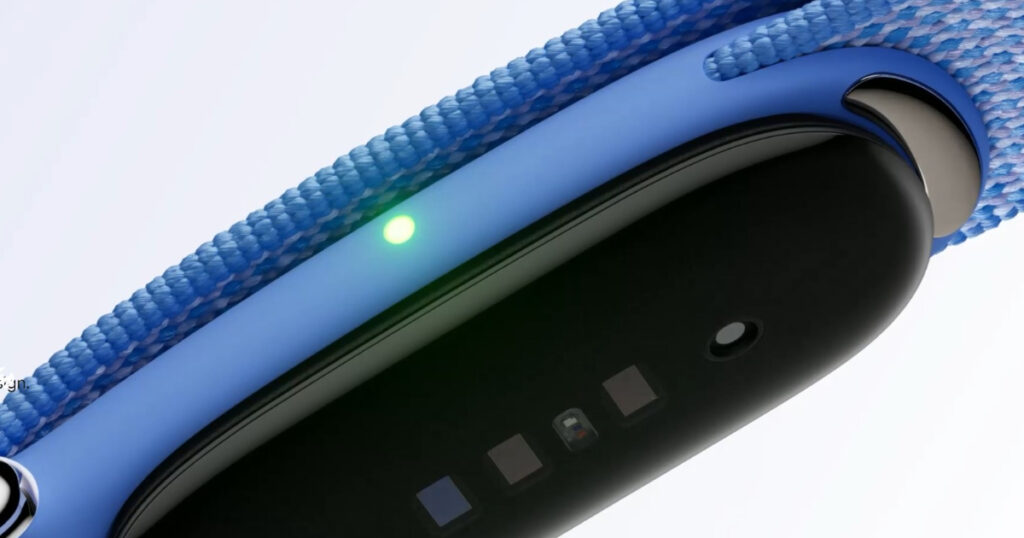
Do not let the tiny size of the Fitbit Air fool you. Inside that 5-gram pebble is a suite of sensors that rival the most expensive trackers on the market. It offers 24/7 heart rate monitoring, heart rhythm checks with Afib alerts, and SpO2 tracking for blood oxygen levels. It also monitors skin temperature and heart rate variability, which are key indicators of how your body is responding to stress and illness.
Another standout feature is the automatic workout detection. Google claims the Fitbit Air can recognize over 140 different activities automatically. Whether you are going for a quick walk, a heavy rowing session, or a weekend bike ride, the device knows what you are doing and logs it in the background. This “passive” tracking means you never have to remember to hit “start” on your wrist. You just live your life, and the Fitbit Air does the heavy lifting of data entry for you.
Battery life that lasts a full week
One of the biggest frustrations with modern smartwatches is the constant need to charge them. It is hard to track your sleep if your watch is sitting on a nightstand every night. The Fitbit Air solves this problem with an impressive Fitbit Air battery life that lasts up to seven full days on a single charge. Because there is no energy-hungry display to power, the battery can focus entirely on the sensors and Bluetooth synchronization.
For those rare moments when you do run low on juice, the device supports incredibly fast charging. A quick five-minute charge provides a full day of power. This means you can plug it in while you take a quick shower and have enough battery to last until the next morning. This level of convenience is a major selling point for people who want a “set it and forget it” health tool.
A modular design for every style
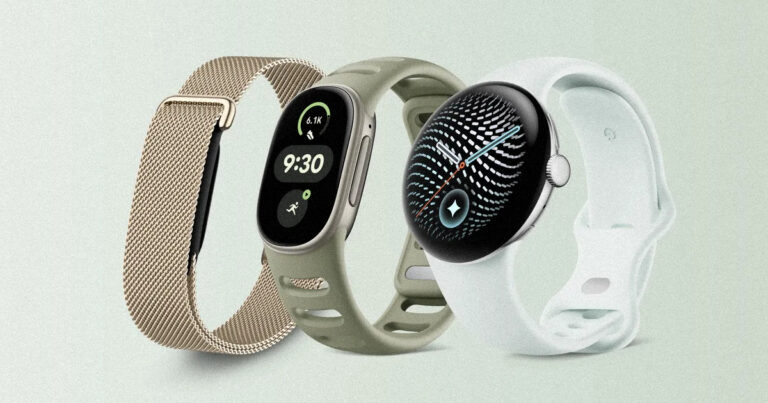
Google understands that a wearable is also a fashion choice. The Fitbit Air features a modular design that allows you to swap out the “pebble” sensor into different bands in seconds. The standard in-box option is the Performance Loop Band, made from recycled materials and designed for a breathable, micro-adjustable fit. However, the options do not stop there.
For athletes, the Active Band offers sweatproof and waterproof silicone that can withstand the toughest environments. For those who want something a bit more sophisticated, the Elevated Modern Band transforms the tracker into a stylish bracelet that looks perfect with formal attire. There is even a special edition collaboration with NBA star Stephen Curry, featuring a unique “rye brown” and orange colorway designed for maximum airflow during high-intensity movement. This flexibility ensures that the Fitbit Air fits your lifestyle, whether you are in the boardroom or on the basketball court.
Pricing and availability: Is it the best affordable wearable of 2026?
In an era where premium smartwatches can cost upwards of $800, the pricing for the Fitbit Air is a breath of fresh air. The standard edition retails for just $99.99, making it one of the most accessible high-end trackers ever released. For those who want the Stephen Curry Special Edition or premium metal bands, the price points are slightly higher, but they still remain well under the cost of a typical smartwatch.
The device is compatible with both Android and iOS, ensuring that no one is locked out of the Google Health ecosystem. Every purchase also includes a three-month trial of Google Health Premium, which gives you full access to the AI coaching features right out of the box. Pre-orders are open now, and the device is expected to hit shelves globally on May 26, 2026.