
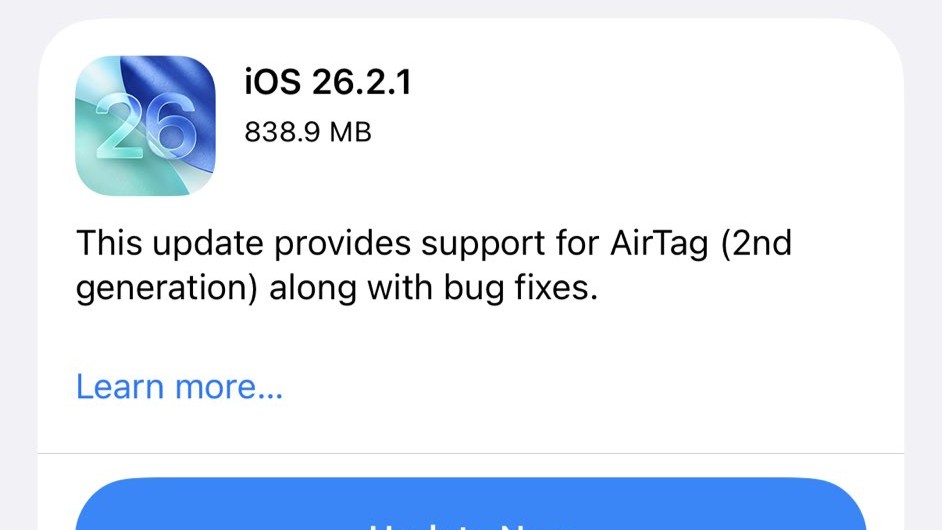
Apple just dropped a Surprise iOS 26.2.1 Update to support the new AirTag 2

Apple caught everyone off guard on Monday by releasing iOS 26.2.1, an update that nobody saw coming. Most people expected iOS 26.3 to arrive next since that version has already been in beta testing with developers. Instead, Apple pushed out this smaller point release alongside two major hardware announcements: the second generation AirTag and a new Black Unity Apple Watch band. The timing makes sense once you understand what the update actually does.
Why did they release this specific update?
The entire reason iOS 26.2.1 exists is to add support for the new AirTag 2 that Apple unveiled the same day. The second generation AirTag includes a brand new Ultra Wideband chip that enables significantly better precision tracking. According to Apple, the new hardware delivers 150 percent better Precision Finding range compared to the original AirTag, along with a speaker that is 50 percent louder. These hardware improvements require software support, which is exactly what iOS 26.2.1 provides.
If you want to use the new AirTag 2 with your iPhone, you need to be running at least iOS 26.2.1. The original AirTag will continue working with older iOS versions, but the new model specifically requires this update or newer to function. That means anyone still running iOS 18 or earlier versions cannot use the AirTag 2 at all, which has annoyed some users who prefer not to update their operating systems frequently.
Any changes for the Apple Watch?
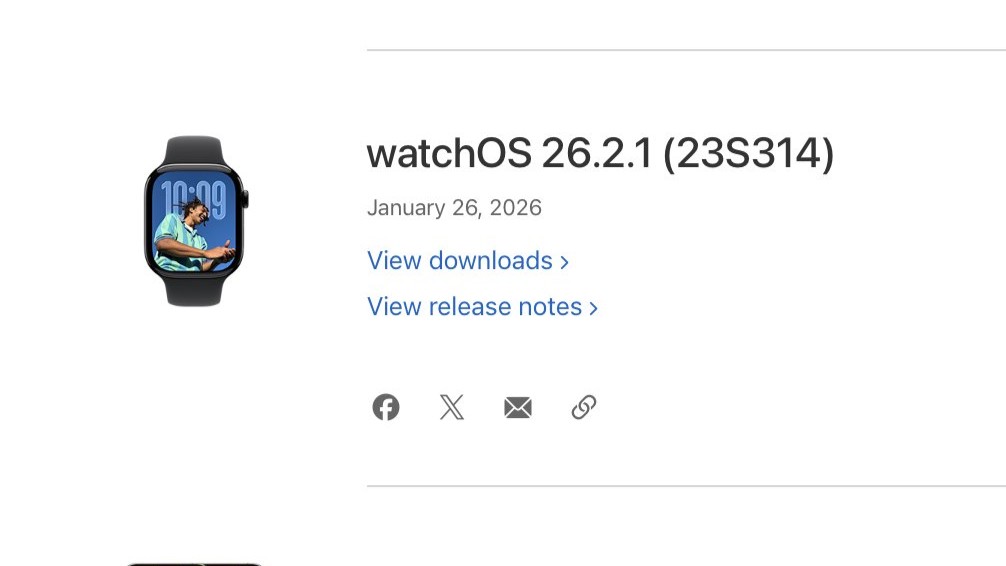
Apple also released watchOS 26.2.1 at the same time, and it includes a feature that Apple Watch owners have been wanting for years. Precision Finding is now available directly on the Apple Watch, giving you haptic feedback, visual guidance, and audio cues to help locate your AirTags without needing to pull out your iPhone. This makes finding lost items much more convenient when you are already wearing your watch.
The catch is that this feature only works with Apple Watch Series 9 or later, and Apple Watch Ultra 2 or later. The Apple Watch SE does not support Precision Finding at all, even with the new update. If you have an older Apple Watch model, you still need to use your iPhone to get the precision tracking features. It is not entirely clear yet whether Precision Finding on Apple Watch works with both the original AirTag and the new AirTag 2, or if it is exclusive to the new hardware.
Apple released updates for older iPhone models as well
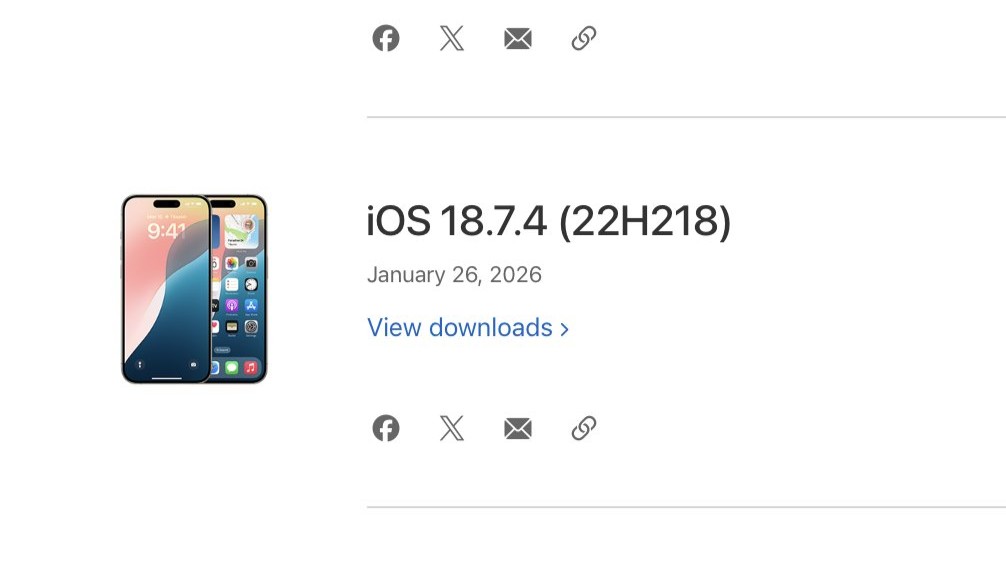
In a move that surprised a lot of people, Apple simultaneously released updates for much older iOS versions. We are not just talking about last year’s software. Apple pushed out iOS 18.7.4, iOS 16.7.13, iOS 15.8.6, and even iOS 12.5.8. That last one is particularly notable because iOS 12 came out in 2018 and officially supports devices as old as the iPhone 5s and iPhone 6 Plus.
The gap between iOS 12 updates has been enormous. The previous update, iOS 12.5.7, came out in January 2023. That means Apple went three full years without updating iOS 12, and then suddenly decided to release iOS 12.5.8 in January 2026. This breaks the pattern of Apple abandoning old software versions after a few years. The company has done similar things before, like when it released iOS 9.3.6 and iOS 10.3.4 in 2019 after years without updates to those versions.
These updates for older iOS versions likely contain security patches rather than new features. Apple does not provide detailed release notes for updates to discontinued iOS versions, so users just have to trust that the updates are fixing important vulnerabilities. For people still using older iPhones because they cannot afford newer models or simply prefer their current devices, getting security updates seven or eight years after the phone was released is actually pretty good support compared to what Android manufacturers typically offer.
Why are we calling this a surprise update?
What makes this release unusual is the timing. Apple typically follows a predictable pattern with iOS updates. Major versions like iOS 26 come out in September alongside new iPhones. Then you get point releases like iOS 26.1, 26.2, and 26.3 spread out over the following months. Smaller bug fix releases with two decimal points, like iOS 26.2.1, usually only appear when Apple needs to quickly patch a serious bug or security issue.
This is apparently the first time Apple has released a point update specifically to add support for new hardware rather than just fixing problems. Most incremental updates are emergency patches for things that broke or security vulnerabilities that need immediate attention. Using iOS 26.2.1 to enable AirTag 2 functionality is a departure from that norm, though it makes sense from a logistics perspective since Apple needed the software ready for the hardware launch.
How can you install this update?
Getting iOS 26.2.1 is straightforward if your device supports it. Go to Settings, tap General, then tap Software Update. Your iPhone will check for available updates and should show iOS 26.2.1 as ready to install. The download and installation process typically takes less than 10 minutes depending on your internet speed and device model. Make sure you have enough battery life or plug your phone in during the update to avoid any issues.
The update is available for iPhone 11 and newer models, which covers every iPhone released from 2019 onward. That includes the iPhone 11, iPhone 11 Pro, iPhone SE (2nd and 3rd generation), iPhone 12 series, iPhone 13 series, iPhone 14 series, iPhone 15 series, iPhone 16 series, and the iPhone 17 series that just launched.
What can we expect from Apple next?
Apple is already testing iOS 26.3 with developers, and that update is expected to arrive sometime in late January or early February. iOS 26.3 will be a more substantial release with actual new features rather than just hardware support and bug fixes. Rumored features for that update include a new iPhone to Android transfer tool that makes switching between platforms easier, and Notification Forwarding for third party smartwatches in the European Union to comply with regulations there.
After iOS 26.3, the next significant update will be iOS 26.4, which is expected to arrive sometime in March. That update is rumored to be much larger with more meaningful changes and improvements. Apple typically saves bigger feature additions for updates that include a change to the second number in the version, while treating updates with three numbers as minor maintenance releases.



[…] you were expecting Ferrari’s first foray into the electric world to look like a rolling iPad, you are in for a very pleasant surprise. Ferrari has pulled back the curtain on the interior of […]
[…] for most of the hardware announced during the Apple 2026 event are live now. General retail availability and shipping begin on Wednesday, March […]