
How to build apps using AI tools without coding in 2026

In the modern digital landscape, the barriers to entry for software development are rapidly dissolving. A few years ago, creating a functional mobile application required months of studying complex programming languages like Java, Swift, or Python. Today, the rise of artificial intelligence has shifted the focus from writing lines of code to articulating clear ideas. As demonstrated in the recent guide on how to build apps using AI tools in 2026, anyone with a creative spark and access to the right platforms can transform a simple concept into a revenue-generating reality without ever touching a traditional code editor.
The evolution of app development through artificial intelligence
The fundamental shift in technology revolves around the concept of natural language processing. In the past, a developer had to act as a translator, taking a human idea and converting it into a language that a computer could understand. With tools like Replit and advanced language models, the computer now understands human language directly. This means that the technical “how” is handled by the AI, allowing the creator to focus entirely on the “what” and the “why.” This democratization of technology ensures that individuals from non-technical backgrounds can compete in the app market, solving specific problems or creating entertainment tools that were previously the exclusive domain of software engineers.
One of the most striking aspects of this new era is the speed of execution. A project that might have taken a team of developers weeks to prototype can now be generated in a matter of minutes. By using a prompt-based interface, a user can describe the features they want, such as a user login system, a database for storing information, or a specific visual aesthetic. The AI interprets these instructions, selects the appropriate frameworks, and builds a working environment. This rapid prototyping allows for immediate testing and iteration, which is crucial for finding success in a crowded digital marketplace.
Identifying profitable ideas with AI assistance
Success in the app world starts with a solid idea, but coming up with a unique concept can be a daunting task. The tutorial highlights how AI tools like ChatGPT can serve as a powerful brainstorming partner. Instead of staring at a blank screen, a user can ask the AI for trending app ideas or niche solutions that are currently in high demand. For instance, creating an app that simplifies AI image or video generation is a highly relevant concept because many existing platforms are complex or expensive. By building a streamlined, user-friendly interface for these technologies, a creator can offer significant value to the end user.
When selecting an idea, it is important to look for “micro-tools” or utility apps that solve a single problem very well. These types of applications are often easier to build and maintain than complex social networks or massive e-commerce platforms. Simple tools for productivity, content creation, or financial tracking are excellent starting points for beginners. The AI can help refine these ideas by suggesting specific features that will make the app stand out, such as custom animations, specific color themes, or integrations with other popular digital services.

Navigating the Replit ecosystem for beginners
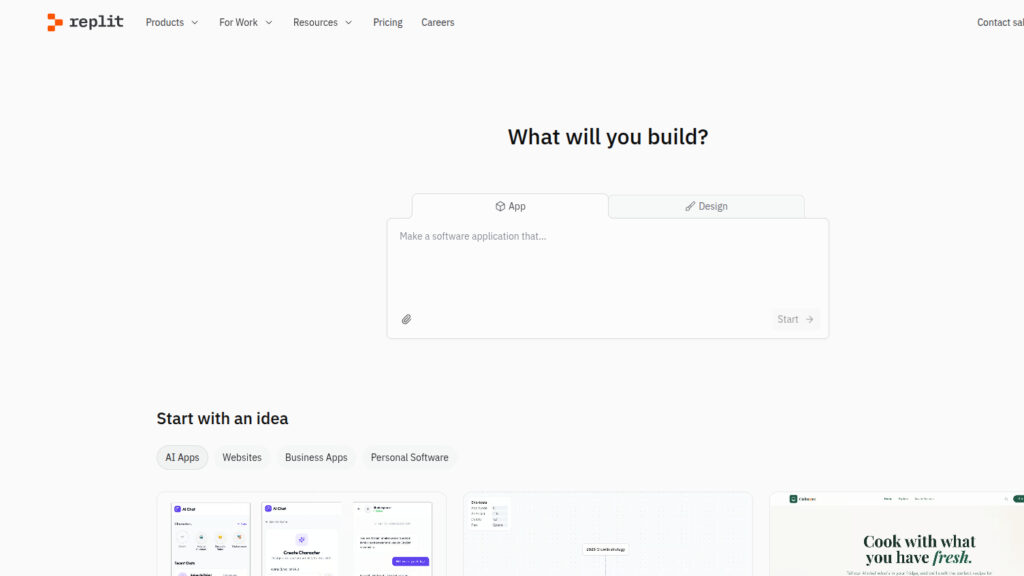
Replit has emerged as a central hub for this new wave of no-code and low-code development. It provides a cloud-based environment where all the necessary tools are pre-configured, removing the need for local software installations or complex server setups. For a new creator, the journey begins by signing up and accessing the prompt box. This is where the magic happens. By entering a detailed description of the desired app, the Replit agent begins the construction process. It is similar to having a conversation with a highly skilled assistant who builds the structure while you provide the creative direction.
The platform offers different tiers of service, including a core plan that provides more processing power and advanced features. While there are free options available, the paid versions often provide a smoother experience for those who are serious about deploying a professional-grade application. Throughout the build process, the user can see the progress in real-time, watching as the AI generates the user interface and the backend logic. If a certain part of the app does not look or function correctly, the user can simply provide a follow-up prompt to request changes, making the development process feel more like a collaborative design session than a technical chore.

Design and customization without graphic skills
User experience and visual appeal are critical components of a successful app. In the past, this required hiring a graphic designer or mastering tools like Photoshop. Now, the AI handles the heavy lifting of design. When a user describes the look they want, the AI applies modern design principles, ensuring that the buttons, fonts, and layouts are consistent and attractive. This includes the creation of splash screens, which are the initial animations users see when they open an app, and the selection of color palettes that evoke specific emotions or brand identities.
The customization process goes beyond just colors. Users can define how different screens transition, how data is displayed, and how interactive elements respond to touch. Because the AI understands the context of the app, it can suggest layouts that make sense for the specific use case. For example, if the app is meant for image generation, the AI will prioritize a large viewing area for the results and easily accessible buttons for downloading or sharing. This level of automated design ensures that even a first-time creator can produce an app that looks professional and functions intuitively.

From prototype to a functional mobile application
Once the design and core features are finalized within the Replit environment, the next step is transforming the web-based project into a downloadable mobile file. This is often where many beginners feel overwhelmed, but the process has been simplified through automated build tools. These tools take the code generated by the AI and package it into a format that can be installed on Android or iOS devices. The video explains that after the build is complete, a user can download the application directly or use a QR code to transfer it to their phone.
Seeing the application live on a physical device is a transformative moment for any creator. It validates the effort and confirms that the AI-generated logic works in a real-world setting. At this stage, the creator can perform final tests to ensure that every button works as intended and that the app performs well under different conditions. This hands-on testing phase is vital for identifying any minor glitches that might need one last prompt to fix before the app is ready for a wider audience.
The path to monetization and growth
Building the app is only the first half of the journey; the second half is making it profitable. The tutorial mentions that even simple apps can generate consistent income through various models. One common approach is a subscription model, where users pay a small monthly fee to access premium features. Another is through advertisements, where the creator earns money based on the number of people who view or click on ads within the app. Because the development cost is significantly lower when using AI, the path to profitability is much shorter than it used to be.
To grow the app, creators must focus on marketing and user feedback. Sharing the app on social media, participating in relevant online communities, and optimizing the app for search engines within app stores are all strategies to increase visibility. As users begin to provide feedback, the creator can return to Replit and use the AI to implement updates and new features quickly. This cycle of constant improvement keeps the app relevant and encourages long-term user retention. The ability to pivot and adapt at the speed of thought is perhaps the greatest advantage of using AI for app development in 2026.