READ THIS before you buy the Garmin Quatix 8 Pro

The Garmin Quatix 8 Pro costs ₹1,17,000, which is an extraordinary amount of money for a smartwatch. You could buy three Apple Watch Series 10 units for that price, or five Samsung Galaxy Watch 7 devices, or approximately eleven budget smartphones that would serve most people perfectly well for their daily needs. But here’s the thing about the Quatix 8 Pro. Garmin isn’t building this watch for most people. They’re building it for sailors, mariners, offshore fishermen, and people who genuinely need to stay connected when they’re fifty miles from the nearest cell tower, surrounded by nothing but ocean.
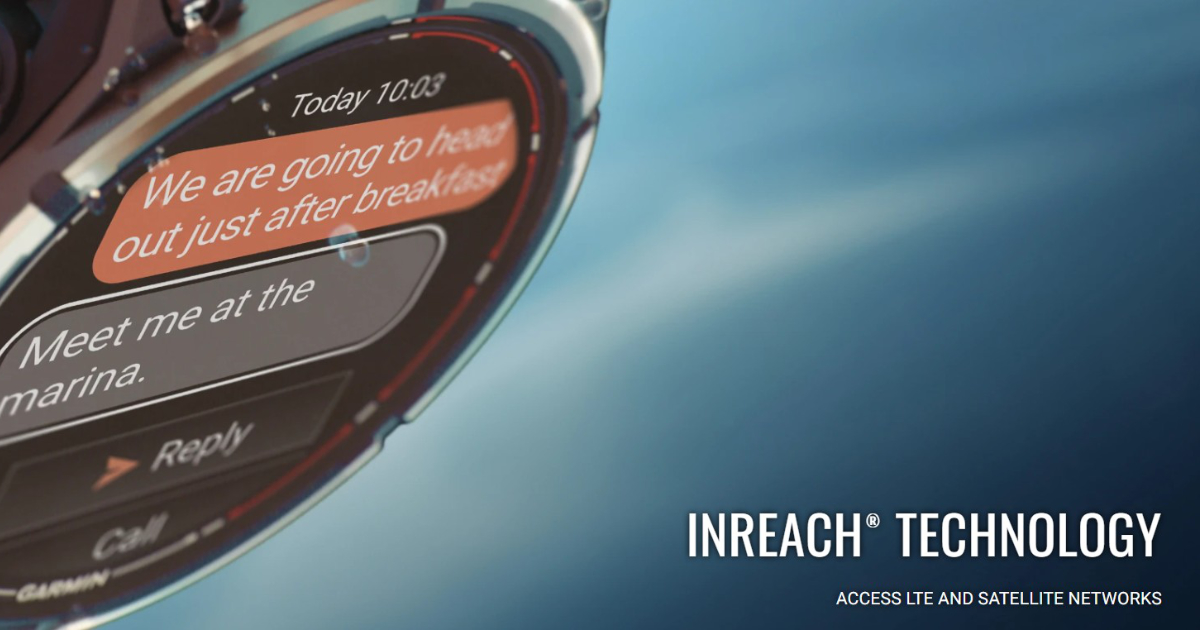
The watch includes built-in inReach satellite technology that provides two-way messaging, location sharing, weather updates, and SOS capabilities without requiring any phone connection whatsoever. It also features LTE cellular connectivity for voice calls when you’re within network range, marine-specific features like autopilot control and trolling motor integration, a bright 1.4-inch AMOLED display protected by sapphire crystal, a titanium bezel, and battery life that reaches fifteen days in standard smartwatch mode. The question you need to ask yourself before even considering this watch is simple.
Do you actually need satellite communication on your wrist, or would you be better served by a regular smartwatch that costs one-tenth as much and does everything else equally well? Well, in this article, we will tell you everything that you need to know about the Garmin Quatix 8 Pro, so that you can ultimately decide if this is the smart wearable for your wrist.
Satellite communication on your wrist
The standout feature of the Quatix 8 Pro is the integrated inReach satellite communication system, which Garmin first introduced in their handheld GPS devices and has now miniaturized enough to fit inside a wristwatch. With an active subscription, which costs extra and is absolutely required for any satellite functionality to work, the watch can send and receive text messages using the Iridium satellite network when you’re completely outside cellular coverage.
This means you can send location check-ins to family and friends, receive weather forecast updates, and most importantly, trigger an SOS alert that connects directly to Garmin’s Response coordination center, which operates twenty-four hours a day and has coordinated over twelve hundred rescue incidents on the water. Satellite coverage extends up to approximately fifty miles offshore, which covers the range where most recreational boating and fishing activities occur. The LTE cellular module provides voice calling and messaging when you’re within network range, which overlaps significantly with coastal areas but gives you options when satellite would be overkill.
For people who spend significant time on the water, the ability to call for help or stay in touch without carrying a phone is genuinely valuable, particularly when phones are vulnerable to water damage, battery drain, and the general chaos of being on a moving vessel in rough conditions.
The practical reality of satellite communication is that coverage isn’t available everywhere, regulations vary by country, and some jurisdictions actually prohibit satellite communication devices entirely. You need to check whether satellite services are accessible in your area and in countries where you plan to travel, because buying a ₹1,17,000 watch and then discovering that satellite features don’t work where you need them would be rather frustrating.
The subscription costs are ongoing, meaning you’re not just paying ₹1,17,000 upfront but also committing to monthly or annual fees to maintain satellite and LTE connectivity. Garmin offers various subscription tiers depending on how many messages you plan to send and whether you need additional features like weather forecasting or tracking services. These subscriptions can add several thousand rupees annually to the total cost of ownership, which needs to be factored into your decision about whether this watch makes financial sense.
Design, Display and Build Quality
The physical construction of the Quatix 8 Pro mirrors the premium architecture of Garmin’s Fenix 8 Pro, which makes sense because they’re essentially the same watch with different software emphasis. The 47mm case uses fiber-reinforced polymer with a titanium rear cover, which balances durability with wearability. Some sources mention a 51mm option, though official specifications from Garmin currently list only the 47mm size for this model.
The titanium bezel provides structural strength and scratch resistance, while the sapphire crystal lens protects the display from impacts and abrasion that would destroy regular glass in marine environments. The watch is rated to 10 ATM water resistance, which translates to one hundred meters depth, making it suitable for swimming, snorkeling, and surface water sports but not for serious diving where you’d need higher ratings. The leakproof metal buttons ensure that water ingress doesn’t compromise functionality, which matters when you’re using the watch in conditions where saltwater spray is constant and immersion is likely.
At 207 grams for the 47mm version, the watch has substantial weight that some people will find reassuring and others will find tiresome during long wear periods. The thickness isn’t specified in most sources but appears similar to the Fenix 8 Pro, which measures around 14.9mm thick, making this a chunky watch that won’t slip under tight shirt cuffs.

The 1.4-inch AMOLED display runs at 454 x 454 pixel resolution, which provides sharp text and graphics that remain readable even in direct sunlight. The high brightness capability, though specific nit values aren’t consistently reported across sources, ensures visibility in the harsh lighting conditions common on water where sun glare reflects off every surface. The display supports practical modes like large font rendering for easier reading without glasses, red shift mode to preserve night vision during evening navigation, and full touchscreen input supplemented by physical buttons for situations where touch doesn’t work due to water or gloves.
Unlike the Fenix 8 Pro, which offers a MicroLED display option in some variants, the Quatix 8 Pro uses only AMOLED technology, probably to keep the already astronomical price from climbing even higher. The Always-On Display mode lets you check information at a glance without raising your wrist or pressing buttons, though enabling this feature reduces battery life from fifteen days down to eight days, which remains better than most smartwatches manage even in their best power-saving modes.
Features and Functionality for Mariners
The marine-specific functionality is where the Quatix 8 Pro earns its premium positioning and justifies the price for its target audience. The enhanced Boat Mode surfaces marine-related apps and controls when you’re on the water, then hides those features when you’re ashore, which prevents cluttering the interface with boat controls when you’re at the gym or sitting in an office. When Boat Mode is active, you can connect to compatible Garmin chartplotters and view navigational data directly on your wrist, set waypoints without touching the main display, and control autopilot functions for compatible marine autopilot systems.
The watch can interface with Force trolling motors, allowing you to adjust speed and direction from your wrist while keeping your hands free for fishing or boat handling. Voice command support for chartplotters means you can issue navigational instructions hands-free, which sounds gimmicky until you’re trying to manage a boat in challenging conditions where freeing up both hands makes a genuine difference to safety and effectiveness. The watch can also control entertainment and lighting systems on compatible vessels, consolidating multiple remote controls into a single wrist-worn device.

For people who are keen on exploring or investing in Garmin’s marine ecosystem with compatible hardware already installed on their boats, the Quatix 8 Pro becomes a central control hub that genuinely streamlines operations. For people without that existing infrastructure, the marine features remain interesting capabilities that you’ll rarely use, making the premium price harder to justify.
Navigation capabilities include multi-band GPS with support for GPS, GLONASS, Galileo, QZSS, and BeiDou satellite systems, plus SatIQ technology that automatically selects the best positioning mode based on your environment to balance accuracy with battery consumption. The watch includes preloaded TopoActive maps for land navigation, BlueChart g3 coastal charts for marine navigation, LakeVü g3 maps for inland water bodies, plus ski resort maps and golf course maps for recreational activities.
The breadth of mapping coverage means the watch functions equally well whether you’re hiking mountains, sailing coastlines, fishing lakes, or playing golf, though the small screen size makes detailed map reading more challenging than using a dedicated chartplotter or handheld GPS. The compass, barometric altimeter, and gyroscope provide additional navigational data, while sunrise and sunset information helps with planning activities around daylight availability.
Health-specific features and battery longevity
The health and fitness tracking matches what you’d expect from a premium Garmin device, even if these features aren’t the primary reason anyone buys a Quatix. The watch provides continuous heart rate monitoring using Garmin’s Elevate V5 optical sensor, Pulse Ox blood oxygen saturation measurement, ECG capability for detecting irregular heart rhythms, sleep tracking with detailed analysis and coaching recommendations, stress monitoring with relaxation breathing exercises, skin temperature tracking, hydration reminders, and women’s health features including menstrual cycle tracking and pregnancy monitoring.
The Body Battery metric estimates your energy reserves based on multiple physiological signals, helping you understand when you’re recovered enough for intense activity or when you need rest. The watch supports over one hundred activity profiles covering everything from marine sports like wakesurfing, sailing, and water skiing to land-based activities like running, cycling, hiking, swimming, strength training, yoga, and golf. The activity tracking is comprehensive and accurate, though Garmin’s strength has always been outdoor activities and GPS sports rather than the lifestyle tracking that Apple and Samsung emphasize.
Battery life specifications claim up to fifteen days in standard smartwatch mode with continuous heart rate monitoring and smartphone notifications but without using GPS or satellite features. Enable the Always-On Display and battery life drops to eight days. Activate GPS tracking and you get forty-four hours of continuous recording, which drops to around eight hours if you’re using multi-band GPS with music playback and LTE tracking simultaneously.

These figures represent good performance for a device with a bright AMOLED display and constant connectivity options, particularly when compared to the Apple Watch Series 10 that requires daily charging or the Samsung Galaxy Watch 7 that lasts two to three days with moderate use. The practical reality for most users is that you’ll charge the Quatix 8 Pro weekly if you’re using it primarily as a smartwatch with occasional GPS activities, or more frequently if you’re constantly using satellite messaging and marine features.
The proprietary charging cable connects to a four-pin port on the back of the watch, and you’ll want to carry the cable with you on extended trips because the battery won’t last indefinitely even with its impressive endurance.
Smart features include Garmin Pay for contactless payments at compatible terminals, music storage for offline playback through Bluetooth headphones, smartphone notifications for calls, texts, and app alerts when paired with your phone via Bluetooth, and the ability to accept or reject calls directly from the watch when LTE is enabled. The QuickFit band system lets you swap bands without tools, choosing from various materials including silicone, nylon, leather, and metal depending on your aesthetic preferences and activity requirements.
The integrated LED flashlight provides illumination for reading charts, checking equipment, or navigating in darkness, which seems like a minor feature until you need it and appreciate having light available without carrying a separate flashlight.
Is this the Garmin Quatix 8 Pro the smartwatch for you?
The Garmin Quatix 8 Pro makes sense for professional mariners who spend significant portions of their lives offshore and need reliable communication for safety and operational purposes. It makes sense for serious recreational sailors who venture beyond coastal cell coverage and want the security of satellite SOS capabilities. It makes sense for offshore fishing enthusiasts who already own compatible Garmin marine electronics and will benefit from integrated control and monitoring. It makes sense for people who participate in offshore racing or long-distance cruising where staying connected matters for coordination and emergency response.
The watch does not make sense for casual boaters who stay within sight of land and always have cell signal. It doesn’t make sense for people who want a smartwatch primarily for fitness tracking and lifestyle features, because you can get equal or better performance from devices costing one-tenth as much. It doesn’t make sense for budget-conscious buyers looking for value, because the Quatix 8 Pro deliberately targets a premium niche where price is less important than capability.
The competition in this specific category barely exists because few manufacturers attempt to combine satellite communication with smartwatch functionality in a marine-focused package. Apple’s satellite SOS feature on iPhone 14 and newer models provides emergency communication but lacks the two-way messaging and marine integration that Garmin offers. Garmin’s own inReach Mini 2 provides similar satellite capabilities in a dedicated device that costs around ₹35,000 but lacks the smartwatch features and marine integration.
The Garmin Fenix 8 Pro offers identical satellite and LTE capabilities with different software emphasis, making it the closest alternative if you want the connectivity without the marine-specific features. For people who don’t need satellite communication, watches like the Apple Watch Ultra 2 or Samsung Galaxy Watch Ultra provide excellent outdoor capabilities with much lower prices, though neither offers the specialized marine features or the extended battery life that the Quatix 8 Pro delivers.
TattwaTech Score
7.5 out of 10. The Garmin Quatix 8 Pro excels at exactly what it was designed to do, which is providing comprehensive marine functionality with reliable satellite communication for people who genuinely need those capabilities. The price is astronomical, the ongoing subscription costs add to the financial burden, and most people would be better served by watches costing a fraction as much.
But for the specific audience of serious mariners who spend significant time offshore and need the safety net of satellite SOS plus the convenience of integrated vessel control, this watch delivers capabilities that justify the premium positioning. Buy it if you actually use boats regularly and venture beyond cell coverage. Skip it if you’re a weekend sailor or someone who just likes the idea of having satellite communication but wouldn’t actually use it enough to justify the cost.