
READ THIS before you buy the Infinix Note Edge

The Infinix Note Edge costs approximately ₹18,000, which places it firmly in budget territory where every rupee counts and manufacturers have to make difficult choices about what to include and what to leave out. At first inspection, the specifications look rather promising for the money. There’s a 6500mAh battery that should last for days, a 6.78-inch AMOLED display with 120Hz refresh rate and peak brightness of 4500 nits, Android 16 with a promise of three major updates, Corning Gorilla Glass 7i protection, IP65 water resistance, stereo speakers tuned by JBL, and even an FM radio which has become increasingly rare in modern smartphones.
The phone measures just 7.2mm thick and weighs 190 grams, which seems impressively slim for a device containing a 6500mAh battery. But underneath these attention-grabbing specifications lies a MediaTek Dimensity 7100 processor paired with only 8GB of RAM and UFS 2.2 storage, which immediately raises questions about whether Infinix has prioritized the right components for a phone at this price point in 2026.
That said, let’s take a closer look at the new Infinix Note Edge, so that you can ultimately decide if it is the smartphone to buy or not.
Performance and multitasking
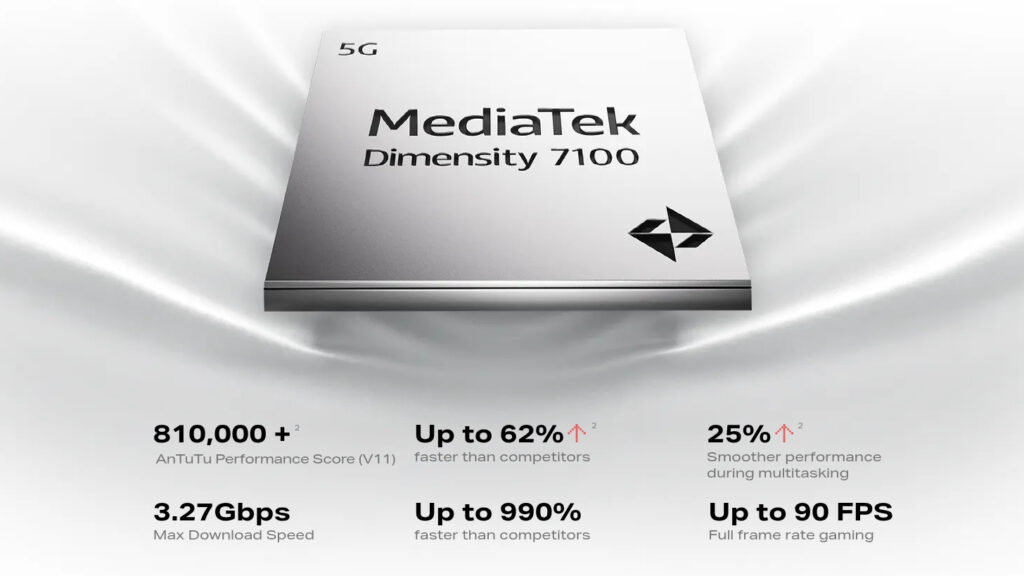
The MediaTek Dimensity 7100 is brand new, having been announced just weeks before this phone launched, but being new doesn’t automatically mean being good. The processor uses a 6nm manufacturing process when most competitors have moved to 4nm technology that offers better power efficiency and performance. The chip features four Cortex-A78 performance cores running at 2.4 GHz and four Cortex-A55 efficiency cores at 2.0 GHz, which sounds adequate on paper until you understand what those numbers actually translate to in real-world usage. Based on available benchmarks and MediaTek’s own specifications, the Dimensity 7100 scores somewhere around 700,000 to 750,000 points on AnTuTu 10, which puts it roughly at the performance level of processors from 2021 like the Snapdragon 778G.
For context, the Snapdragon 7s Gen 4 that powers phones in the same price range scores over 870,000 points, and the Snapdragon 8 Gen 5 in the iQOO Z11 Turbo that costs only ₹13,500 more scores nearly 2.9 million points. What this means for actual daily use is that the Infinix Note Edge will handle social media browsing, video streaming, and basic photography without problems, but demanding games like Genshin Impact or Call of Duty Mobile will require reduced graphics settings to maintain playable frame rates, and heavy multitasking with many apps running simultaneously will cause noticeable slowdowns.
The Mali-G610 MC2 GPU handles graphics processing, and MediaTek claims it offers 8% better performance than the older Dimensity 7050’s Mali-G68 MP4 GPU. That 8% improvement sounds meaningful until you realize that the G610 MC2 has only two cores compared to the four cores in the older chip, which means the performance gain comes from architectural improvements rather than raw processing power. For casual mobile gamers who play titles like BGMI, Free Fire, or Candy Crush, this GPU will provide acceptable performance at medium settings.
For serious gamers who want high graphics settings with consistently smooth frame rates, this phone will disappoint. The combination of a 6nm processor with moderate clock speeds does have one advantage, which is thermal management. The Dimensity 7100 runs cooler than more powerful processors, which means the phone won’t get uncomfortably hot during extended gaming sessions or when recording long videos. That’s a genuine benefit for people who use their phones for hours at a time, though it comes at the cost of lower peak performance compared to phones with more powerful chips.
Memory configurations that could raise a few questions and eyebrows
The real problem with the Infinix Note Edge reveals itself when you examine the memory and storage configuration. The phone comes with only 8GB of RAM using LPDDR5-5500 specification, which is fast RAM but not enough of it for a phone in 2026. Most apps and games are designed assuming phones have at least 8GB RAM, which means this phone will constantly be at the edge of its memory capacity. You’ll notice apps reloading when you switch between them because the phone doesn’t have enough RAM to keep everything running in the background.
The 128GB or 256GB storage options use UFS 2.2 technology, which has sequential read speeds around 900 MB/s compared to UFS 3.1’s 2100 MB/s or UFS 4.0’s 4200 MB/s. What this means in practical terms is that large apps take longer to install, games take longer to load, photos take longer to save after you capture them, and the entire phone feels sluggish when accessing storage compared to devices with faster memory.
For ₹18,000 in 2026, you have every right to expect UFS 3.1 storage at minimum, and seeing UFS 2.2 in a new phone feels like Infinix is using components that should have been retired years ago. There’s no microSD card slot for expansion, which means you’re stuck with whichever storage capacity you choose at purchase, and if you fill up the 128GB variant with photos and videos, your only option is to delete content or upload it to cloud storage.
Battery life that redeems the device as a whole
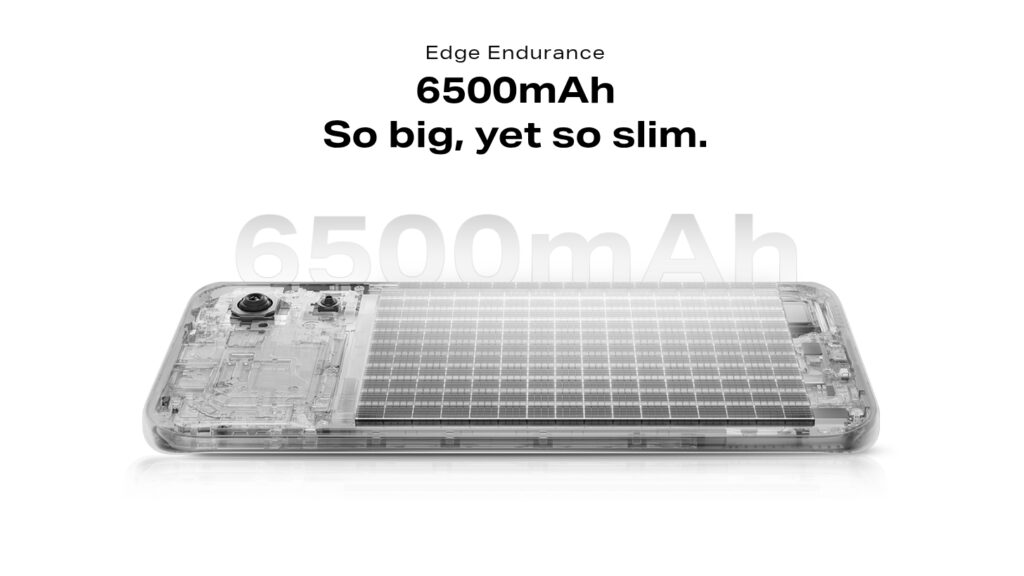
The battery situation provides the strongest argument for buying this phone, assuming battery life matters more to you than performance. A 6500mAh battery in a phone this thin is genuinely impressive engineering, and in normal usage conditions with social media browsing, video streaming, and occasional photography, you’re looking at two full days of use before needing to charge. Heavy users who spend hours gaming or watching videos will still get a full day without anxiety about running out of power.
The 45W wired charging reaches 50% capacity in 27 minutes according to Infinix’s claims, which means you can top up quickly when needed even though the charging speed isn’t particularly fast by 2026 standards where 100W and even 120W charging have become common. There’s no wireless charging, which at ₹18,000 is perfectly reasonable because wireless charging adds cost and most budget phone buyers would rather have a larger battery than the convenience of wireless charging.
The battery uses standard lithium-ion chemistry rather than the newer silicon-carbon technology found in more expensive phones, which explains why a 6500mAh battery in this phone weighs about the same as a 7600mAh silicon-carbon battery in the iQOO Z11 Turbo.
Design, Display and Build Quality
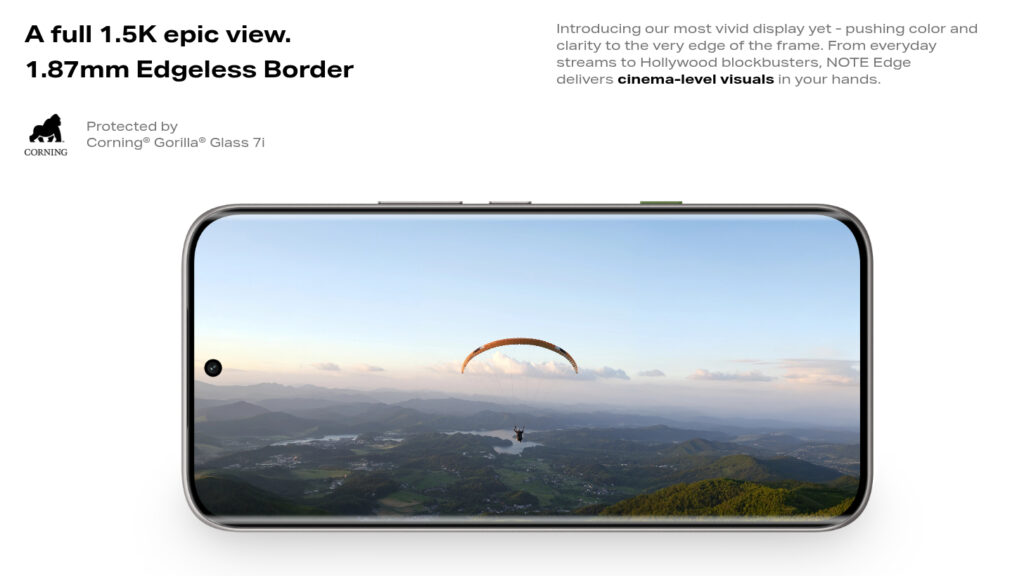
The display is a 6.78-inch AMOLED panel with 1208 x 2644 resolution, which works out to 393 pixels per inch. That pixel density is adequate but noticeably lower than the 450+ ppi you find in phones costing just slightly more. Text will look sharp enough for most purposes, but if you look closely, you’ll notice individual pixels in small text and fine details. The 120Hz refresh rate makes scrolling feel smooth, and the 2160Hz PWM dimming should reduce eye strain for people sensitive to screen flicker. The claimed peak brightness of 4500 nits sounds extraordinary until you realize that peak brightness measurements are often meaningless marketing numbers achieved only in tiny portions of the screen under specific test conditions.
Typical brightness in real usage is probably around 700 to 800 nits, which is adequate for indoor use and acceptable for outdoor visibility in moderate sunlight, but not exceptional. The display supports 1 billion colors and HDR, which means Netflix and YouTube videos will look decent with good color saturation and contrast. The Corning Gorilla Glass 7i protection is genuine and should resist scratches better than unprotected glass, though it’s not the flagship-level Gorilla Glass Victus protection that costs significantly more.
The screen-to-body ratio of 105.8% is obviously a calculation error or marketing exaggeration because no phone can have more than 100% screen-to-body ratio, but the bezels appear reasonably slim in photos without being the edge-to-edge design of more expensive phones.
The build quality includes some thoughtful touches that make the phone more practical for daily use. The IP65 rating provides dust-tight protection and resistance to low-pressure water jets, which means the phone can survive rain, splashes, and dusty environments but shouldn’t be submerged in water. That’s adequate protection for most real-world situations where you might get caught in rain or accidentally splash water on your phone, though it’s not the IP68 rating that allows full water immersion.
The phone weighs 190 grams at 7.2mm thickness, which is impressively thin for a device with a 6500mAh battery, suggesting Infinix has done competent mechanical engineering to fit components efficiently. The frame material isn’t specified, which usually means plastic rather than aluminum, and the back material also isn’t detailed beyond color options, which suggests either plastic or glass depending on the variant you choose. The lack of material information often indicates less premium materials that manufacturers would rather not highlight.
Camera setup and performance
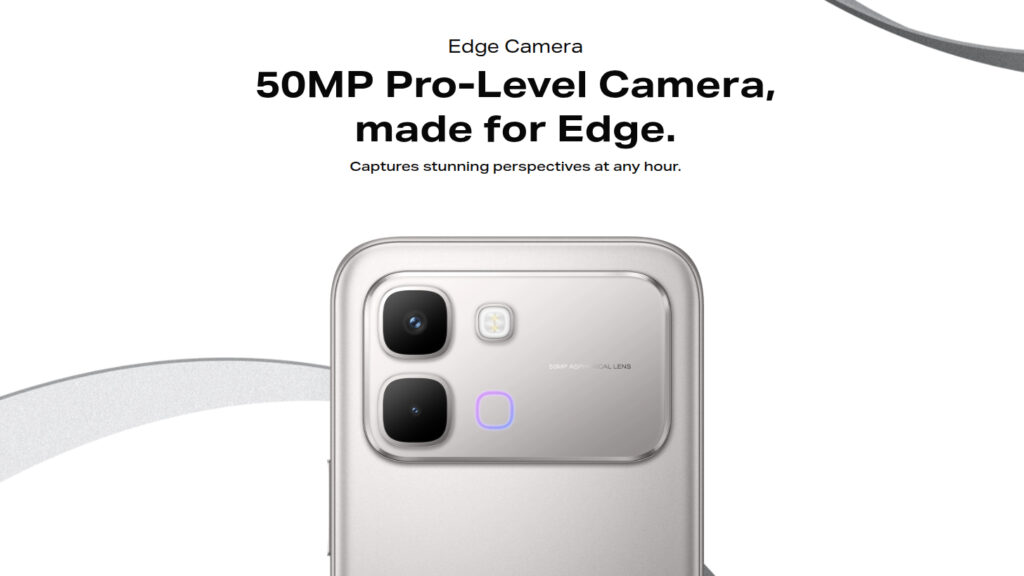
The camera system consists of a single 50MP main sensor with 1/2.0 inch sensor size, 0.8µm pixel size, and PDAF autofocus. Notice the specifications say “Single” camera even though many budget phones claim to have multiple cameras, which suggests Infinix is being more honest than competitors who count depth sensors and macro cameras that nobody actually uses. The 1/2.0 inch sensor size is adequate for a budget phone and should capture decent photos in good lighting with acceptable detail and color accuracy.
The 0.8µm pixel size means individual pixels are fairly small, which helps with resolution but hurts low-light performance because smaller pixels gather less light. In challenging lighting conditions like restaurants, evening scenes, or indoor spaces without bright overhead lights, this camera will produce noisy, grainy photos with muted colors and lost shadow detail. The camera can record up to 1440p video at 30fps, which is unusual because most phones either record 1080p or jump straight to 4K. The 1440p resolution falls between those standards and doesn’t offer compelling advantages over 1080p while creating larger file sizes than 1080p without matching 4K’s quality.
The 13MP selfie camera with f/2.2 aperture is adequate for video calls and social media selfies, though it won’t produce the detailed, well-processed selfies that more expensive phones with better image processing can deliver. The camera software will make or break the photo quality, and Infinix’s track record with image processing has been inconsistent, sometimes producing oversharpened, oversaturated photos that look dramatic on the phone screen but artificial when viewed on larger displays.
Connectivity features and Operating System
The connectivity options include all the standard features you’d expect in 2026. There’s 5G support for future-proofing even though 5G coverage in India remains patchy outside major cities. Wi-Fi 5 provides adequate wireless networking though Wi-Fi 6 has become standard in this price range and offers better performance in congested environments. Bluetooth 5.4 is current-generation and provides reliable connections to wireless headphones and other accessories.
The inclusion of NFC enables contactless payments through services like Google Pay, and the infrared port lets you control televisions and air conditioners, which seems trivial until you need it and appreciate having one less remote to carry. The presence of FM radio is genuinely unusual in 2026 when most manufacturers have removed this feature, and it provides free entertainment without requiring data connectivity, which matters in areas with poor internet coverage.
The USB Type-C 2.0 port provides charging and data transfer, though the 2.0 specification means slower data transfer speeds compared to USB 3.0 or newer standards. The stereo speakers are tuned by JBL, which sounds impressive until you remember that tuning by a name brand doesn’t guarantee good sound quality, just that JBL’s engineers adjusted the equalization settings to their preferences. The speakers will get reasonably loud without terrible distortion, though they’ll lack bass and sound thin compared to phones with larger speaker chambers.
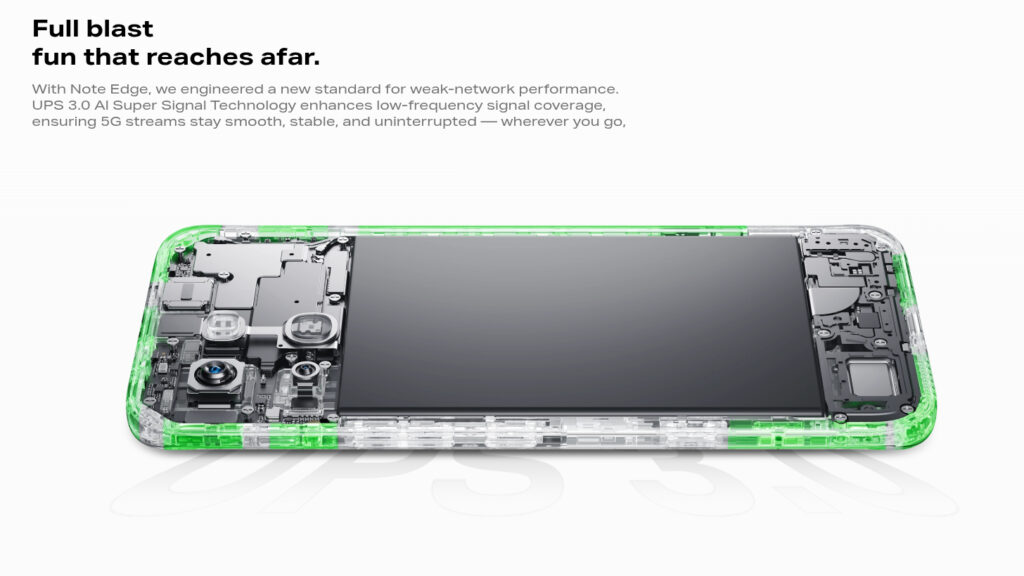
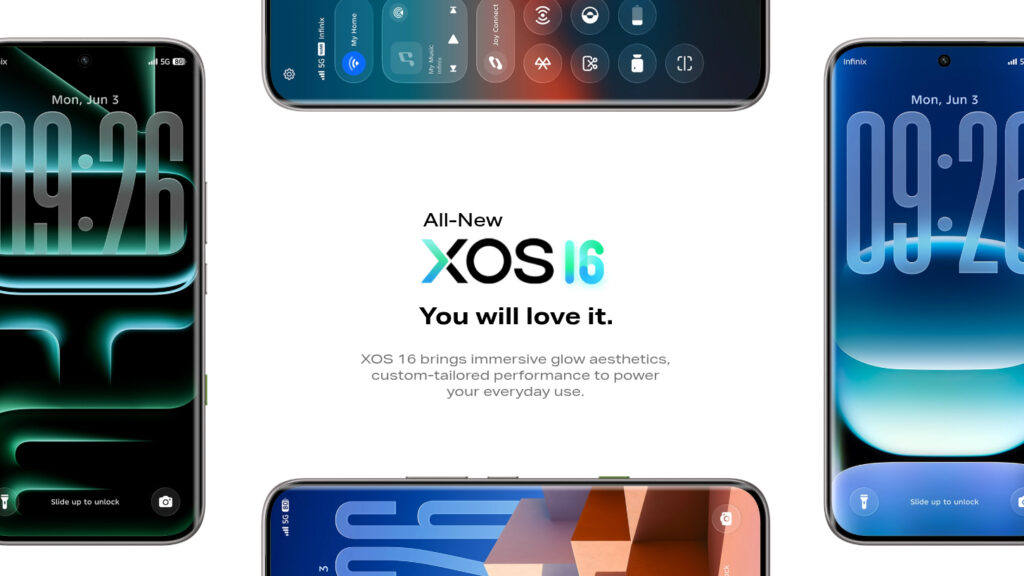
The software is Android 16 with Infinix’s XOS 16 interface, and Infinix promises three major Android updates, which is genuinely good for a budget phone where most manufacturers provide only one or two updates. Android 16 right from launch means you’re starting with the latest features and security updates without waiting for your manufacturer to release updates months after Google makes them available.
XOS 16 is Infinix’s custom interface that adds features, customization options, and unfortunately also bloatware in the form of pre-installed apps that generate revenue for Infinix through advertising or partnerships. Your opinion of XOS will depend entirely on whether you appreciate having lots of customization options or whether you prefer cleaner interfaces with less added software. You’ll need to spend time when you first get the phone uninstalling or disabling apps you don’t want, adjusting settings to prevent aggressive battery optimization from closing apps you want running in the background, and generally configuring the phone to work the way you prefer rather than the way Infinix configured it.
The promise of three major updates means the phone should receive Android 17, Android 18, and Android 19, keeping it current through at least 2029, which makes the phone a more sensible long-term purchase.
Is this the smartphone for you?
When you examine the Infinix Note Edge as a complete package, what emerges is a phone that makes sense for a very specific type of buyer at a very specific price point. If ₹18,000 is your absolute maximum budget and you need a phone with excellent battery life, a large AMOLED screen, and adequate performance for non-demanding tasks, this phone delivers those priorities competently. The 6500mAh battery genuinely provides multiple days of use, the display is large and colorful, and the Dimensity 7100 processor handles everyday tasks without problems.
But if you can stretch your budget by ₹5,000 to ₹7,000, you’ll find phones with significantly faster processors, faster storage, more RAM, and better cameras that provide a noticeably superior experience. The competition includes phones like the Poco X7 with Snapdragon 7s Gen 3 processor, phones from Realme’s number series with better specifications at similar prices, and various options from Samsung’s M series and A series that offer more balanced hardware.
The Infinix Note Edge compromises on processor performance and storage speed to keep the price down while maintaining a large battery and decent display, which works if those are your priorities but feels limiting if you want well-rounded performance.
That said, the Infinix Note Edge makes sense for people who prioritize battery life above everything else and rarely do anything more demanding than social media, video streaming, and casual photography. It makes sense for users who want a large screen for watching videos and don’t care about gaming performance. It makes sense for budget-conscious buyers who need Android 16 with guaranteed updates and can accept moderate performance in exchange for longer software support.
The phone does not make sense for mobile gamers who want smooth performance in demanding titles. It doesn’t make sense for photography enthusiasts who want consistently good photos in various lighting conditions. It doesn’t make sense for heavy multitaskers who run many apps simultaneously and need the RAM and processor power to keep everything running smoothly. And it doesn’t make sense for users who can afford to spend slightly more money to get significantly better hardware that will remain usable for longer.
TattwaTech Score
6 out of 10. The Infinix Note Edge delivers on its primary promise of excellent battery life in a thin package with a large AMOLED display, but the use of outdated storage technology and a moderate processor at ₹18,000 makes it feel like Infinix prioritized keeping costs down over providing balanced performance.
Buy it if battery life and display size matter more than speed and you’re working with a strict budget. Skip it if you can afford to spend slightly more for phones that offer better processors, faster storage, and more RAM that will make the phone feel faster in daily use and remain usable for longer as apps and games become more demanding.




[…] MediaTek Dimensity 6300 processor represents the practical reality of what you can afford at ₹25,500. The chip uses a 6nm […]
[…] While it feels like we just got settled into our current software, the first major leaks for Android 17 have surfaced, and they look incredibly polished. This update, which is rumored to carry the sweet internal […]
[…] here’s where Infinix makes a curious decision that sets this phone apart from virtually every competitor at this price point. Instead of using […]