The Rabbit Project Cyberdeck is a $500 vibe coding PC inspired by a forgotten Sony netbook

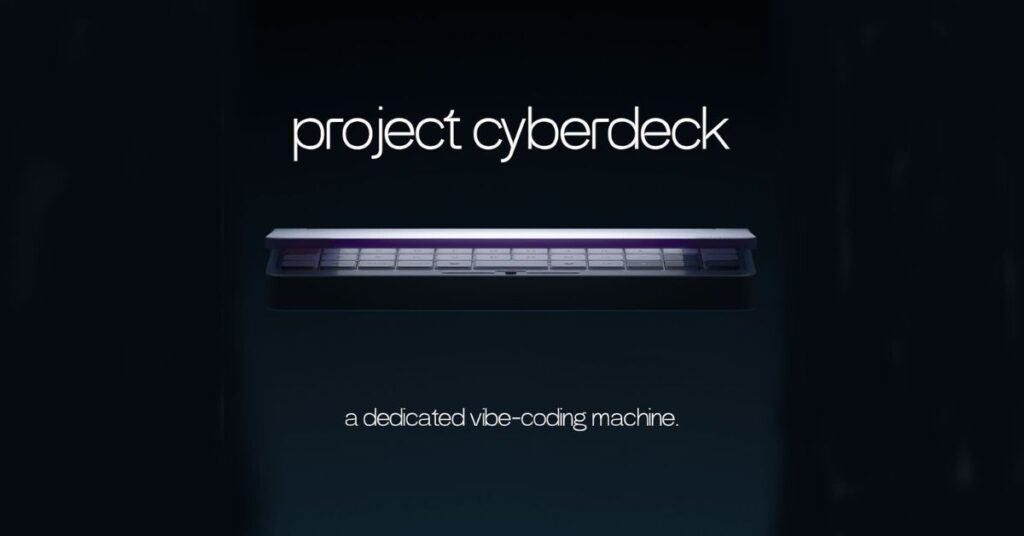
The all-new Rabbit Project Cyberdeck is the company’s next hardware bet, and honestly, it is a pretty interesting one. Not because it is trying to compete with something like NVIDIA’s $3,999 DGX Spark, but because it is going in the complete opposite direction. This is a small, affordable, command-line-first machine built for developers who want to write code with AI on the move. Think netbook energy, but designed for 2026.
The prototype has been making the rounds and we finally have all the tea, so listen up.
Where the idea came from
Rabbit CEO Jesse Lyu noticed something. His software engineers were spending a serious amount of time on Claude Code, Anthropic’s command-line AI coding tool. That observation got him thinking: what if there was a small, pocketable PC that was genuinely built around that kind of workflow?
He went looking for something off the shelf and came back empty-handed. The biggest complaint about budget laptops and Chromebooks? The keyboards. “They all come with shitty rubber dome keyboards,” Lyu mentioned, referring to the flexible silicone sheets that manufacturers use under keys to cut costs and save space. They get the job done but are not something you would actually enjoy typing on for hours.
So Rabbit decided to build what it could not find.
The Sony Vaio P connection
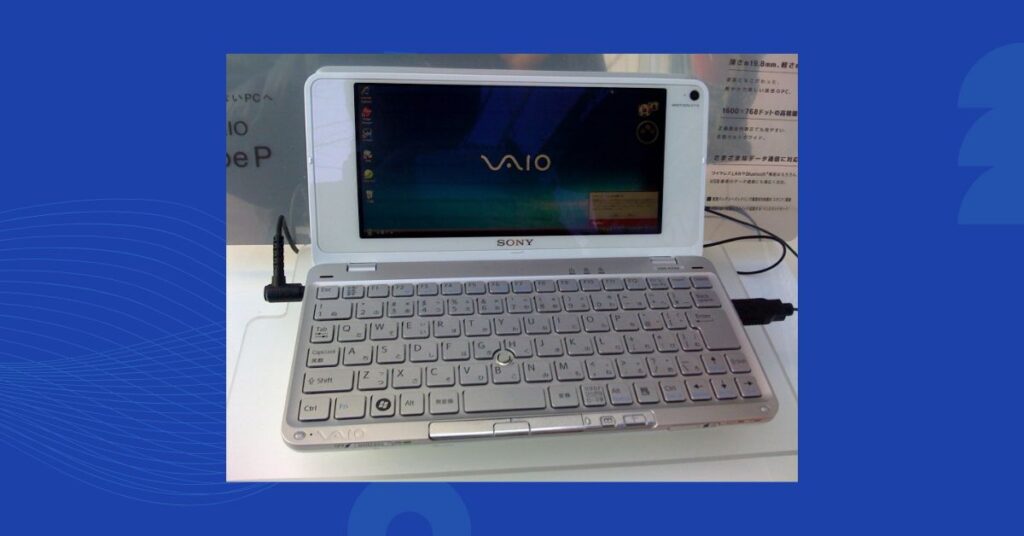
For design inspiration, the team turned to the Sony Vaio P, a now-forgotten 8-inch netbook that was briefly sold from early 2009 to around the end of 2010. At the time, it was the world’s lightest netbook at just 1.4 pounds. But it had real problems. It was expensive at $900 in 2009 (roughly $1,365 today), and its performance did not exactly justify that price tag.
Rabbit Project Cyberdeck is reportedly targeting around $500, which would already be a significant improvement on the Vaio P’s value proposition. Based on early renders described in the Engadget report, the device looks like a mix between the Rabbit R1, the Vaio P, and the original Nintendo DS. Four USB-C ports appear across the renders, allowing connections to external monitors and peripherals, though the final I/O specifications have not been confirmed yet.
What is inside, or what might be the Rabbit Project Cyberdeck spec sheet
Rabbit is still sourcing components and finalizing the design, so a fair bit is still in flux.
What is known:
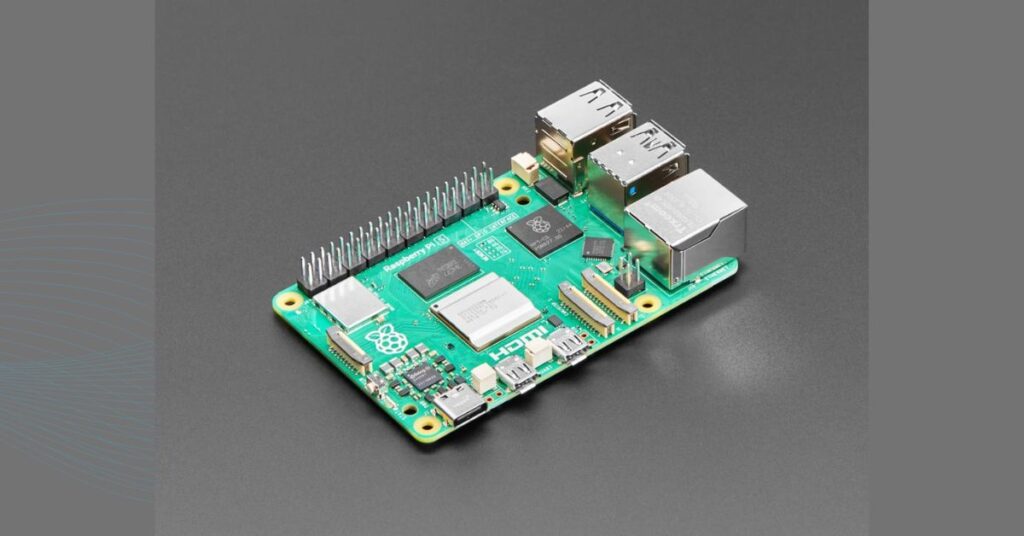
The target chipset performance sits around the Raspberry Pi 5, which features a Broadcom BCM2712 quad-core Arm Cortex A76 processor running at 2.4GHz. With 16GB of RAM, the Raspberry Pi 5 supports dual external monitor output, and Rabbit wants to match that capability. The goal is a machine that communicates quickly with Anthropic and OpenAI’s servers without feeling sluggish, while staying affordable enough that it feels like an easy buy for developers.
RAM is a genuine question mark right now. The whole industry is feeling the pressure of high-bandwidth memory shortages driven by datacenter demand. Prices across PCs, smartphones, and other electronics have been climbing because of it. Lyu believes Rabbit can still ship the Cyberdeck within 2026, but was honest enough to say he could not completely rule out a delay. If memory prices ease up, he is confident the team could move quickly given that the first R1 went from design to shipping in about 93 days.
The operating system is confirmed: Linux. Rabbit will let users modify the OS and install any third-party tools they want. RabbitOS software features will be accessible through command-line prompts.
The keyboard and screen situation
These two things are clearly where Rabbit wants to stand out. Lyu is pushing for a 40% layout mechanical keyboard with low-profile switches and a fully hot-swappable PCB, meaning users can swap out individual switches to tune the typing feel exactly how they want. That is a pretty serious spec for a device at this price range.
On the display side, Lyu had a 7-inch OLED panel sample sitting in his office during the interview. That specific screen offers a 165Hz refresh rate, 815 nits of brightness, and touch input. Whether that exact panel makes it to production is not confirmed, but OLED is the goal. The reason is practical: OLED displays produce black by turning off individual pixels entirely, so there is no backlight drawing constant power. Rabbit plans to ship a dark mode interface from day one to make the most of this.
The real question nobody is fully ignoring about the Rabbit Project Cyberdeck
Here is the honest part. Rabbit Project Cyberdeck sounds genuinely fun, but there is a real question sitting underneath all of this: do developers actually want to carry around a second dedicated device just for coding?
Claude Code and tools like OpenAI’s Cursor already run on whatever laptop you own. Apple has even started integrating vibe coding capabilities directly into Xcode. The market for a standalone coding-specific device is not proven territory, and Rabbit already knows what it feels like to launch hardware that generates buzz but struggles to find its footing, given how the R1 played out.
That said, none of this is settled yet. Rabbit will share more details over the coming weeks and months, and there is enough in the early vision to keep it interesting. A $500 Linux machine with a proper mechanical keyboard and an OLED screen? If it actually ships like that, it would at least earn a serious look.