
READ THIS before you buy the Realme Neo8

The Realme Neo8 costs approximately ₹29,600, which places it in that competitive mid-premium segment where Chinese manufacturers are engaged in a battery capacity arms race that has completely abandoned reason. This phone contains an 8000mAh Silicon-Carbon battery, which for perspective is larger than many laptop batteries and roughly equivalent to strapping two iPhone 16 Pro batteries together.
Realme achieved this while keeping the phone at 8.3mm thick and 215 grams, which sounds heavy until you remember that the Samsung Galaxy S24 Ultra with its 5000mAh battery weighs 232 grams. The phone runs on the Snapdragon 8 Gen 5 processor, features a 6.78-inch Samsung M14 AMOLED display running at 165Hz, includes a proper 50MP periscope telephoto camera with 3.5x optical zoom alongside the 50MP main camera, offers IP66, IP68, and IP69 protection against dust and water, supports 80W fast charging, and introduces PC Mode that lets you run over 50 verified PC games locally on the phone.
The specifications read like someone at Realme looked at conventional smartphone design and decided that every component should be excessive, and the only question worth asking is whether all this excess actually improves the ownership experience or just creates a phone that’s impressive on paper but impractical in reality. Let’s take a closer look at the new Realme Neo8 so that you can ultimately decide if this is the smartphone for you.
Design, Display, and Build Quality
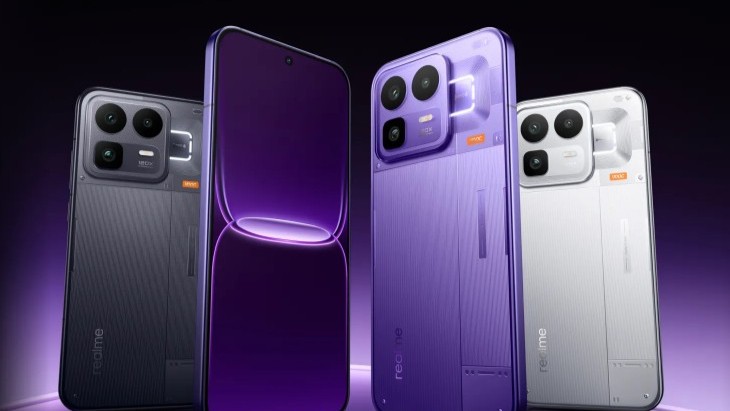
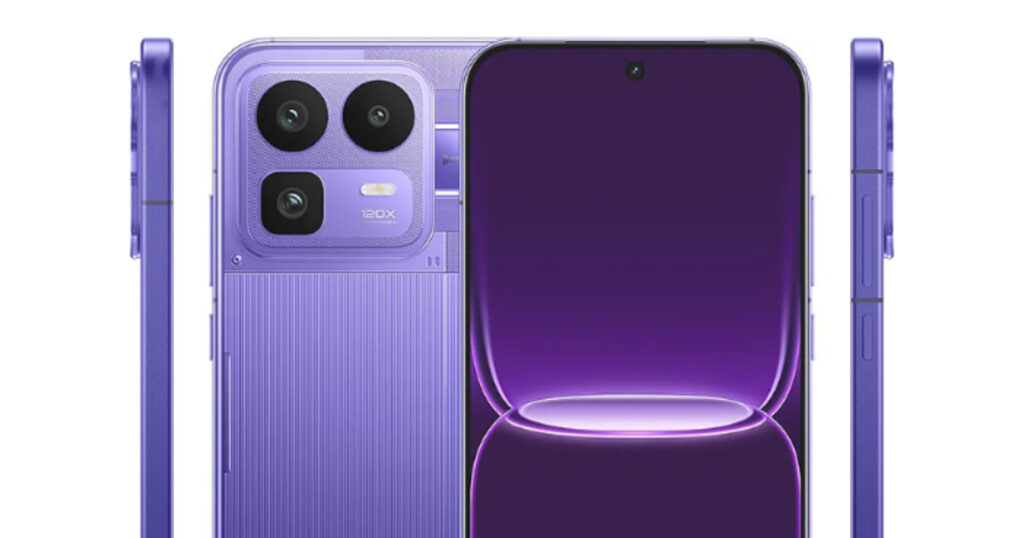
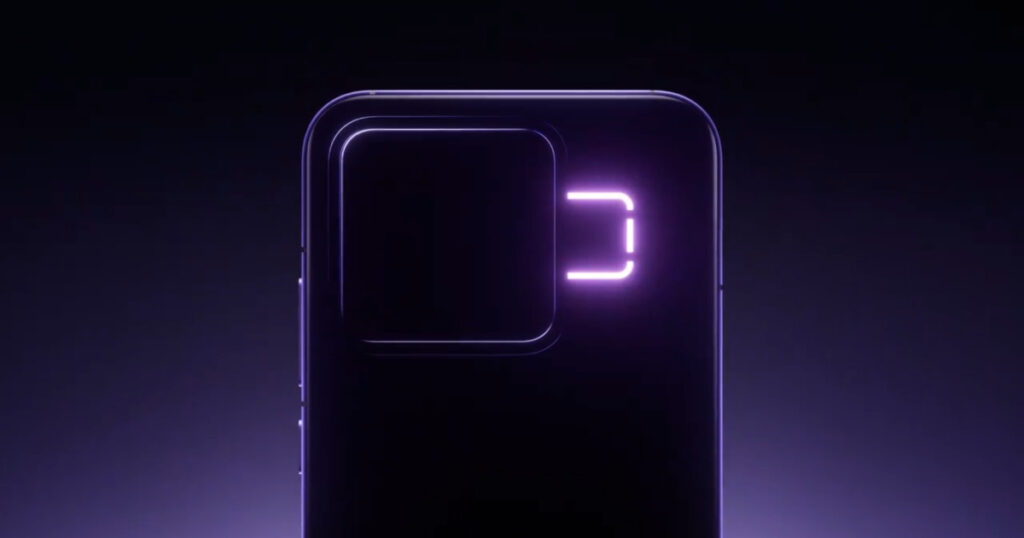
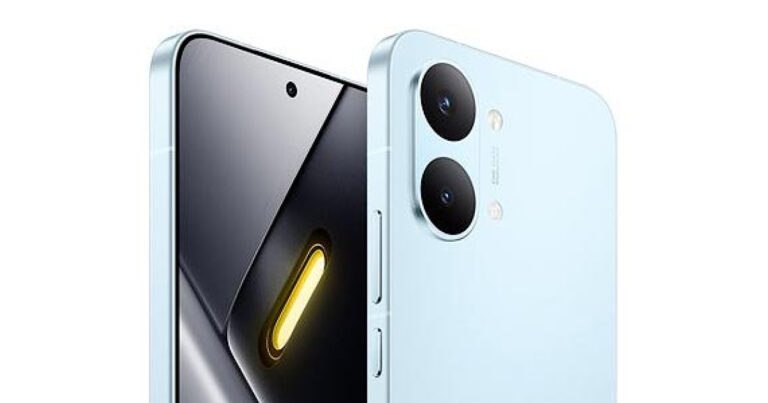
The Realme Neo8 measures 162mm tall, 77.1mm wide, and 8.3mm thick while weighing 215 grams, which makes it noticeably larger and heavier than mainstream flagships but remarkably restrained considering what’s inside. Realme used a glass front and glass back separated by an aluminum frame, and the back panel features a transparent design with RGB elements that Realme calls the Awakening Halo.
This isn’t subtle lighting like notification LEDs, this is full RGB illumination that can pulse with music, flash with notifications, and create gaming effects that sync with on-screen action. The transparent back uses what Realme describes as a 3D partitioning process that engraves eleven different textures at varying depths, creating light refraction effects that change depending on viewing angle.
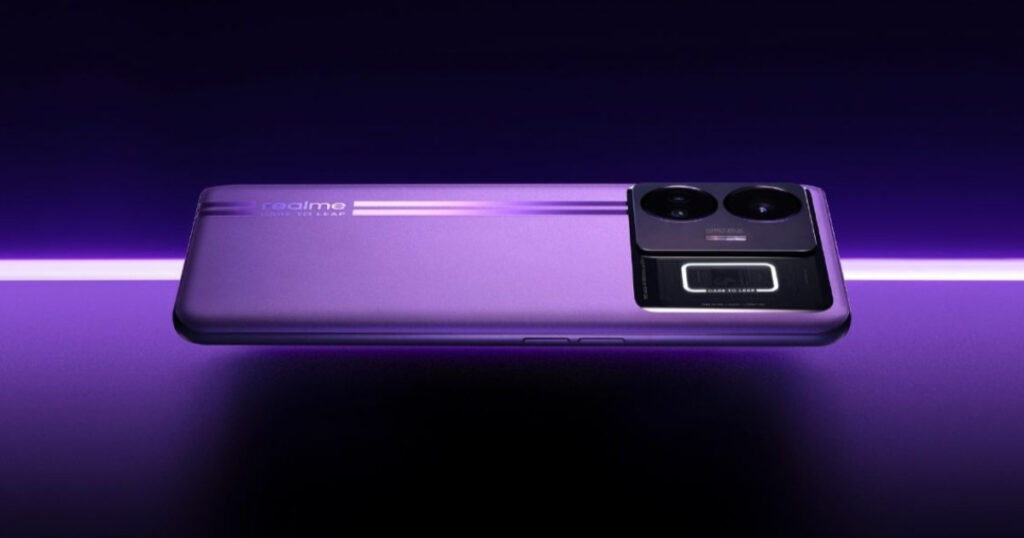
The phone comes in Cyber Purple, Origin White, and Mecha Gray colors, all of which embrace the gaming aesthetic rather than attempting mainstream elegance. The metal frame provides structural rigidity while contributing to heat dissipation, and the combination of glass and metal gives the phone a premium feel that belies its mid-premium pricing. The rear camera module protrudes slightly but isn’t egregious, and the overall design manages to look distinctive without being ostentatious.
The IP66, IP68, and IP69 protection represents genuine engineering achievement at this price point. IP66 means complete dust-tight protection and resistance to powerful water jets. IP68 means dust-tight protection and water resistance up to 2 meters for 72 hours, which exceeds most flagships that stop at 30 minutes. IP69 adds resistance to high-pressure high-temperature water jets, which matters if you work in environments with industrial cleaning equipment or if you’re the sort of person who rinses their phone under hot tap water.
Most phones compromise on water resistance to save costs or reduce thickness, but Realme included all three certifications, which suggests the Neo8 can survive conditions that would destroy most competing devices. The side-mounted ultrasonic fingerprint sensor integrated into the power button responds quickly and works reliably with wet or dirty fingers, which optical under-display sensors struggle with.
The phone includes an X-axis linear motor for precise haptic feedback, stereo speakers with what Realme claims are “super-linear” drivers, and an infrared port for controlling televisions and air conditioners.
The 6.78-inch display uses Samsung’s M14 LTPS AMOLED technology with 165Hz refresh rate, which represents a meaningful upgrade from the 120Hz or 144Hz panels found in most competing phones. The resolution of 1272 x 2772 pixels works out to 450 pixels per inch, making text and images genuinely sharp without pixel visibility even when holding the phone close. Realme claims peak brightness of 6500 nits, though this occurs only in small portions of the screen displaying HDR highlights.
The more meaningful figure is the global peak brightness of 1800 nits and typical maximum brightness of 1000 nits, which ensures excellent outdoor visibility even in direct sunlight. The display supports 100% DCI-P3 color gamut coverage, maintains color accuracy even at the extreme brightness of 3800 nits according to Realme’s claims, and includes full-brightness DC dimming that eliminates PWM flicker completely rather than just reducing its frequency.
The 3800Hz instantaneous touch sampling rate means the display responds to touches with minimal latency, which matters for competitive gaming where milliseconds determine victory or defeat.
The display includes what Realme calls Crystal Armor Glass protection, which appears to be their branding for a toughened glass that sits somewhere between Gorilla Glass 5 and Gorilla Glass Victus in terms of scratch and impact resistance. The 90% screen-to-body ratio means reasonably small bezels without going to extremes, and the flat display rather than curved edges makes screen protector installation easier while reducing accidental edge touches.
Realme includes active eye protection features that automatically adjust blue light filtering and brightness based on ambient conditions and usage patterns, hardware-level low blue light certification, and AI-assisted reminders to take breaks during extended viewing sessions. The combination of high refresh rate, excellent brightness, accurate colors, and comprehensive eye protection makes this one of the better displays available at this price point, and the 165Hz capability genuinely enhances gaming smoothness compared to 120Hz panels.
Surprisingly good camera for a gaming phone
The Realme Neo8 includes a triple rear camera setup consisting of a 50MP Sony IMX896 main sensor with f/1.8 aperture and optical image stabilization, a 50MP Samsung JN5 periscope telephoto with 3.5x optical zoom and OIS, and an 8MP ultrawide camera. The front camera uses a 16MP Sony sensor for selfies and video calls. Let’s address the elephant in the room first. This is a gaming-focused phone that happens to have decent cameras rather than a camera-focused phone that can game, and understanding that distinction is crucial to setting appropriate expectations.
The Sony IMX896 main sensor measures 1/1.56 inches diagonally with 1.0µm pixels, which places it in the upper tier of smartphone camera sensors but below the 1-inch and 1/1.28-inch sensors found in dedicated camera phones. In bright daylight, this camera produces detailed photos with accurate colors, good dynamic range, and plenty of resolution for cropping or printing. The f/1.8 aperture lets in adequate light, and the optical image stabilization helps with both photography and video by compensating for hand shake.
Realme’s image processing has improved significantly compared to previous generations, producing photos that look natural rather than oversaturated or oversharpened. In medium lighting conditions like indoor spaces with overhead lights or cloudy outdoor days, the camera maintains acceptable quality with some increase in noise and slight reduction in dynamic range.
In low light conditions like restaurants, evening scenes, or dimly lit interiors, the camera performs adequately but not exceptionally, producing usable photos with visible noise and reduced detail in shadow areas. The night mode helps by combining multiple exposures, but results still lag behind what Samsung, Google, or Apple achieve with more sophisticated computational photography.
The 50MP periscope telephoto camera is genuinely noteworthy because most phones at this price point include either no telephoto at all or a 2MP macro camera masquerading as a telephoto. This is a proper periscope design using the Samsung JN5 sensor with 3.5x optical zoom, 7x lossless zoom through sensor cropping, and up to 120x digital zoom that’s mostly useless beyond 20x. The 3.5x optical zoom provides genuine utility for capturing distant subjects without quality loss, and the 7x lossless zoom produces acceptable results for social media though not for printing.

Realme includes AI-assisted text recognition that sharpens text in photos of documents or signs, AI spatial recognition that corrects perspective distortion when photographing buildings, and automatic correction algorithms that straighten horizons and align verticals. The periscope telephoto includes its own optical image stabilization, which is rare at this price and helps produce sharp zoomed photos even when shooting handheld.
According to initial user reports and sample images shared by Realme Vice President Xu Qi Chase, the telephoto performs surprisingly well for a gaming phone, producing detailed zoomed shots that compete with phones costing significantly more.
The 8MP ultrawide camera is the weak link in the camera system, using a small sensor with limited dynamic range and mediocre detail. It serves its purpose for capturing wide scenes but produces noticeably lower quality than the main or telephoto cameras. The 16MP selfie camera is adequate for video calls and social media selfies, producing decent results in good lighting but struggling in challenging conditions.
The camera can record 4K video at 30fps or 60fps from both rear and front cameras, 1080p video up to 120fps for slow motion, and includes gyro-EIS working alongside optical image stabilization to produce smooth handheld footage. Realme added Live Photo functionality that captures short video clips around still photos, direct output of 8K ultra-high-resolution photos from the main camera, and new tone mode presets for different shooting scenarios.
The reality is that photography enthusiasts focused on camera quality should look at phones like the Vivo X300 series, Xiaomi 17 Pro, or Samsung Galaxy S25 that prioritize camera hardware and image processing. But for a gaming phone costing ₹29,600, the Neo8’s camera system is surprisingly capable, and the inclusion of a proper periscope telephoto elevates it above most gaming-focused competitors that treat cameras as an afterthought.
Processor and Gaming Performance
The Snapdragon 8 Gen 5 processor represents Qualcomm’s latest flagship chipset built on a 3nm process using third-generation Oryon cores. The chip features two Phoenix L performance cores running at 3.8 GHz and six Phoenix M efficiency cores at 3.32 GHz, paired with the Adreno 829 GPU. According to AnTuTu 10 benchmark results, the Neo8 scores approximately 3.58 to 3.85 million points depending on thermal conditions and test methodology, placing it among the fastest Android phones available in early 2026.
This represents roughly 20 to 25 percent better performance than the Snapdragon 8 Gen 3 that powered 2024 flagships, with particular improvements in GPU performance and AI processing capability.
Realme paired the Snapdragon 8 Gen 5 with LPDDR5X RAM running at 9600 Mbps and UFS 4.1 storage, both representing current-generation memory technologies that maximize performance. The phone comes in configurations ranging from 12GB RAM with 256GB storage up to 16GB RAM with 1TB storage, giving buyers flexibility based on budget and usage needs.
The 12GB RAM configuration handles heavy multitasking and gaming without issues, while the 16GB option provides additional headroom for power users who run many apps simultaneously or want maximum future-proofing. The UFS 4.1 storage delivers sequential read speeds around 4200 MB/s and write speeds around 2000 MB/s, making app loading, game level loading, and file transfers noticeably faster than phones using older UFS 3.1 technology.
But specifications alone don’t determine gaming performance. Realme included what they call the GT Performance Engine, which combines software optimization with thermal management to maintain consistent performance during extended gaming sessions. The phone features a large vapor chamber cooling system measuring 7000 square millimeters plus additional graphite sheets and thermal paste for a total dissipation area exceeding 39,000 square millimeters.
This extensive cooling allows the Snapdragon 8 Gen 5 to maintain high clock speeds longer before thermal throttling reduces performance to prevent overheating. Real-world testing reported by gaming enthusiasts shows the Neo8 maintaining 165 fps in supported mobile games like Call of Duty Mobile for extended periods, delivering stable 120 fps in demanding titles like Genshin Impact at high settings, and handling other popular games like BGMI, Free Fire, and various MOBA titles at maximum settings without stuttering or significant frame drops.
Realme introduced a next-generation performance panel that allows users to customize temperature control across five levels and manually adjust CPU and GPU frequencies without requiring root access. Users who prioritize sustained performance can increase the temperature limit, allowing the processor to run hotter and maintain higher clock speeds for longer before throttling. Users who prioritize device longevity and battery life can reduce the temperature limit, causing earlier throttling but extending component lifespan and preserving battery capacity.
This level of user control is unusual in consumer smartphones and demonstrates Realme’s commitment to satisfying enthusiast gamers who understand performance trade-offs. The phone supports native 165Hz refresh rate in over 30 popular games covering five major categories, and Realme worked with game developers to optimize performance specifically for the Neo8’s hardware combination.
The PC Handheld Mode represents Realme’s most ambitious gaming feature, allowing the Neo8 to run over 50 verified PC games locally through built-in emulation. Users can log into their Steam accounts, synchronize cloud saves, and play compatible PC titles including the Tomb Raider series, Sekiro, Hollow Knight Silksong, and Dave the Diver directly on the phone without requiring streaming or cloud gaming services. This works even with poor network conditions because games run locally on the phone’s hardware, though obviously mobile-optimized versions rather than full PC builds.
The feature targets users who want console-like gaming experiences without carrying separate devices, though the game library remains limited and performance depends heavily on the specific title. Realme also included AI Expert Assistance that provides automatic item pickup in open-world games, shooting assistance in FPS games with enemy highlighting and aim assist, and summoner skill countdown timers in MOBA games.
For non-gaming performance, the Snapdragon 8 Gen 5 handles every task instantly. Apps open immediately, multitasking is smooth even with dozens of apps running in the background, photo and video editing proceeds quickly, and AI-powered features like voice transcription and image recognition work nearly instantaneously. The phone includes Realme’s Sky Signal Chip S1 for improved cellular connectivity in areas with weak signal, Wi-Fi 7 support for maximum wireless speeds on compatible routers, and Bluetooth 6.0 for improved range and battery efficiency with wireless accessories.
Connectivity options and Battery Life
The battery is why this phone exists. The 8000mAh Silicon-Carbon battery uses 16% silicon content, which Realme claims provides 3% better energy density compared to the 7000mAh battery in the predecessor Neo7. But percentages don’t capture the reality of daily use, so let’s discuss what 8000mAh actually means in practice.
According to Realme’s testing, the Neo8 delivers 7.7 hours of continuous gaming at high brightness and performance settings, over 20 hours of video playback, and multiple days of normal mixed usage including social media, messaging, web browsing, and occasional photography. Real-world reports from early adopters confirm these claims, with users reporting 40 to 50 percent battery remaining after a full day of heavy use including hours of gaming, video streaming, and camera usage.
The 80W SuperVOOC fast charging reaches 50% capacity in approximately 15 to 18 minutes and full charge in around 28 to 30 minutes according to user testing, though these figures vary based on battery temperature and starting charge level. Realme included bypass charging technology that routes power directly to the phone’s components when gaming while plugged in, reducing heat generation and battery wear by preventing simultaneous charging and discharging.
The phone supports multiple charging standards including 80W and 44W UFCS, 55W PPS, 13.5W PD, and QC at lower wattages, ensuring compatibility with various third-party chargers though obviously at reduced speeds compared to Realme’s proprietary 80W charger. There’s no wireless charging, which at this price point and with this battery capacity is a reasonable omission because wireless charging would add cost, increase thickness, and provide limited benefit when wired charging reaches 50% in fifteen minutes.
The practical reality of an 8000mAh battery fundamentally changes smartphone ownership. Most people charge their phones every night out of habit, but with the Neo8, you’ll find yourself checking the battery percentage before bed, seeing 65% remaining, and deciding you’ll charge it tomorrow. Except tomorrow it’s still at 40% so you wait another day. This phone can genuinely last three to four days of moderate use or two full days of heavy use, which eliminates battery anxiety entirely.
You stop thinking about where chargers are located, stop carrying power banks, and stop planning your daily activities around charging opportunities. That psychological shift is worth more than specifications suggest, and it’s the primary reason to buy this phone over competitors with faster processors or better cameras but conventional battery capacities.
The connectivity features include 5G support for SA/NSA networks with comprehensive band coverage, dual-SIM capability with two nano-SIM slots, NFC for contactless payments, infrared remote control functionality, GPS with L1+L5 dual-frequency positioning plus support for BeiDou, Galileo, QZSS, and GLONASS satellite systems. The phone includes an ultrasonic 3D fingerprint sensor rather than optical, which works better with wet fingers and provides faster, more reliable unlocking.
Hi-Res audio support with 24-bit/192kHz capability over both wired USB-C and wireless Bluetooth means high-quality headphones sound as good as they possibly can. The stereo speakers get reasonably loud and produce clear audio for watching videos or casual music listening, though they lack the bass depth and audio separation of phones with larger speaker chambers.
Software package and overall user experience
The Realme Neo8 runs Android 16 with Realme UI 7.0, giving users the latest Google software paired with Realme’s customization layer. Android 16 includes improved privacy controls, better notification management, enhanced multitasking features, and various under-the-hood performance optimizations that benefit every app. Realme UI 7.0 adds extensive customization options including themes, icon packs, always-on display designs, and numerous settings for controlling animations, transitions, and visual effects.
The interface is heavily customized compared to stock Android, which some users appreciate for the flexibility and others find cluttered compared to simpler implementations from Google or Motorola.
Realme includes various pre-installed apps that generate revenue through advertising or partnerships, and users will need to spend time uninstalling or disabling apps they don’t want. The aggressive battery optimization that helps achieve the impressive battery life also means apps get killed in the background unless specifically whitelisted, which can be annoying for messaging apps, music players, or other services users want running continuously.
Users need to spend time configuring battery management settings to whitelist important apps, but once properly configured, the system works well. Realme hasn’t announced the update commitment for the Neo8, but based on their track record with previous flagships, expect two to three major Android updates and security patches for three to four years, which is adequate but not class-leading compared to Samsung or Google’s longer commitments.

The gaming-focused features integrated throughout the software include Game Space that consolidates all installed games in one launcher, blocks notifications during gameplay, and provides quick access to performance settings. The customizable performance panel lets gamers adjust CPU and GPU frequencies, temperature limits, and power profiles directly from the notification shade.
The RGB lighting ring on the back integrates with games to provide visual feedback for hits, kills, cooldowns, and other in-game events. The PC Mode launches through a dedicated app that handles Steam integration, game installation, controller pairing, and performance optimization automatically.
AI Expert Assistance works through accessibility services to provide in-game advantages like automatic item pickup, enemy highlighting, and skill cooldown tracking, though whether these features constitute legitimate assistance or unfair advantages depends on your perspective and the specific game’s terms of service.
Is the Realme Neo8 the smartphone for you?
The Realme Neo8 makes sense for a specific type of buyer with clear priorities. This phone is for mobile gamers who want flagship performance without paying flagship prices and refuse to compromise on battery life. It’s for people who spend hours gaming, streaming, and using their phones heavily every day and are tired of battery anxiety. It’s for users who want the latest Snapdragon processor and the fastest memory technologies but can accept adequate rather than exceptional camera performance.
It’s for buyers who appreciate practical features like IP69 water resistance, infrared remote, and NFC more than luxury features like wireless charging or premium materials. It’s for enthusiasts who want manual control over performance settings and don’t mind spending time configuring software to work optimally. And it’s for people who value function over form and prefer gaming aesthetics to mainstream elegance.
The Realme Neo8 does not make sense for photography enthusiasts who need consistently excellent photos in various lighting conditions, because the camera hardware and image processing don’t match dedicated camera phones despite being surprisingly good for a gaming device. It doesn’t make sense for people who want the slimmest, lightest phone possible, because 8.3mm and 215 grams is noticeably thicker and heavier than mainstream flagships.
It doesn’t make sense for users who prefer stock Android or minimal software customization, because Realme UI 7.0 is heavily modified with numerous added features that some people find valuable and others find cluttered. It doesn’t make sense for buyers who expect long software support commitments matching Samsung or Google, because Realme’s update track record is adequate but not exceptional. Additionally, it doesn’t make sense for people who prioritize brand prestige or resale value, because Realme lacks the mainstream recognition of Samsung, Apple, or even OnePlus in many markets.
The competition at ₹29,600 includes phones like the iQOO Z11 Turbo that costs ₹31,500 with similar Snapdragon 8 Gen 5 performance but smaller 7600mAh battery, the Poco F7 Ultra with comparable specifications but different design priorities, various options from Redmi and Realme’s own GT series that balance features differently, and the previous-generation flagships from mainstream brands that offer better cameras and brand recognition but older processors and smaller batteries.
The Neo8 represents the absolute peak of the battery capacity arms race while maintaining competitive specifications elsewhere, making it the obvious choice for buyers who prioritize battery endurance above all other considerations but a curious option for everyone else who might prefer more balanced hardware.
TattwaTech Score
8.5 Out Of 10.
The Realme Neo8 succeeds spectacularly at its primary objective of combining flagship gaming performance with unprecedented battery endurance at a competitive price point. The 8000mAh battery fundamentally changes the ownership experience by eliminating daily charging routines, the Snapdragon 8 Gen 5 handles every task and game effortlessly, and the surprisingly capable camera system prevents photography from being a complete compromise.
The phone makes sense for mobile gamers, heavy users, and anyone prioritizing battery life over all other considerations. It makes less sense for mainstream users who want balanced capabilities, exceptional cameras, or slim designs. Buy it if gaming performance and multiple-day battery life match your priorities. Skip it if you need the absolute best camera, prefer mainstream flagship brands, or want the slimmest phone possible.
But understand that what Realme has achieved here is genuinely impressive, and the Neo8 represents the direction mid-premium phones are heading as manufacturers recognize that battery anxiety remains one of smartphones’ most persistent problems.




[…] people expected Samsung to mix things up this year. Rumors pointed to a Galaxy S26 Pro, which would have been an upgraded entry-level model with better cameras and a price higher than […]
[…] we have the arrival of the Realme p4 power. In what seems like a playful move to one-up its rival, Realme has equipped this new model with a 10,001 mAh battery. That single extra milliamp hour allows it to officially claim the title of the largest battery in […]