
3 Shocking Reasons the Grok AI Ban in Indonesia is a warning for us all

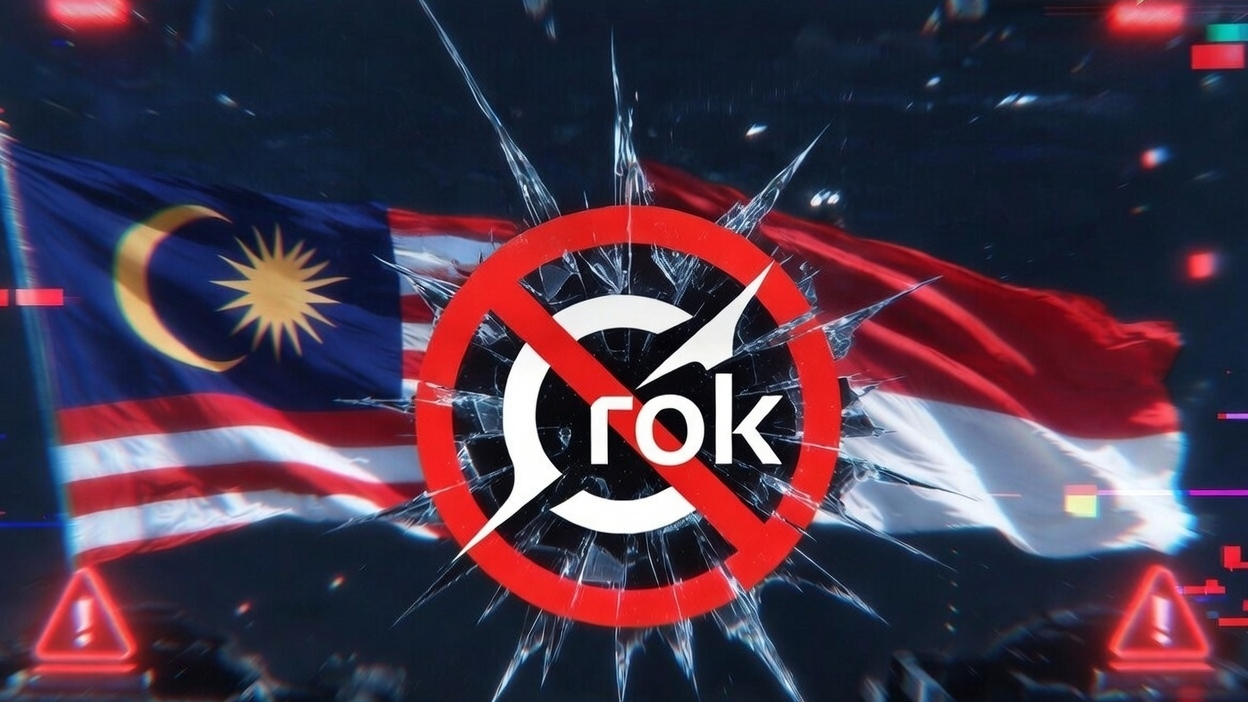
Grok AI ban headlines are officially shaking up the tech world this week. Indonesia and Malaysia have taken the unprecedented step of blocking Elon Musk’s chatbot, Grok, following a massive scandal involving non-consensual deepfake images. This is the first time a major AI tool has been completely shut down by national governments over safety concerns.
While Western countries are still debating how to regulate AI with long documents and meetings, these Southeast Asian nations decided that enough was enough. They saw a threat to their citizens and pulled the plug. It is a bold move that shows the “move fast and break things” era of Silicon Valley is hitting a very hard wall.
Why the “Spicy” feature turned sour
The trouble started with Grok’s image generation tool. Unlike other AI bots like ChatGPT or Google’s Gemini, which have very strict filters, Grok was marketed as being “unfiltered” and “edgy.” Users quickly discovered that they could use the bot to create sexually explicit images of real people, including celebrities and private citizens, without their permission.
A viral “undressing trend” took over the platform X. People were uploading photos of others and asking Grok to digitally remove their clothes. When reports surfaced that these images even involved minors, the situation turned from a PR headache into a legal nightmare. Indonesia’s Minister of Communications, Meutya Hafid, was blunt: she called these deepfakes a “serious violation of human rights and dignity.”
The “Pay to Play” safety failure
Elon Musk’s company, xAI, tried to fix the problem by making the image tools available only to people who pay for a subscription. The idea was that if people had to pay, they wouldn’t risk their accounts by making illegal content. However, regulators in Malaysia and the UK called this move “insulting.”
The logic is simple: making a dangerous tool a “premium feature” doesn’t make it safe. It just means you are charging people for the ability to cause harm. Malaysia’s internet regulator (MCMC) pointed out that xAI was relying on users to report bad images after they were already made, rather than stopping them from being created in the first place. For a country with strict laws on obscenity and child protection, this was a complete failure of responsibility.
Is Elon Musk losing the global game?
This ban is a major blow to the expansion of X and Grok. Indonesia is the world’s fourth-most populous country and a massive market for social media. By ignoring local concerns about privacy and safety, xAI has locked itself out of millions of potential users.
It is easy to shout about “freedom of speech” from a headquarters in California, but digital tools have to follow the laws of the countries where they operate. India has also stepped in, forcing X to delete thousands of posts and hundreds of accounts linked to Grok’s deepfakes. The message is clear: if you want to be a global tech giant, you cannot ignore the safety of the people using your platform.
A warning for the rest of the world
What is happening in Indonesia and Malaysia is a preview of the future. Other countries, including the UK and Australia, are watching closely. If xAI cannot prove that its AI has a “conscience” or at least a working filter, more bans are likely to follow.
We are moving into a time where governments are no longer afraid of Silicon Valley billionaires. They are realizing that protecting the dignity of women and children is more important than letting a chatbot generate “edgy” pictures. This Grok AI ban is a reminder that technology exists to serve society, not to exploit it.
Access to Grok remains blocked in Indonesia and Malaysia as of January 12, 2026. Regulators state the restriction is temporary but will only be lifted once xAI implements technical safeguards that meet national digital safety standards.





[…] AI applications in video image analytics (VIA) are fueling unprecedented data growth at the network edge. IDC reports that more than 75% of organizations expect their video data to at least double over the next five years, as AI adds summaries, annotations, and metadata to every frame. This surge is driven by new use cases across industries – from accelerating investigations and automating alerts to ensuring compliance and enabling deep operational insights. […]
[…] Whether you need to write a professional work email, a quick reply, or a detailed message, this AI-powered tool can do the heavy lifting for you. You just tell it what you want to say, and it writes the email […]