
Apple is working on RCS encryption for messages sent between iPhone and Android smartphones

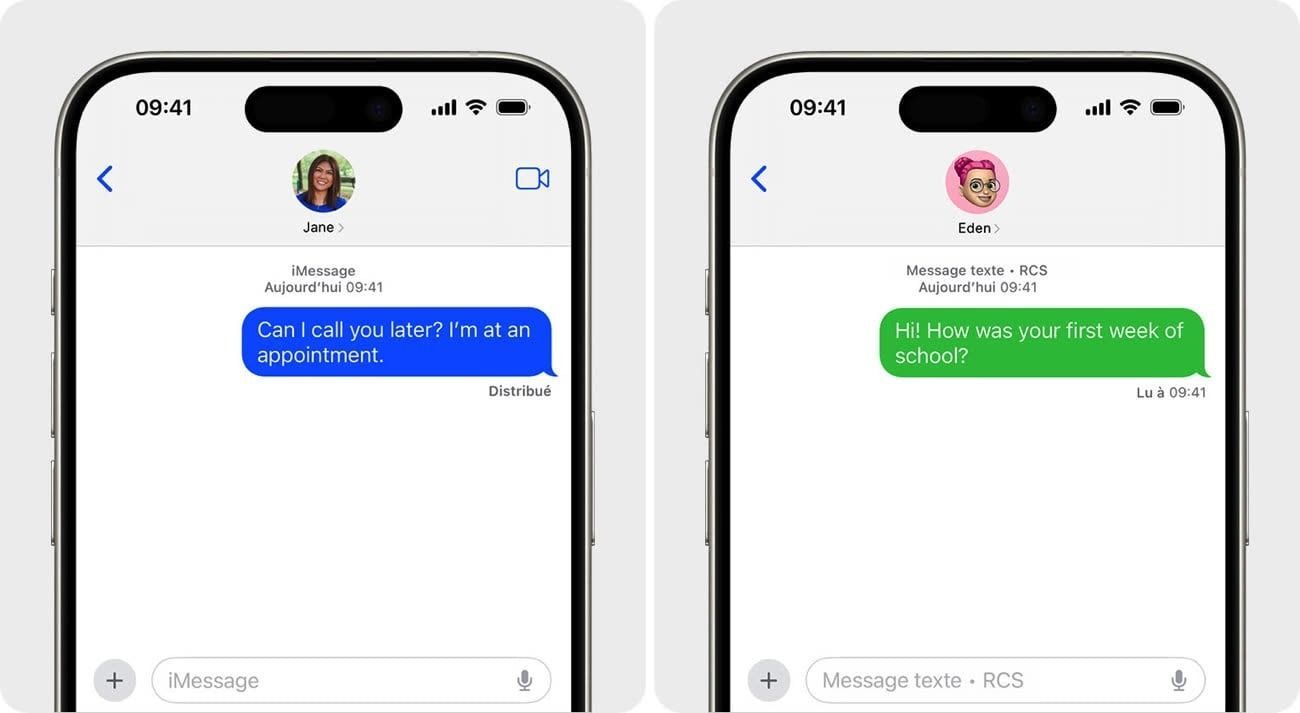
The messaging divide between iPhones and Android phones has been a pain point for years. When someone with an iPhone texts someone on Android, the messages go through old SMS and MMS protocols that offer basically no security or modern features. Apple added RCS support with iOS 18, which helped with things like high quality photos and better group chats, but there was still one major problem. The messages were not encrypted. Finally, all of this, is about to change.
What is Apple cooking right now?
Apple has started working on end-to-end encryption for RCS messages, and early signs of this showed up in iOS 26.3 Beta 2. Developers digging through the beta release found parts of the user interface that will show people whether their messages are encrypted and let them adjust encryption settings. The feature is not actually working yet in the beta, but the groundwork is being laid for it to arrive soon.
This development matters because it means iPhone users and Android users will finally be able to send each other encrypted messages without needing to download a third party app like Signal or WhatsApp. Your texts, photos, videos, and any other files you send will be protected so that only you and the person you are messaging can read them. Not even your carrier or Apple or Google will be able to see what you are saying.
Why did this concept take so long?
The delay makes a bit more sense when you understand the history. Google added encryption to RCS messages years ago, but they built their own system that was specific to Google’s implementation. Apple was not about to adopt a Google only standard, which is reasonable from a technical perspective even if it frustrated users. The company waited until the GSM Association, which is the organization that sets mobile industry standards, published an official encryption standard as part of RCS Universal Profile 3.0.
That official standard came out almost a year ago in early 2025. So why has it taken Apple this long to start implementing it? The company has not given any public explanation. They simply work at their own pace, and encryption for cross platform messaging apparently was not at the top of the priority list. Whether that was a technical decision or a strategic one to keep iMessage looking better in comparison, nobody outside Apple really knows.
When will this feature actually hit users?
The encryption could arrive with the stable release of iOS 26.3, which would likely come out in the next few months. But it could also get pushed back to iOS 27, which would not arrive until later this year. Apple has not made any official statements about when they plan to finish the feature or roll it out to everyone. The fact that it is showing up in beta releases now is a good sign that Apple is actively working on it, but there is no guarantee about timing.
Once it does arrive, the feature will protect not just your text messages but also any files you send through RCS. Photos, videos, documents, and anything else will all be encrypted. This works in group chats as well, which is important since group messaging between iPhone and Android users has been particularly messy.
Is there anything that will join this new feature rollout?
End-to-end encryption is the headline feature, but RCS Universal Profile 3.0 brings a bunch of other improvements that will make messaging between platforms feel more modern. You will be able to reply directly to specific messages in a conversation, similar to how you can already do that in iMessage or WhatsApp. You will be able to edit messages after you send them, assuming you catch your mistake quickly enough. There is also an unsend feature that lets you delete messages within a limited time window.
Tapback support is another change that people will notice. Right now when an iPhone user reacts to an Android user’s message with a heart or thumbs up, it shows up as a separate text message saying something like “Liked message.” With proper Tapback support built into the RCS standard, those reactions will display correctly as emoji reactions attached to the specific message, just like they do in iMessage conversations between iPhone users.
Apple is nearing end-to-end encryption for RCS. The iOS 26.3 beta shows carrier settings to enable or disable E2EE, likely to display encryption status required by GSMA when local laws limit use. E2EE was introduced in RCS Universal Profile 3.0 in March 2025, with Apple planning… pic.twitter.com/F93NNnWbTz
— Marius Fanu (@mariusfanu) January 13, 2026
There is already a new standard in the market
Technology standards move fast. The GSM Association has already published RCS Universal Profile 3.1, which includes even more improvements. The new version adds support for a better audio codec called xHE-AAC, which will make voice messages sound clearer. There is spam reporting built in, so you can flag unwanted messages more easily. File transfer security gets improvements, and the protocol handles spotty network connections better so your messages are more likely to go through even when your signal is weak.
Whether Apple adopts 3.1 right away or sticks with 3.0 for a while remains to be seen. The company tends to implement standards cautiously, making sure everything works properly before moving on to the next version. Given how long it has taken them just to work on 3.0, jumping straight to 3.1 seems unlikely.
What can you do while you wait for this RCS rollout?
If you need encrypted messaging between iPhone and Android right now, your best option is still to use a third party app. WhatsApp, Signal, and iMessage all offer end-to-end encryption today, though iMessage only works between Apple devices. WhatsApp is probably the most universal option since it works on basically every smartphone and has billions of users worldwide. Signal offers the strongest privacy protections if that is your main concern.
Once Apple finishes implementing RCS encryption, you will be able to gradually shift back to using your phone’s default messaging app for those conversations. The transition should be seamless since RCS is designed to fall back to SMS when needed, though obviously you lose the encryption and features when that happens.
For now, keep an eye on iOS updates over the coming months. When iOS 26.3 rolls out, check whether the RCS encryption feature is included or if it gets pushed to a later release. Apple usually lists major new features in their update notes, so it should be clear when the functionality becomes available. Until then, the waiting game continues for anyone who wants truly secure messaging between Apple and Android devices without relying on third party apps.




[…] to combine satellite communication with smartwatch functionality in a marine-focused package. Apple’s satellite SOS feature on iPhone 14 and newer models provides emergency communication but lacks the two-way messaging and […]
[…] brand used to be known as a flagship killer, offering high end specs at more affordable prices than Samsung or Apple. But over time, OnePlus phones got more expensive, the competition got fiercer, and the unique […]
[…] year’s WWDC 2026 had more riding on it than most. It was Tim Cook’s last keynote as CEO. After two years of Apple Intelligence announcements that delivered considerably less than they […]