
READ THIS before you buy the iQOO Z11 Turbo

Now, I know what you’re thinking. You’re thinking that for ₹31,500, you’re going to get some sort of compromised device with a slow processor, a terrible camera, and battery life measured in hours rather than days. You’re expecting plastic that creaks when you hold it, a screen that looks like it came from 2018, and software that stutters every time you try to do something remotely demanding. But here’s the thing.
The iQOO Z11 Turbo costs around ₹31,500, and for that money, you’re getting Qualcomm’s Snapdragon 8 Gen 5 processor, which is their latest “affordable flagship” chip, a 7600mAh battery that’s bigger than most people’s power banks, a 144Hz AMOLED display that’s brighter than the surface of the sun, and a 200MP camera. Which sounds completely mad until you actually understand what Chinese phone manufacturers have been doing while everyone else was busy adding another camera lens that nobody asked for.
Punchy performance with a focus on gaming and multitasking
The Snapdragon 8 Gen 5 uses Qualcomm’s third-generation Oryon cores built on a 3nm process, which sounds terribly technical and boring until you realize what this actually means in practice. The chip runs at 3.8 GHz on the main cores instead of the 4.6 GHz you get on the full Snapdragon 8 Elite Gen 5, and before you start thinking that sounds like a downgrade, let me explain why running at lower frequencies is actually rather clever. By running at 3.8 GHz instead of 4.6 GHz, the chip achieves around 2.89 million points on AnTuTu benchmarks while generating significantly less heat than the flagship Elite version that costs twice as much.
What this means in the real world is that you can play Genshin Impact at 120 FPS with frame interpolation turned on, and the phone doesn’t turn into a portable radiator that makes your hands uncomfortable after ten minutes. You can run Call of Duty Mobile and BGMI at 165 FPS, which is more frames per second than your eyes can actually process, and the phone remains cool enough that you can comfortably hold it for hours. For everyday tasks like browsing Instagram, watching YouTube videos, and having seventeen browser tabs open while simultaneously running six different messaging apps, this processor is complete overkill in the best possible way.
Storage enough to store your memories for years to come
But here’s where the iQOO Z11 Turbo becomes genuinely interesting rather than just another fast phone. You’re getting 12GB or 16GB of RAM with UFS 4.1 storage, which is exactly the same memory hardware you’d find in phones costing ₹60,000 or ₹70,000. Most manufacturers, when they’re building a phone at this price point, will stick in slower UFS 3.1 storage to save money, which means your apps take longer to load and your photos take longer to save and everything feels just a bit sluggish compared to more expensive phones.
But Vivo has decided to use proper flagship-level storage, which means the phone feels fast not just when you first get it, but still feels fast two years later when you’ve filled it with thousands of photos and hundreds of apps. Storage options go from 256GB all the way up to 1TB, though I suspect the 1TB version exists mainly so Vivo can put “up to 1TB storage” on the spec sheet rather than something you’ll actually find in shops. Most people will be perfectly happy with 512GB, which gives you enough space for your entire photo library, every app you could possibly want, and several seasons of downloaded Netflix shows without having to constantly delete things to free up space.

Super-crazy battery that is just paisa-wasool
Now, the battery. And this is where things become genuinely ridiculous in a way that makes you wonder what everyone else has been doing for the past five years. The iQOO Z11 Turbo has a 7600mAh Silicon-Carbon battery in a phone that weighs 202 grams and measures 7.9mm thick. To put this in perspective, the iPhone 16 Pro has a 3582mAh battery and is 8.25mm thick. The Samsung Galaxy S24 has a 4000mAh battery and is 7.6mm thick. Most Android phones have settled on around 5000mAh as the standard battery capacity, and they’ll last you a full day if you’re careful about how you use them.
The iQOO Z11 Turbo has 7600mAh, which is fifty-two percent more battery than most flagship phones, and somehow Vivo has managed to fit all of this into a phone that’s thinner than most of its competitors. You’re looking at two full days of heavy use, three days if you’re using it moderately, and possibly four days if you’re just checking messages and making the occasional phone call. Most people charge their phones every night out of habit, like brushing your teeth or locking the front door, but with this phone you’ll find yourself looking at the battery percentage before bed, seeing it’s still at sixty percent, and deciding you’ll charge it tomorrow except tomorrow it’s still at thirty percent and you start wondering if the battery indicator is actually broken.
The 100W fast charging means that even when you do finally manage to run the battery down completely, you’re not standing around waiting for it to charge while you’re trying to leave the house. You’ll get a full charge in under an hour, which means you can plug it in while you’re having breakfast and it’ll be fully charged by the time you’ve finished your coffee. There’s no wireless charging, and normally this is where I’d complain about manufacturers leaving out features, but when you’ve got a 7600mAh battery that lasts for days, wireless charging becomes one of those features that sounds nice but you never actually use.
Would you rather have wireless charging that adds ₹10,000 to the price and makes the phone thicker, or would you rather have a battery so large that you barely need to charge it anyway? Because those are your options, and Vivo has made what I think is the sensible choice.
Sensible design and a display that ticks the boxes
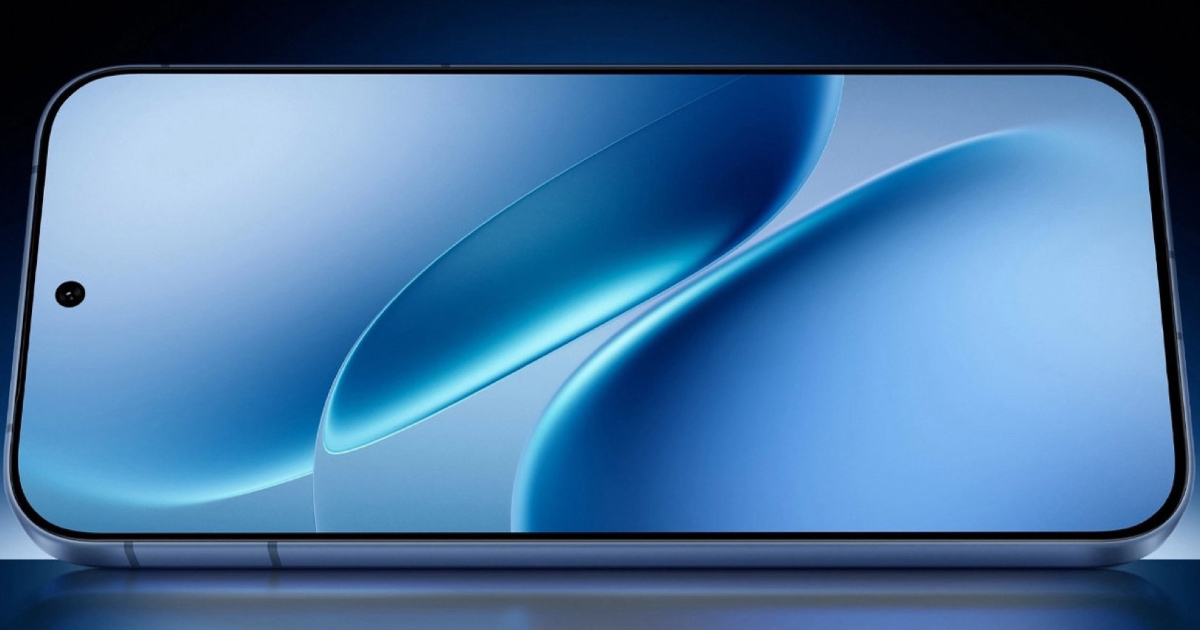
The display is a 6.59-inch AMOLED panel that runs at 144Hz, which is higher than most phones and makes scrolling through social media feel incredibly smooth in a way that’s difficult to explain until you’ve actually experienced it. The resolution works out to 466 pixels per inch, which is sharp enough that you can’t see individual pixels unless you’re holding the phone uncomfortably close to your face and deliberately looking for them. The screen supports 1 billion colors, HDR for when you’re watching Netflix or YouTube, 4320Hz PWM dimming to reduce eye strain if you’re sensitive to screen flicker, and a peak brightness of 5500 nits.
That brightness figure actually matters in practice rather than just being another number to stick on the marketing materials. You can see the screen clearly in direct sunlight, which sounds like the most basic requirement possible but you’d be surprised how many expensive phones fail at this simple task. You know that frustrating moment when you’re trying to take a photo outdoors and you can barely see what’s on the screen so you’re just pointing the camera vaguely in the right direction and hoping for the best?
This phone doesn’t have that problem. The 4320Hz PWM dimming is worth mentioning because if you’re someone who gets headaches from phone screens, this higher frequency dimming is significantly easier on your eyes than the 240Hz or 480Hz PWM you find on cheaper displays that use slower dimming frequencies that some people can perceive as flicker.
Let’s talk about the camera
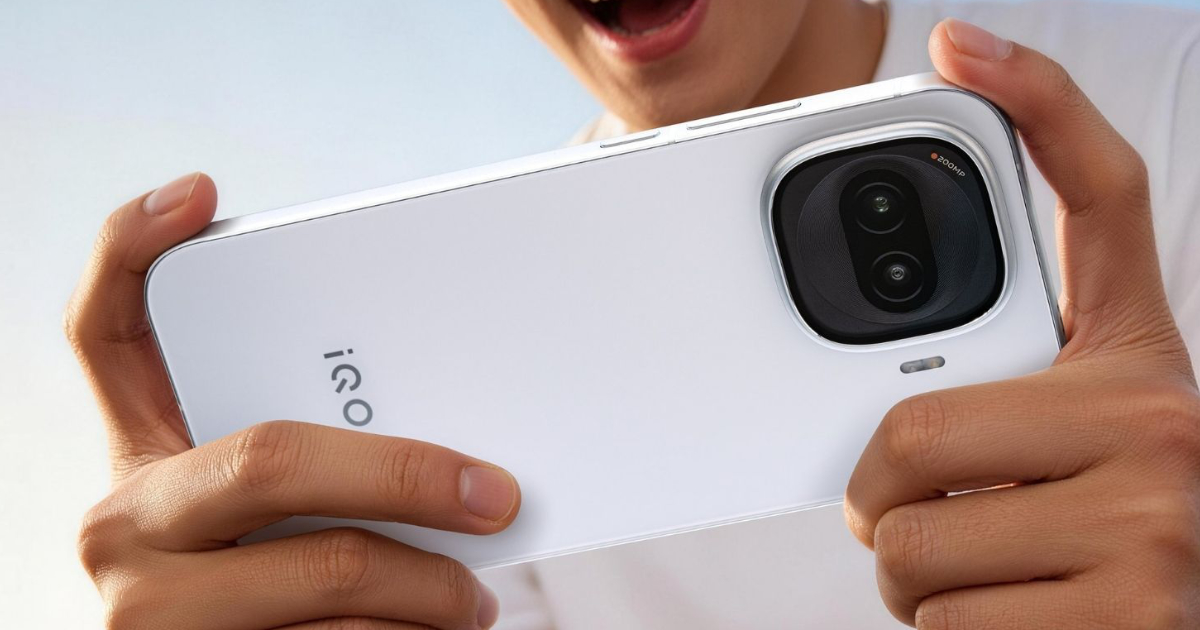
The camera situation requires an honest conversation about expectations and reality. There’s a 200MP main sensor with f/1.9 aperture, 1/1.56 inch sensor size, PDAF, and optical image stabilization. The specifications say “Dual” camera, but only one camera is actually listed with any detail, which tells you everything you need to know about the second sensor. The 200MP number sounds impressive until you understand how modern phone cameras actually work. The sensor uses pixel binning technology, which combines multiple pixels together to create one larger, more light-sensitive pixel.
In most lighting conditions, the camera bins down to 50MP or even 12.5MP photos rather than giving you the full 200 megapixels. What you actually get is good detail in bright daylight, acceptable quality in indoor lighting, and better low-light performance than you’d expect from a phone at this price because those binned pixels can gather more light than smaller sensors manage. The optical image stabilization helps with both photos and video by compensating for the natural shake of your hands, which is particularly useful when you’re taking photos in dim lighting or recording video while walking around. You can shoot 4K video with both gyro-EIS and OIS working together, which produces smooth, stable footage even if you’re moving while recording.
The 32MP selfie camera is perfectly adequate for video calls and the occasional selfie for Instagram. Some manufacturers would have put in a 50MP or even 100MP front camera just for the marketing value, but 32MP is actually sensible because higher resolution selfie cameras just produce larger files without making you look any better. Let me be completely clear about what you’re getting here because I don’t want anyone buying this phone with unrealistic expectations about the camera.
This phone takes good photos. Not excellent photos, not award-winning photos, just good photos that you’ll be perfectly happy posting on social media and showing to your friends. If photography is genuinely important to you and you want the absolute best image quality possible, you should be looking at phones like the Vivo X300 series that have larger sensors, better lenses, and more sophisticated image processing. But if you want a phone that takes perfectly acceptable photos while excelling at everything else, then the iQOO Z11 Turbo makes complete sense.
Build quality and connectivity options
The build quality involves some thoughtful choices that make sense when you understand the price point. You get either a glass back or a fiber-reinforced plastic back depending on which color you choose, and the frame is aluminum alloy rather than plastic. The IP68/IP69 rating means the phone is completely dust-tight and can survive being submerged in up to 1.5 meters of water for thirty minutes. The IP69 part means it can also withstand high-pressure water jets, which is a certification that’s more common on industrial equipment than consumer electronics.
What this means in practice is that you can rinse the phone under a tap if it gets dirty, use it in the rain without worry, and if you drop it in a sink or shallow water, you can fish it out without panic. At 202 grams, the phone isn’t particularly light, but that’s the inevitable consequence of having a 7600mAh battery inside. The 7.9mm thickness is reasonable considering what’s packed inside the case. Some phones are thinner, but they also have smaller batteries and a tendency to overheat when you actually use them for anything demanding.
The connectivity options include all the modern features you’d expect from a phone released in 2026. Wi-Fi 7 support means you’re prepared for the next generation of routers and you’ll get faster speeds on compatible networks. Bluetooth 5.4 with all the high-quality audio codecs including aptX Lossless and LHDC 5.0 means your wireless headphones will sound as good as they possibly can. The dual-band GPS with L1 plus L5 signals provides accurate navigation even in dense urban environments where tall buildings usually confuse cheaper GPS implementations that only use single-band signals.
There’s NFC for contactless payments, an infrared port so you can control your television and air conditioner without searching for the remote, and stereo speakers for when you’re watching videos without headphones. The ultrasonic fingerprint sensor is superior to the optical sensors you find in most phones because it actually reads the three-dimensional structure of your fingerprint rather than just taking a photograph of it, which means it works better with wet or dirty fingers and is generally faster and more reliable.
Android 16 with the usual iQOO flavour
The software bringing it all together is Android 16 with OriginOS 6, which is Vivo’s heavily customized interface. Android 16 straight from the factory means you’re getting the latest features and security updates without waiting six months for an update that other phones already have. OriginOS 6 is one of those things that you’ll either love or find annoying depending on whether you enjoy having extensive customization options.
You get your fair share of custom themes, icon packs, always-on display options, and numerous pre-installed apps that you can mostly uninstall or disable if you don’t want them. The battery optimization is aggressive, which helps the already impressive battery life but will kill background apps unless you specifically tell the phone which apps you want running in the background. You’ll need to spend ten minutes going through the settings when you first get the phone, but once you’ve configured it properly, everything works fine.
When you compare the iQOO Z11 Turbo to other phones at similar prices, the value becomes obvious. You’re getting specifications that usually cost ₹50,000 or ₹60,000 from mainstream brands. The latest Chinese manufacturers have been putting batteries in excess of 7000mAh into their phones, which has made two-day battery life a genuine reality rather than a marketing exaggeration. The iQOO Z11 Turbo sits at the top of this battery revolution while also including a genuinely fast processor that can handle anything you throw at it without slowing down or overheating.
The Snapdragon 8 Gen 5 doesn’t match the Snapdragon 8 Elite Gen 5 in raw benchmark numbers, but in practical use, the thermal advantage of running at lower frequencies matters more than the performance difference. A phone that maintains ninety percent of peak performance for an hour of gaming is significantly more useful than a phone that hits one hundred percent performance for five minutes before throttling down to seventy percent because the chip is overheating.
So who should actually buy this phone?
The iQOO Z11 Turbo makes sense for people who game on their phones regularly and want smooth performance without stuttering, lag, or overheating. It makes sense for users who need multiple days of battery life because they’re away from chargers often or they simply can’t be bothered charging their phone every single day like it’s some sort of daily ritual. It makes sense for anyone who wants flagship performance without paying flagship prices because they’re sensible enough to realize that most people don’t actually need the absolute cutting edge of technology.
It makes sense for heavy multitaskers who run many apps simultaneously and need the RAM and processing power to keep everything running smoothly. The phone does not make sense for photography enthusiasts who want the absolute best camera because the camera hardware here is merely good rather than exceptional. It doesn’t make sense for people who absolutely must have wireless charging, though honestly if wireless charging is a dealbreaker for you, you’re probably overthinking your phone purchase.
The iQOO Z11 Turbo understands what most people actually want from their phones. They want speed, so apps open immediately and games run smoothly without lag. They want battery life, so they’re not constantly worried about finding a charger or carrying a power bank. They want decent build quality with water resistance to protect their investment from accidents. And they don’t want to spend a fortune on something they’ll probably replace in two or three years anyway. This phone delivers on all of these priorities without apology or unnecessary compromise. The camera takes perfectly acceptable photos for social media and everyday photography.
The processor handles everything without overheating. The battery lasts so long that you’ll forget what battery anxiety feels like. At around ₹31,500, this represents genuine value in a market full of overpriced phones that compromise on important features while spending money on things most people never use. The competition at this price either compromises on processor speed, which means your phone feels slow after a year of updates, or they compromise on battery capacity, which means you’re back to charging every day. This phone compromises on camera hardware instead, which for most people is the smarter trade-off.
Final verdict and TattwaTech score
8.5 out of 10. This is what a mid-range phone should be in 2026. Fast enough to handle anything, long-lasting enough that you forget to charge it, well-built enough to survive daily life, and sensibly priced enough that you don’t feel like you’ve been robbed. Buy it if you value performance and battery life. Skip it if you need a camera-focused device. Simple as that.






[…] iQOO launched the Z11x 5G in India on March 12, 2026. The first sale begins on March 16 at 12 PM IST. You can buy it through Amazon India, the iQOO official website, select Vivo exclusive stores, and partner retail outlets. […]