
Apple could be bringing a smart home display in 2026

Apple has been oddly quiet in the smart home space for a long time. While Amazon and Google have been filling houses with Echo Shows and Nest Hubs for years, Apple fans have been stuck with the HomePod, which does not even have a screen. That looks like it is about to change in a big way. Supply chain leaks and code found inside iOS 26 are pointing to a major Spring Event in March 2026 that will center around one product: the HomePad.
Apple will bring not one, but two different devices
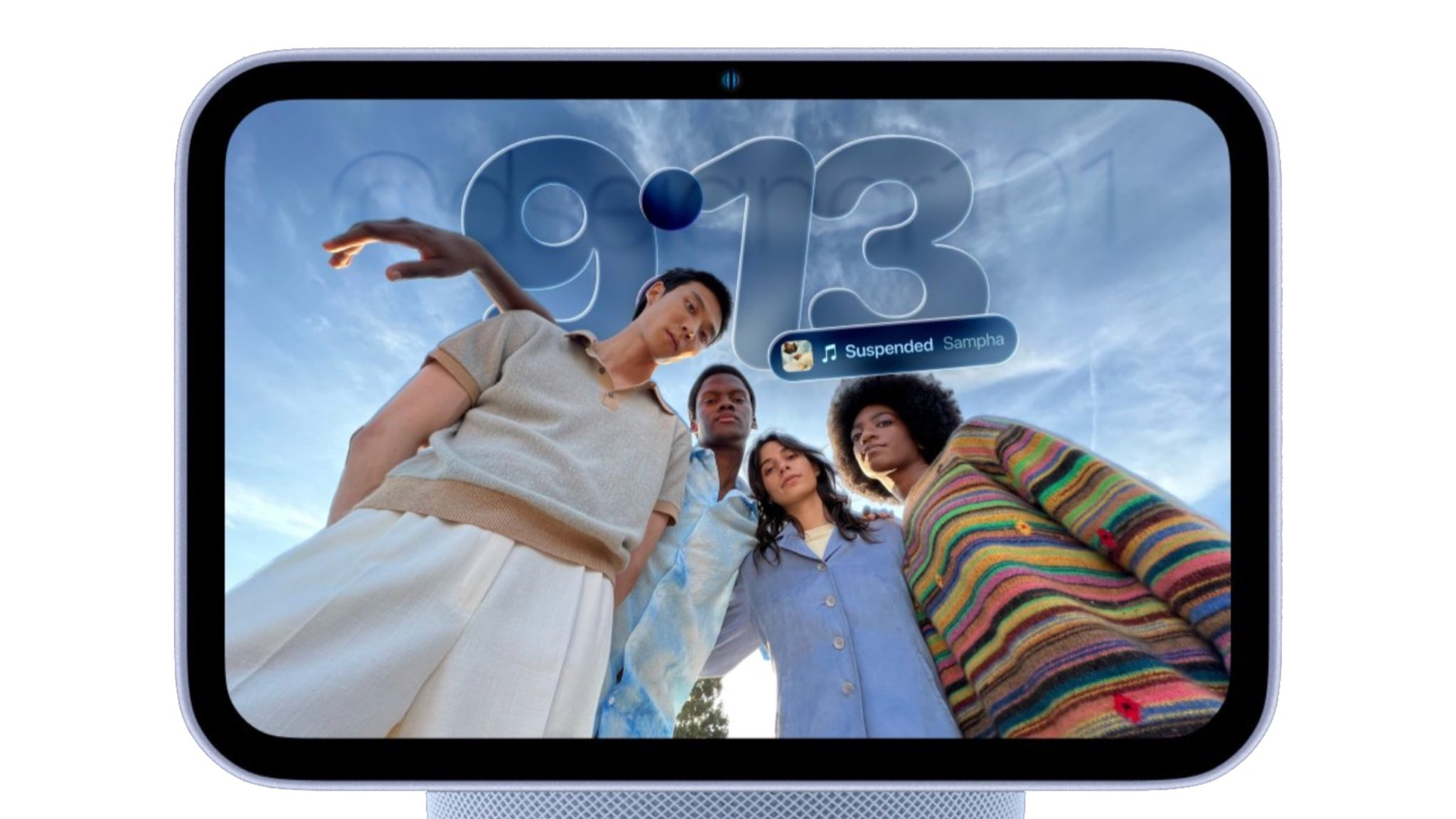
Apple is not just launching one smart home display. According to the latest reports for 2026, the company is working on two separate versions that serve different purposes. The first one, code named J490, is being called the tabletop HomePad. Think of it as a 7 inch square display sitting on top of a speaker base that looks like someone flattened a HomePod mini. This is the device you would put on your kitchen counter or nightstand, somewhere you can easily see and interact with it while you are moving around the house.
The second version, code named J491, is completely different. This one is designed to be wall mounted, working more like a digital control panel for your entire home. It is slim and iPad-like, and it attaches magnetically to walls. Imagine walking up to your hallway and seeing a sleek display that controls your lights, thermostat, security cameras, and everything else in your house. That is what the J491 is meant to be.
Both devices are rumored to run on the A18 chip, which is the same processor that powers the latest iPhones. That kind of power is not just for show. Apple needs that processing capability to handle Apple Intelligence features and the high quality video processing required for FaceTime calls. Having a chip that powerful in a home display suggests Apple is planning to do things that go way beyond what current smart displays can handle.
A new operating system to help run your home
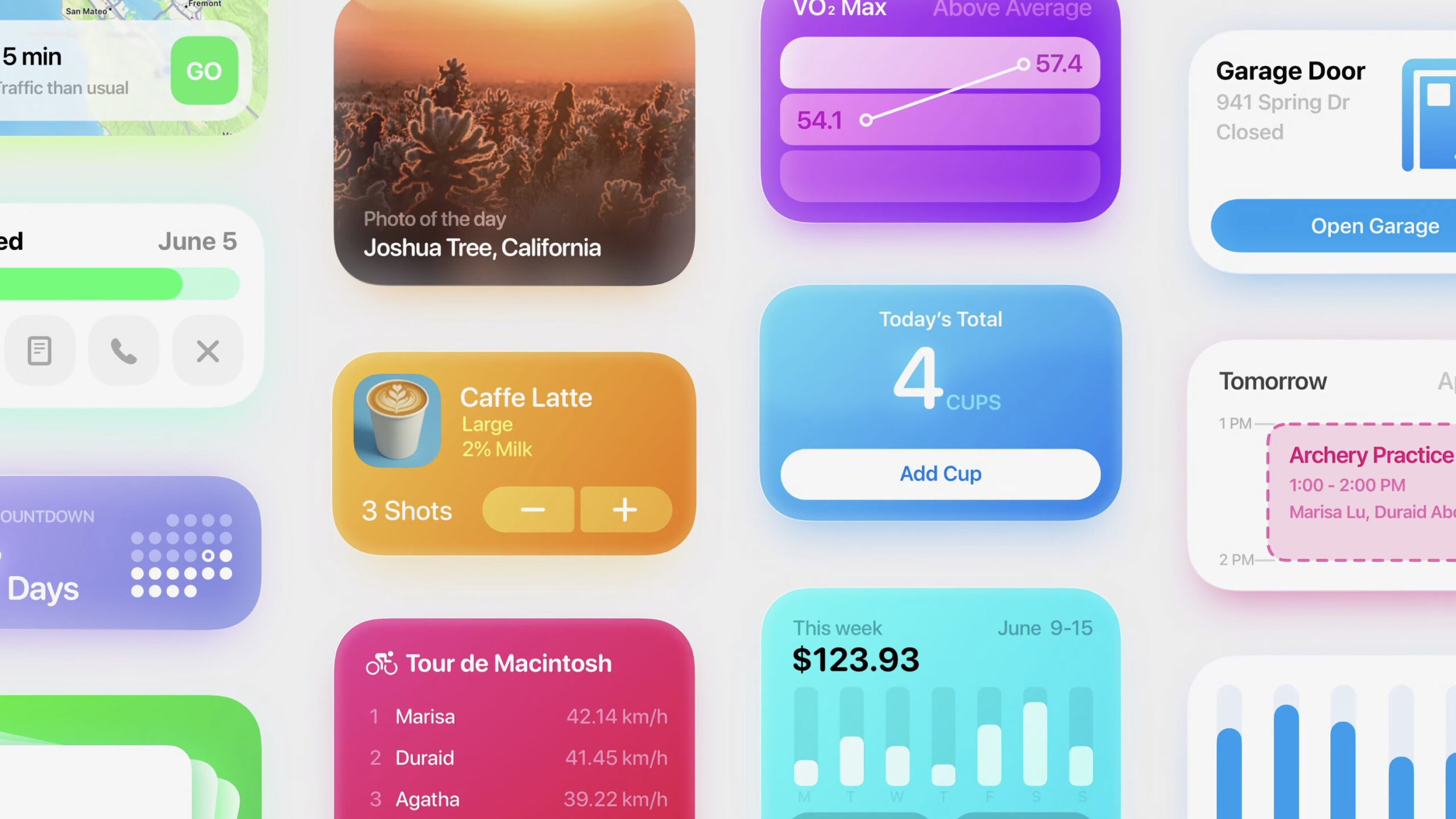
The hardware is interesting, but the software might be even more important. The Spring Event will likely introduce homeOS, which is a completely new operating system designed specifically for smart home displays. This is not just a modified version of iPadOS or iOS. Apple has built this from the ground up with a focus on widgets and something they are calling presence awareness.
The proximity awareness feature is particularly clever. The HomePad uses an ultra wide camera to detect how far away you are from the screen. If you are standing 10 feet back, it shows you a large clock or maybe the weather. Walk closer, and the display automatically switches to show your morning calendar, thermostat controls, or whatever else makes sense for you to interact with at that distance. The idea is that the screen adapts to how you are using it rather than forcing you to always navigate through menus.
The multi user Face ID feature is another first for shared home devices. The HomePad can recognize different people’s faces and instantly switch to show their personal information. If you look at it, you see your messages, calendar, and reminders. If your partner walks up and looks at it, the screen switches to their profile with their information. This solves one of the biggest problems with shared smart displays, which is that everyone currently sees the same thing or has to manually switch accounts.
Siri had to evolve in order to bring these devices to life
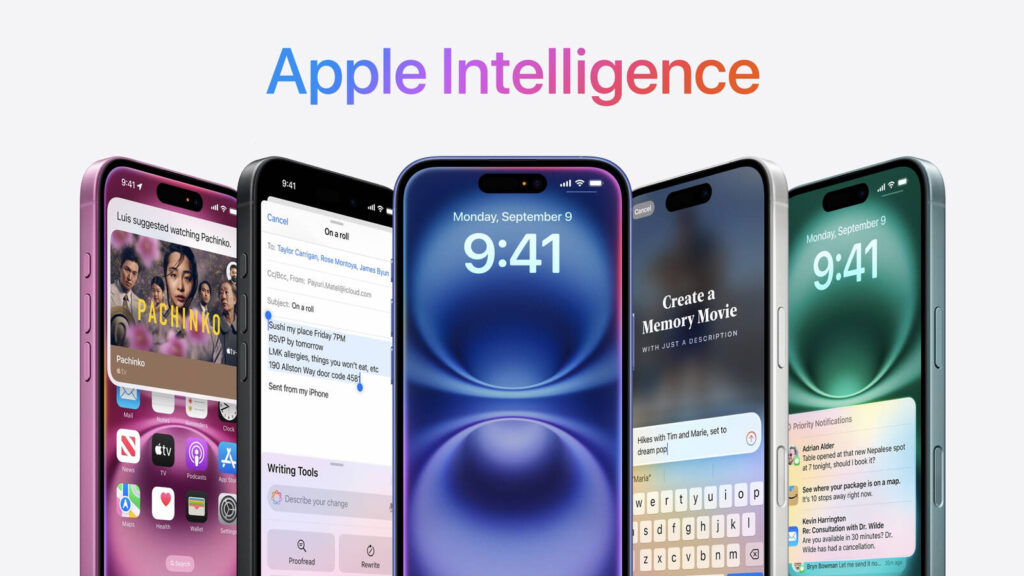
Here is the real reason this product apparently got delayed from 2025 to 2026. Apple needed to get Siri right. The new version of Siri running on the HomePad is powered by large language models, which is the same technology behind ChatGPT and other AI assistants. This is not the Siri that gets confused when you ask it anything complicated. This is Siri 2.0, and it can understand context and intent in ways the current version cannot.
On the HomePad, you will be able to say something like “Siri, make the living room look like movie night,” and it will understand what you mean. It could dim the lights, close your smart blinds, turn on the Apple TV, and adjust the thermostat, all from one command. No more creating complicated automation rules or repeating yourself three times because Siri did not understand. The assistant can figure out what you want and make it happen.
This is the kind of functionality that requires serious processing power, which is why the A18 chip makes sense. Apple Intelligence features need that horsepower to run locally on the device rather than sending everything to the cloud. That also fits with Apple’s privacy focus, since your voice commands and personal information stay on your device instead of being processed on remote servers.
How much will these devices cost and when you can buy them
The pricing rumors put the HomePad at around $350 to start. That is definitely more expensive than a basic Echo Show, which you can often find for under $100 during sales. Apple is betting that people will pay a premium for better privacy, tighter integration with their iPhones and other Apple devices, and features like Secure Video for their home security cameras. Whether enough people agree with that value proposition to make the HomePad successful remains to be seen.
The timing lines up with Apple’s 50th anniversary year. The company has always been selective about which product categories it enters, and it looks like 2026 is finally the year they are ready to seriously compete in the smart home display market. A March launch would give them the spring and summer to build momentum before the holiday shopping season, which is when most people buy smart home devices.





[…] approximately ₹1,05,000, which places it directly against established flagships from Samsung, Apple, OnePlus, and Xiaomi that have spent years refining their flagship offerings. Motorola wants you to […]
[…] AI pin is described as being similar in size and shape to an AirTag, though slightly thicker. Think of it as a thin, flat, circular disc with an aluminum and glass […]