
READ THIS before you buy the Motorola Moto G Power (2026)

The Motorola Moto G Power (2026) costs approximately ₹25,500, and the first thing you notice when examining the specifications isn’t what’s impressive about the hardware but rather what’s present that other manufacturers have removed. There’s a 3.5mm headphone jack, which has become nearly extinct in smartphones as manufacturers push wireless earbuds. There’s an FM radio receiver, which requires no internet connection and provides free entertainment that works anywhere with broadcast signals.
There’s a dedicated microSD card slot that accepts cards up to theoretically unlimited capacity, letting you expand storage without paying Motorola’s premium for built-in storage. The phone includes IP68 and IP69 water resistance despite costing less than many phones with no water protection at all. It has stereo speakers with Dolby Atmos tuning, a side-mounted fingerprint sensor integrated into the power button, and a barometer sensor that most phones have quietly removed over the years.
These features sound old-fashioned in 2026 when most manufacturers are busy removing ports and slots to make phones thinner, but Motorola is betting that some people actually want phones that do more rather than phones that look sleeker while doing less.
So, without further ado, let’s take a closer look at the Motorola Moto G Power (2026), so that you can ultimately decide if this is the smartphone for you.
Performance benchmarks and Gaming
The MediaTek Dimensity 6300 processor represents the practical reality of what you can afford at ₹25,500. The chip uses a 6nm manufacturing process with two Cortex-A76 cores running at 2.4 GHz and six Cortex-A55 cores at 2.0 GHz, paired with a Mali-G57 MC2 GPU that has only two cores. According to actual benchmark testing, this phone scores 424,581 points on AnTuTu 10, which places it firmly in entry-level territory well below mid-range phones that score 700,000 to 900,000 points. To put that number in perspective, the Snapdragon 685 that powered budget phones two years ago scores around 450,000 points, which means the Dimensity 6300 performs roughly equivalent to processors from 2023.
What this translates to in daily usage is that social media scrolling, web browsing, video streaming on YouTube or Netflix, and basic photography work fine without noticeable lag. Where you’ll feel the limitations is when you try to do anything demanding like playing graphics-intensive games at high settings, editing photos with multiple filters and adjustments, or running many apps simultaneously while switching between them rapidly.
The Mali-G57 MC2 GPU struggles with modern mobile games that expect more powerful graphics processing, which means games like Genshin Impact are essentially unplayable and even lighter titles like BGMI or Call of Duty Mobile require low graphics settings to maintain acceptable frame rates.
The processor does have one significant advantage over more powerful chips, which is thermal management. The lower clock speeds and older architecture mean the Dimensity 6300 generates less heat during operation, so the phone stays cooler during extended use compared to phones with flagship processors that throttle performance to prevent overheating. For people who primarily use their phones for communication, media consumption, and light tasks rather than gaming or intensive multitasking, the moderate performance is perfectly adequate and the cool operation is actually preferable to phones that get uncomfortably warm.

Memory specifications and Battery Life
The combination of 8GB RAM using LPDDR4X specification and 128GB storage using UFS 2.2 technology reveals where Motorola made cost-cutting decisions. LPDDR4X is older memory that’s slower than LPDDR5 or LPDDR5X, though at this performance level the RAM speed isn’t the primary bottleneck. UFS 2.2 storage has sequential read speeds around 900 MB/s, which is adequate for installing apps and loading photos but noticeably slower than UFS 3.1 or UFS 4.0 storage that would make everything feel more responsive. The presence of a microSD card slot partially compensates for the limited internal storage because you can add a 512GB or 1TB card for storing photos, videos, and music without worrying about running out of space.
The battery capacity of 5200mAh seems modest compared to phones with 6500mAh or 7600mAh batteries, but the actual battery testing shows the phone achieves 13 hours and 20 minutes of active use score, which represents solid endurance for normal usage patterns. The combination of a power-efficient processor, a 6.8-inch LCD display that consumes less power than AMOLED at lower brightness levels, and Motorola’s relatively light software customization means the phone lasts through a full day of moderate use without requiring midday charging.
Heavy users who spend hours gaming, streaming video, or using the camera extensively will still drain the battery in a single day, but most people will charge the phone overnight and have enough power to last until the next evening. The 30W wired charging reaches 50% capacity in approximately 30 to 35 minutes according to typical charging curves for batteries this size with 30W charging, which means you can quickly top up the battery during breakfast or while getting ready in the morning. There’s no wireless charging, which at this price point is expected rather than disappointing.

Design, Display, and Build Quality
The display is a 6.8-inch IPS LCD panel with 1080 x 2388 resolution, which works out to 387 pixels per inch. That pixel density is adequate for most purposes, though text won’t look quite as sharp as on displays with 450+ ppi density. The 120Hz refresh rate makes scrolling feel smooth, and the IPS LCD technology provides better viewing angles than cheaper TN panels while consuming less power than AMOLED displays.
The maximum brightness comes out at 940 nits, which is higher than the specified 1000 nits HBM rating suggests for typical content but confirms the screen is bright enough for outdoor visibility in direct sunlight. The color reproduction on IPS LCD isn’t as vibrant or contrasty as AMOLED, which means blacks look gray rather than truly black and colors appear less saturated, but the display is perfectly viewable for watching videos, reading text, and browsing photos.
The Corning Gorilla Glass 7i protection should resist scratches and survive drops better than unprotected glass, though it’s not the flagship-level Gorilla Glass Victus protection that costs significantly more. The screen-to-body ratio of 86.3% means reasonably sized bezels rather than the edge-to-edge design of more expensive phones, which actually makes the phone easier to hold without accidentally triggering touches on the screen edges.
The build quality includes some genuinely useful durability features that make the phone practical for daily use in challenging conditions. The IP68 rating means dust-tight protection and water resistance up to 1.5 meters for 30 minutes, while the IP69 rating adds protection against high-pressure water jets, which means you can rinse the phone under a tap if it gets dirty or use it in heavy rain without worry.
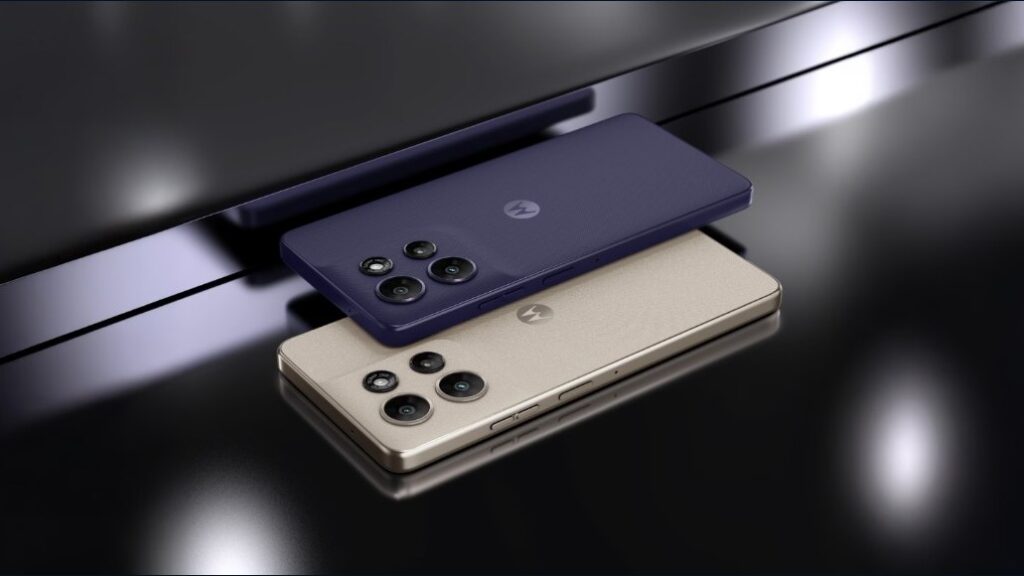
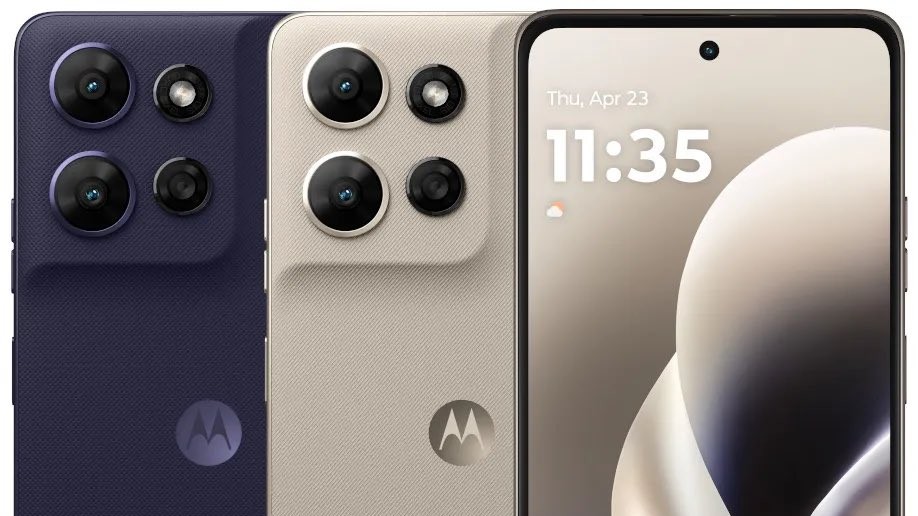
The glass front uses Gorilla Glass 7i for scratch resistance, while the back uses eco leather made from silicone polymer rather than glass or plastic. The eco leather provides better grip than glass backs that tend to slip out of your hand, and it won’t shatter if dropped the way glass backs do, though it may show wear and staining over time with heavy use. The plastic frame keeps weight down to 208 grams while providing structural rigidity, though it lacks the premium feel of aluminum frames. At 8.7mm thick, the phone is noticeably chunkier than slim flagships that measure under 8mm, but the extra thickness accommodates the 5200mAh battery and the 3.5mm headphone jack without requiring exotic internal engineering.
The audio capabilities represent one area where this phone actually excels compared to more expensive competitors. The stereo speakers with Dolby Atmos tuning produce sound that clocks in at -19.4 LUFS, which they rate as “Excellent” for speaker loudness and quality. The speakers get genuinely loud without distorting, which makes watching videos or listening to music without headphones a pleasant experience rather than the tinny, quiet sound that many phones produce.
The presence of a 3.5mm headphone jack means you can use any wired headphones without adapters, dongles, or battery concerns, and the phone supports 24-bit/192kHz Hi-Res audio over both the headphone jack and USB-C, which means high-quality headphones will sound as good as they possibly can. For people who own good wired headphones and find Bluetooth earbuds annoying due to charging requirements, connection reliability issues, or audio quality concerns, the headphone jack genuinely adds value.
The FM radio works with wired headphones plugged in to act as the antenna, providing free entertainment that requires no data connection and works anywhere broadcast signals reach, which matters in areas with poor mobile internet coverage or for people who want to conserve their data allowance.
The Camera package (Photography and Video Recording)
The camera system consists of a 50MP main sensor with f/1.8 aperture, 1/2.88 inch sensor size, 0.61µm pixel size, PDAF autofocus, and optical image stabilization. The specifications say “Dual” camera setup but only list the main sensor with any detail, which suggests the second sensor is likely a depth camera that exists mainly to enable portrait mode rather than providing genuinely useful photographic capability.
The 1/2.88 inch sensor size is small even by budget phone standards, and the 0.61µm pixel size means individual pixels are tiny, which helps achieve high resolution but hurts low-light performance because smaller pixels gather less light. In bright outdoor lighting, this camera produces acceptable photos with reasonable detail and color accuracy, though images tend to look slightly oversharpened and oversaturated in the way budget phone cameras often process photos to make them look more dramatic.
In medium lighting conditions like indoor spaces with overhead lights or cloudy outdoor days, image quality deteriorates with noticeable noise, reduced dynamic range, and colors that look muted compared to reality. In low light conditions like restaurants, evening scenes, or dimly lit rooms, the camera struggles significantly despite having optical image stabilization, producing grainy photos with poor detail and washed-out colors. The optical image stabilization helps more with video recording than photography, allowing the camera to record reasonably smooth 1080p footage at 30fps or 60fps while walking or moving the phone.
The limitation to 1080p video recording rather than 4K is disappointing in 2026 when even budget phones often include 4K capability, though the resulting file sizes are smaller and the quality difference isn’t dramatic when viewing on phone screens. The 32MP selfie camera with f/2.5 aperture captures adequate selfies for social media and video calls, producing images with decent detail in good lighting but noticeably degraded quality in less ideal conditions.
The camera app includes basic features like HDR, panorama mode, and portrait mode with background blur, but lacks the advanced computational photography features that more expensive phones use to improve image quality through software processing. For people who primarily take photos to share on Instagram, Facebook, or WhatsApp where images are compressed anyway, this camera is perfectly serviceable. For photography enthusiasts who want consistently good photos in various lighting conditions or the ability to crop and edit images without quality falling apart, this camera will disappoint.
Connectivity features
The connectivity options cover all the essential features without including expensive extras. There’s 5G support for Sub-6 networks, which provides future-proofing even though 5G coverage in many areas remains inconsistent. Wi-Fi 5 provides adequate wireless networking for home and public hotspots, though Wi-Fi 6 would have been preferable for better performance in congested environments.
Bluetooth 5.4 is current-generation and provides reliable connections to wireless headphones and other accessories. NFC enables contactless payments through Google Pay and other services. The USB Type-C 2.0 port handles charging and data transfer, though the 2.0 specification means slower data transfer speeds compared to USB 3.0 or newer standards. The side-mounted fingerprint sensor integrated into the power button works reliably and feels more natural to use than under-display sensors that require precise finger placement on the screen.
The presence of a barometer sensor enables altitude tracking for hiking and fitness activities, which has become uncommon in budget phones as manufacturers remove this sensor to save costs.
Operating system that comes out of box
The software that brings the Motorola Moto G Power (2026) to life is stock Android 16 without heavy customization, which Motorola calls “My UX” but is essentially clean Android with a few added features like Moto Actions gesture controls and a customizable quick settings panel. The lack of bloatware and unnecessary pre-installed apps means the phone feels responsive despite the moderate processor, and the clean interface makes the phone easy to use for people who want Android to work the way Google designed it rather than with manufacturer skins that change how everything looks and behaves.
Motorola promises one major Android update plus two years of security updates, which is adequate but not impressive compared to manufacturers like Samsung offering four years of Android updates and five years of security patches. For a phone costing ₹25,500, expecting extended software support is perhaps unrealistic, but the limited update promise means the phone will feel outdated sooner than devices with longer support commitments.
Is the Motorola Moto G Power (2026) smartphone for you?
When you examine the Motorola Moto G Power (2026) as a complete package, what emerges is a phone designed for people with specific priorities that mainstream manufacturers have decided to ignore. If you value having a headphone jack, expandable storage, and FM radio more than having the fastest processor or the best camera, this phone delivers exactly what you want. If you need genuine water resistance to protect your phone from accidents and weather without paying flagship prices, the IP68 and IP69 ratings provide real value.
If you prefer stock Android without manufacturer bloatware and heavy interface customization, Motorola’s light touch makes the phone feel cleaner and faster than its specifications suggest. But if you want good gaming performance, consistently excellent photos, or cutting-edge features, this phone will frustrate you with its limitations. The Dimensity 6300 processor is adequate but unexciting, the camera works in good light but struggles otherwise, and the overall specifications feel like they’re from 2023 rather than 2026.
The competition at ₹25,500 includes phones with faster processors like the Snapdragon 7s Gen 3 or Dimensity 7200, phones with better cameras using larger sensors and more sophisticated image processing, and phones with bigger batteries that last longer between charges. But none of those competitors include a headphone jack, microSD slot, and FM radio while also providing IP68 water resistance and stereo speakers.
The Moto G Power (2026) makes sense for people who know exactly what features they want and are willing to accept moderate performance to get those features. It makes sense for users who primarily consume media, communicate with friends and family, and take occasional photos without demanding professional quality. It makes sense for people who value practical features like water resistance and expandable storage over marketing-friendly specifications like high megapixel counts or benchmark scores.
The Motorola Moto G Power (2026) does not make sense for mobile gamers who want smooth performance in demanding titles. It doesn’t make sense for photography enthusiasts who need consistently good photos in various lighting conditions. It doesn’t make sense for users who want the fastest performance possible at this price point, because you can get significantly faster processors for similar money if you’re willing to give up the headphone jack and other legacy features. And it doesn’t make sense for people who expect long software support, because Motorola’s update commitment is minimal compared to competitors offering four or five years of updates.
TattwaTech Score
7 out of 10. The Motorola Moto G Power (2026) succeeds at being exactly what it aims to be, which is a practical phone with useful features that other manufacturers have removed in pursuit of thinner designs and higher profit margins. The headphone jack, microSD slot, FM radio, and genuine water resistance make this phone valuable for people who actually use those features. The moderate processor and camera performance represent acceptable compromises when you understand what you’re prioritizing.
Buy it if you want practical features more than cutting-edge performance. Skip it if you need speed, gaming capability, or camera quality, because better options exist at similar prices if you can live without the legacy features this phone preserves.






[…] Snapdragon 8 Gen 5 processor using Qualcomm’s third-generation Oryon cores represents genuinely cutting-edge performance that places this phone among the fastest available in […]
[…] with a smoothness that would have been unthinkable at this price point just three years ago. The Moto G85 5G, which costs roughly the same, offers a pOLED display at 120Hz, so if screen quality is your absolute priority, that might be […]
[…] put out a press release for its IFA 2026 event, where it launched the Edge 70 Plus, the Watch Ultra, and the Snap Wireless Charger. Tucked inside that same press release was a small but important […]