
READ THIS before you buy the iPhone Air

Every product design you have ever used is essentially a series of trade-offs. It is like a slider where you can push it toward form or toward function. Sometimes, a company decides to push that slider all the way to one side just to see what happens.
That is exactly what we are looking at in this iPhone Air review. Apple decided to make a ridiculously thin iPhone, and when I say thin, I mean thinner than a number number two pencil.
It is thinner than any previous iPhone, even the ones that were famous for bending, and it is even slimmer than the old iPod touch.
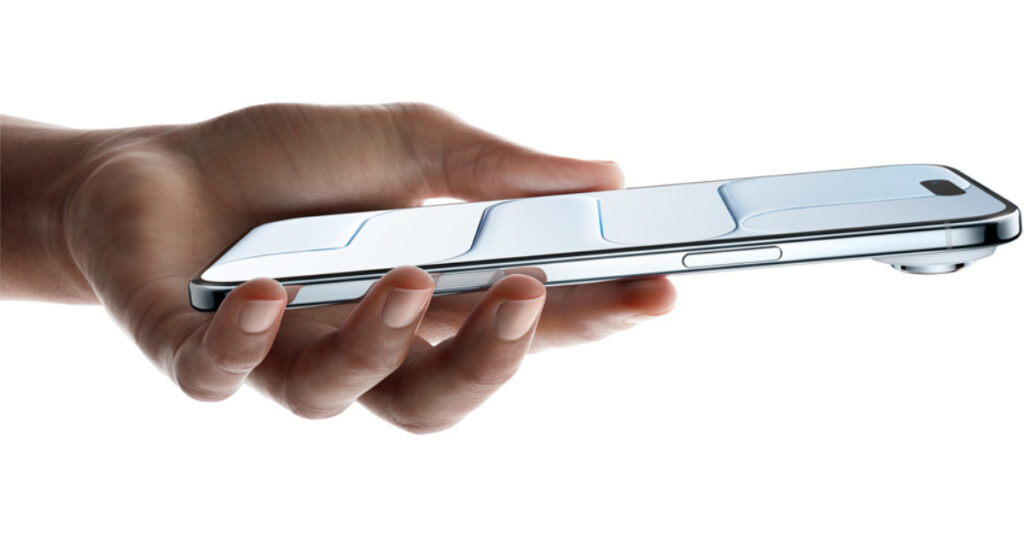
So, I did get an opportunity to spend some time with the iPhone Air and I wanted to figure out if this level of thinness is actually a good thing for the average user. To get it this thin, Apple had to completely rearrange the internals.
They squeezed most of the compute and the logic board into a small “plateau” at the top, leaving the rest of the body for the battery. It has a shiny titanium frame that picks up fingerprints like crazy but feels remarkably premium.
It is noticeably lighter than any iPhone I have held in years, and it definitely earns the Air name. But as the saying goes, beauty is pain.
To reach this form factor, Apple made a lot of sacrifices, and we need to talk about whether those pains are worth the aesthetic gain.
The small sacrifices that add up
When you make a phone this thin, you lose the physical space required for certain hardware components. The first thing I noticed was the speakers. Apple actually removed the bottom speaker entirely to make more room for the battery.
Those grills you see at the bottom are actually just for microphones. This means the only speaker on the entire phone is the earpiece at the top.
Because the speaker is so small, it doesn’t get very loud and there is almost no bass. It sounds a bit tiny. The real annoyance comes when you turn the phone sideways to watch a video or play a game.
All the audio comes from one side, which totally kills the stereo experience. If your thumb accidentally covers that one earpiece, the sound just disappears.
There are other small cuts too. This phone is eSIM only across the globe. Apple removed the physical SIM tray to gain back about 200 mAh of battery space.
For most people, you will only notice this when you first set up the phone, but for power users who swap phones often, it is a bit of a headache. Also, despite being a brand new device, the USB-C port is limited to USB 2.0 speeds, and there is no support for millimeter wave 5G.
Most people won’t miss the 5G speeds, but the slow data transfer on a thousand dollar phone feels a bit behind the times.
Performance and the heat problem
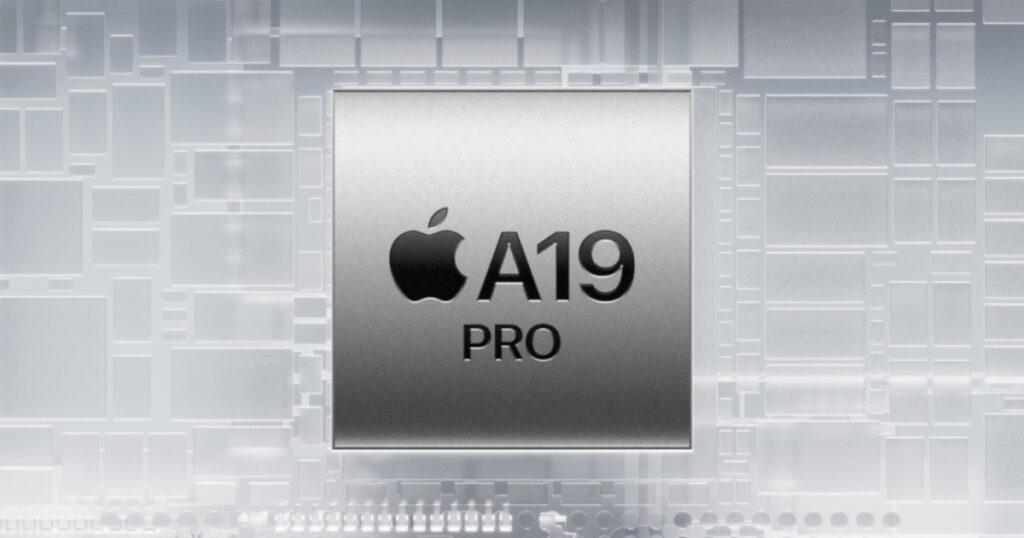
Under the hood, the iPhone Air is running the A19 Pro chip. This is a beast of a processor, but it presents a unique challenge in a body this thin.
The standard Pro phones are thicker, made of aluminum for better heat dissipation, and feature new vapor chambers. The Air has none of those things.
In my testing, I noticed the phone getting quite warm during sustained tasks like gaming or heavy multitasking. It definitely feels like the software has to throttle the chip down to keep it from melting through the thin titanium shell.
While I never got an official “overheating” warning, you can feel that heat right below the camera plateau. It is the price you pay for putting a professional grade chip into a chassis that was designed for portability over power.
The return of the single camera
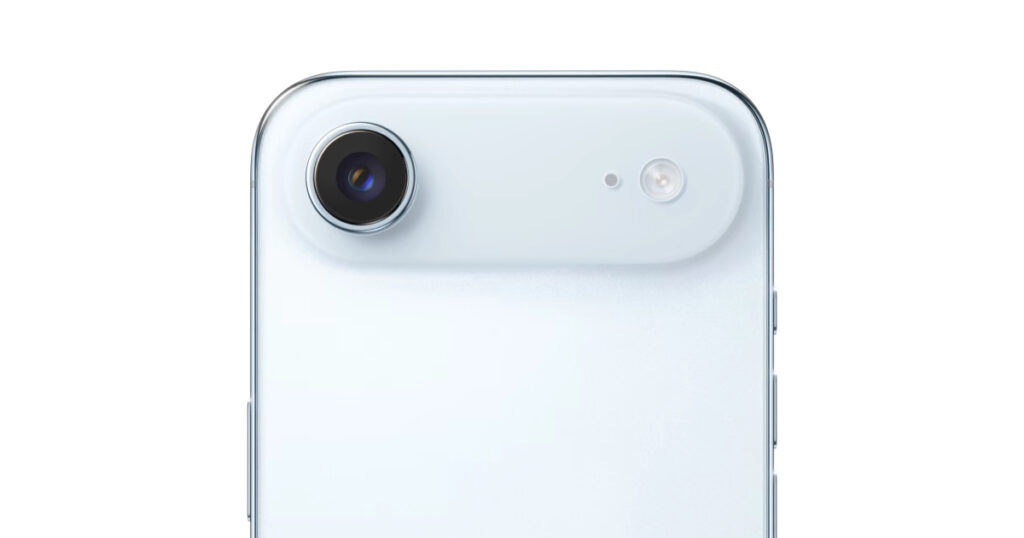
One of the most controversial parts of this iPhone Air review is the camera system. We have become so used to seeing two or three lenses on the back of our phones that seeing just one feels like a trip back to 2016.
Apple made a deliberate choice here: you get one really good main lens, but you lose the ultrawide and the telephoto zoom.
I found myself reaching for the ultrawide button constantly, only to remember it wasn’t there. While the 48 megapixel main sensor is excellent and produces great photos in a vacuum, we don’t live in a vacuum. Other phones at this price point give you way more versatility.
If you are someone who mostly takes casual shots of your food or your friends, you will likely be fine. But if you rely on your phone for serious photography or need that zoom for concerts, this single camera setup is going to feel like a massive downgrade.
Surprising durability and repairability
I think everyone’s first instinct when seeing a phone this thin is to wonder if it will snap in half. We all remember the “bendgate” era. However, it turns out that the iPhone Air is one of the most durable phones Apple has ever made.
The titanium frame is incredibly strong, and even if you put a lot of pressure on it, it tends to snap back to being flat rather than staying bent.
The glass is also tougher. The new version of Ceramic Shield is significantly more scratch resistant than what we saw last year. It even held up better than most standard smartphones in professional stress tests.
On top of that, it actually received a decent repairability score from iFixit. You can open it from the front or the back, which is a big win for longevity. So, while it looks fragile, it is actually a bit of a tank.
The battery life reality check
This is the part of the iPhone Air review where the excitement usually dies down. The battery life on this phone is, frankly, not great. Because it is so thin, Apple couldn’t fit a massive battery inside.
They chose not to use the newer high-density silicon carbon batteries that some competitors are using, so you are left with a battery capacity that feels like it belongs in an iPhone 11.
Powering a large, 120Hz OLED display with such a small cell is a tall order. On an average day of use, I was ending with about 15 percent battery left while using low power mode.
If you are a heavy user who spends hours on social media or uses navigation all day, you are going to be looking for a charger by 4:00 PM. It also charges slower than the rest of the iPhone 17 lineup, which just adds to the frustration.
Apple even launched a new MagSafe battery pack alongside this phone, which almost feels like they are selling you the solution to a problem they created.
Why does this phone exist
You might be asking why Apple would make so many sacrifices just to make a thin phone. The truth is that the iPhone Air feels like a preview of the future.
If you look at the folding phone market, each half of a foldable needs to be incredibly thin so that the device isn’t a brick when it is closed.
All of the engineering that went into miniaturizing the logic board and the N1 networking chips is likely groundwork for the foldable iPhone we expect to see eventually.
For now, the Air is for the person who values style, lightness, and a futuristic feel over raw battery life and camera zoom. It is a beautiful piece of hardware that will definitely start conversations, but for the power users among us, the Pro models still offer a much more balanced experience.






[…] members of the 17 family. Apple claims the 6 core CPU is up to twice as fast as what we saw in the iPhone 11. While comparing a 2026 phone to one from 2019 sounds like a safe bet, the real world gains in […]