
Samsung Galaxy S26 Ultra camera and the hidden cost of a thinner design

The Samsung Galaxy S26 Ultra camera was the undisputed star of the recent Unpacked event, and for good reason. Samsung spent a lot of time on stage talking about how they have pushed the boundaries of mobile photography once again. We heard about the massive f/1.4 aperture on the main sensor, the shift to a much brighter f/2.9 aperture on the 5X telephoto lens, and the suite of new Galaxy AI tools designed to make every shot look professional.
However, as someone who has covered these launches for over a decade, I know that the most interesting stories are usually the ones that don’t get a dedicated slide in the presentation.
While everyone is buzzing about the sleeker 7.9 mm body and the impressive privacy display, there is a technical trade-off happening under the hood of that 5X periscope lens. It is a classic case of physics demanding a tax for every gain in design. Samsung wanted a thinner phone and a brighter lens, and they got both, but they had to give up something that macro photography enthusiasts are going to miss.
The engineering behind the W-shape lens
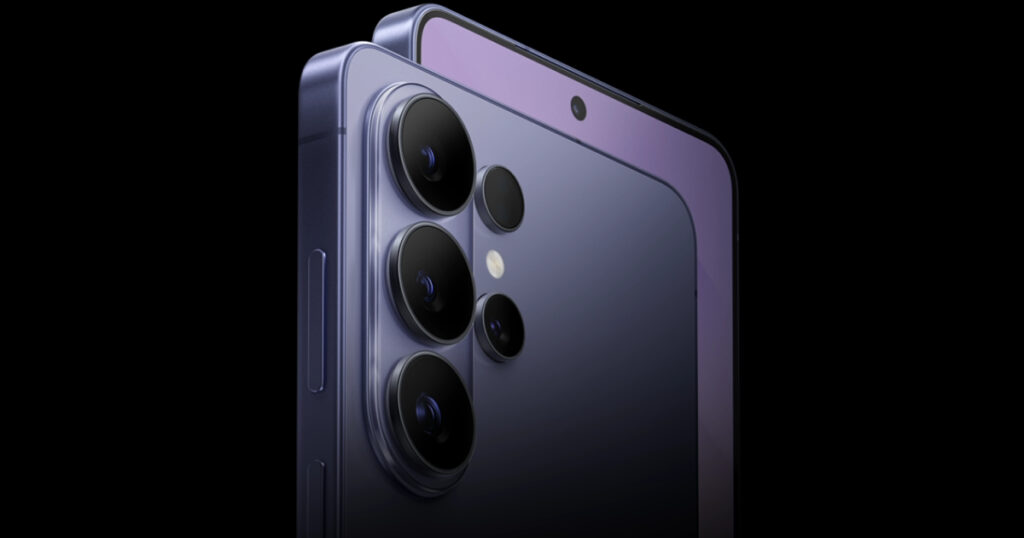
To understand what changed, we have to look at how light moves through the phone. The Samsung Galaxy S26 Ultra camera uses a new W-shape folded optical design for its 5X zoom. In previous years, periscope lenses used a relatively simple L-shaped path where light hits a prism and travels down the length of the phone. This worked well, but it was bulky. It required a certain amount of internal height that made it difficult to keep the phone’s chassis thin.
By moving to this W-shape layout, Samsung is essentially bouncing light multiple times within a tighter space. This is similar in concept to what Apple does with the tetraprism or what we see in some high-end Chinese flagships. This architectural shift is exactly how Samsung managed to shave the phone down to 7.9 mm while actually increasing the aperture of the 5X lens to f/2.9. On paper, it is a win. A brighter lens means better photos in the evening and less digital noise. But because the internal path is now more complex and the lens elements are arranged differently, the lens cannot physically move in a way that allows it to focus on things that are right in front of it.
The end of the telemacro era?
On last year’s Galaxy S25 Ultra, the 5X camera was a secret weapon for close-up shots. You could get as close as 25 cm to a subject and still lock focus. This created a “telemacro” effect where you could photograph a flower or a watch dial with beautiful, natural background blur that an ultrawide macro lens just cannot replicate.
With the Samsung Galaxy S26 Ultra camera, that minimum focusing distance has ballooned to somewhere between 60 and 70 cm. If you try to take a photo of something 30 cm away using the 5X zoom, the phone is going to realize it cannot focus. To save you from a blurry mess, the software will automatically switch you back to the main camera or the ultrawide lens and crop in.
For the average user taking a photo of a menu or a dog across the room, this change is invisible. The software transition is seamless. But for the photographer who specifically chooses the 5X lens to get that compressed, professional-looking bokeh on a close-up subject, the limitation is going to be frustrating. You simply cannot get those tight, detailed close-ups with the telephoto lens anymore.
Comparing the competition
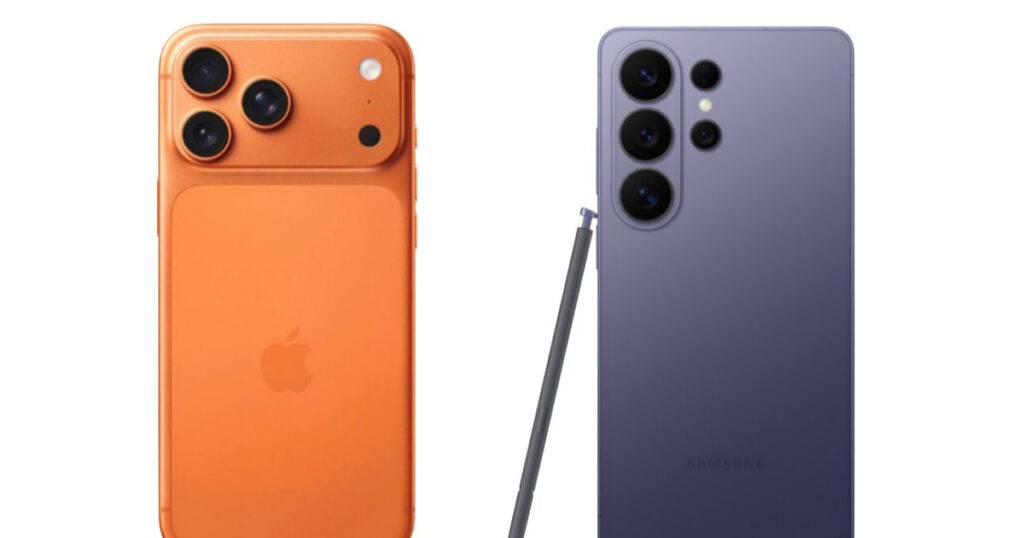
It is worth noting that Samsung is not the only one making these choices. If we look at the iPhone 17 Pro, its tetraprism telephoto lens has a minimum focus distance of about 100 cm. In that context, Samsung’s 60 cm to 70 cm range actually looks quite good. It is a middle ground between Apple’s restrictive distance and the specialized lenses found on some Chinese flagships.
Brands like Oppo and Vivo have managed to keep their telephoto focus distances as short as 10 cm or 15 cm. However, there is no magic involved there, just different priorities. Those phones are significantly thicker than the S26 Ultra and often carry much larger batteries to balance out the internal volume. Samsung clearly decided that a slim, pocketable design and a brighter aperture for low-light zooming were more important to their customers than close-up telephoto capabilities.
More than just a lens change for the Samsung Galaxy S26 Ultra camera
Beyond the zoom drama, the rest of the Samsung Galaxy S26 Ultra camera package is genuinely formidable. The main f/1.4 sensor is a light-gathering monster. In my early testing, it pulls detail out of shadows that would have been a grainy smudge on older models. The new privacy display is also a clever touch, using a specialized coating to limit viewing angles so the person sitting next to you on a flight can’t read your emails.
The move to faster charging and the continued refinement of Galaxy AI shows that Samsung is focusing on the “quality of life” features. They are making the phone faster to use and smarter at processing what it sees. The AI now handles complex object removal and scene relighting with much less of that “uncanny valley” look we saw in earlier iterations.
Ultimately, the S26 Ultra is a specialized tool. It is an engineering marvel that prioritizes a thin profile and superior low-light reach. While I am disappointed to see the 25 cm focus distance disappear, I understand why the trade-off was made. For most people, a brighter 5X lens that takes better photos at a concert or a sporting event is worth the loss of a niche macro feature.
Pricing and availability
The Samsung Galaxy S26 Ultra is available for pre-order now starting at $1,299 for the 256GB model. Official retail availability begins on March 12, 2026, at all major carriers and electronics retailers. The device comes in Titanium Gray, Titanium Black, and a new Starlit Blue.





[…] you put the Galaxy S26 Ultra next to last year’s S25 Ultra, it is almost impossible to tell them apart at a glance. […]