Apple 2026 event brings a budget MacBook and M5 powerhouses

The rumors of a “big week” at the Apple 2026 event were not exaggerated. After a series of rapid-fire press releases and local media sessions in New York and London, we now have a clear picture of the hardware lineup for the first half of the year. Apple has chosen to ditch the traditional stage presentation in favor of a rolling launch schedule, which has kept the tech world on its toes since Monday.
The strategy here is obvious. By spreading these announcements over several days, Apple has ensured that every product, from the entry-level smartphone to the high-end monitor, gets its own moment in the spotlight. It is a dense list of updates, but for those trying to decide whether to upgrade now or wait, the following breakdown covers the essential details.
The MacBook Neo makes the Mac accessible
Perhaps the most significant news from the Apple 2026 event is the introduction of the MacBook Neo. This is the budget laptop we have been hearing about for years. Priced at $599, it effectively occupies the space once held by the long-gone 12 inch MacBook, but with a more modern internal architecture.
Under the hood, it uses the A18 Pro chip. While some might be skeptical about an iPhone chip powering a laptop, the benchmarks for the A18 Pro already exceed many mid-range PC processors. It is designed specifically to handle Apple Intelligence features without stuttering. However, there are some logistical realities to consider before you buy:
- Display: You get a 13 inch Liquid Retina screen that is bright and sharp, but lacks the ProMotion technology found in more expensive models.
- The Keyboard Catch: The base model does not include Touch ID on the keyboard. To get that biometric convenience, you have to opt for a higher-tier configuration or purchase a separate Magic Keyboard.
- Target Audience: This is clearly aimed at the education sector and casual users who primarily use web apps, streaming services, and basic document editing.

iPhone 17e brings MagSafe to the budget line
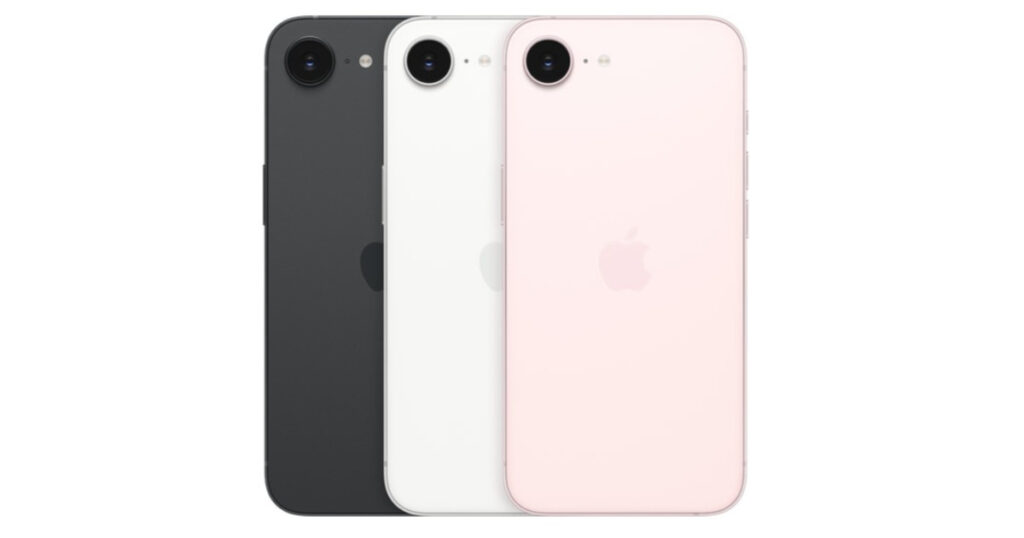
On the mobile side, the iPhone 17e has arrived to replace the 16e. It maintains the $599 entry price but doubles the base storage to 256GB. The inclusion of MagSafe is the most practical upgrade here. For years, the budget “e” and SE models felt like they were living in the past regarding accessories. Now, these users can finally use the ecosystem of magnetic chargers, wallets, and car mounts.
The phone runs on the new A19 chipset and features Apple’s first in-house 5G modem, the C1X. According to early technical briefings, this modem is significantly more power-efficient than previous Qualcomm components, which should lead to better battery life when you are off Wi-Fi. It is a solid, no-nonsense choice for anyone who wants a reliable iPhone without the $1,000 price tag.
M4 iPad Air gets a performance boost
The iPad Air has moved to the M4 chip just one year after its last refresh. While the 30% performance jump is impressive on paper, the real-world benefit for most people will be the increased longevity of the device.
The M4 is built to handle the next generation of on-device AI tasks that iPadOS 26 will likely introduce later this year. Connectivity also sees an upgrade with the C1X modem and N1 wireless chip, meaning faster 5G and more stable Wi-Fi 7 connections. If you are coming from an M1 iPad Air, this is a substantial leap. If you already have the M3 version, the incentive to upgrade is much lower.
Professional monitors: Studio Display and Studio Display XDR
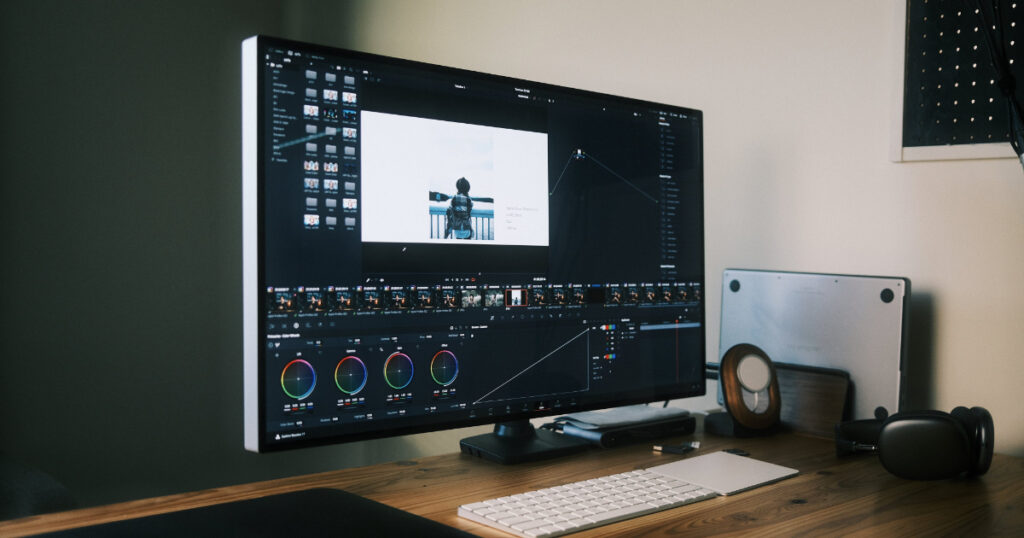
For the first time since 2022, the Studio Display has been updated. The standard model keeps its $1,599 price point but adds Thunderbolt 5 ports and a vastly improved 12MP Center Stage camera.
The real star for creative professionals, however, is the new Studio Display XDR. Starting at $3,299, it replaces the aging Pro Display XDR. It features a 27 inch 5K panel with mini-LED backlighting and a 120Hz refresh rate.
MacBook Pro and MacBook Air move to the M5 era
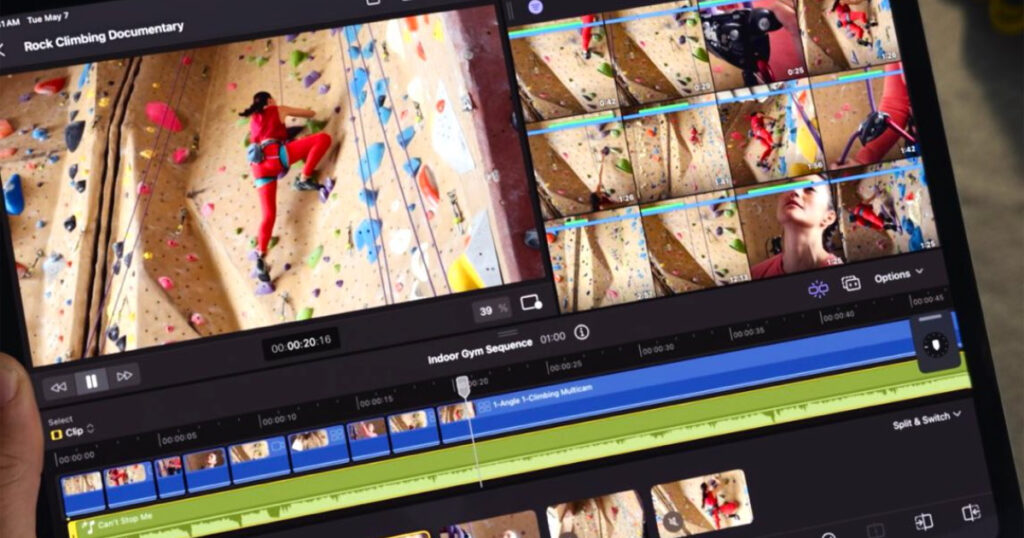
The high-end MacBook Pro models (14 inch and 16 inch) now feature the M5 Pro and M5 Max chips. Apple is leaning heavily into the AI narrative here, claiming these chips are designed for local large language model processing.
The MacBook Air has also jumped to the standard M5 chip. While the design is identical to the previous model, the starting storage is now 512GB. The price has moved up to $1,099 to reflect this, but considering the cost of storage upgrades in the past, this is actually a fair deal for the consumer. Both the Pro and Air models now support Wi-Fi 7 and Bluetooth 6, future-proofing your wireless speeds for the next several years.
Frequently Asked Questions
When can I buy these new devices?
Pre-orders for most of the hardware announced during the Apple 2026 event are live now. General retail availability and shipping begin on Wednesday, March 11.
Is the MacBook Neo powerful enough for video editing?
It can handle basic 1080p and light 4K editing in iMovie or CapCut. However, because it uses the A18 Pro chip and is limited to 8GB of RAM, it is not a replacement for a MacBook Pro in a professional color-grading or 3D-rendering workflow.
Does the iPhone 17e have the Dynamic Island?
No. To keep costs down, the iPhone 17e retains a more traditional notch design. If the Dynamic Island is a must-have feature for you, you will need to look at the standard iPhone 17 or the Pro models.
The Apple 2026 event has successfully filled the gaps in the product catalog. By offering a $599 laptop and a $599 phone alongside cutting-edge M5 workstations, Apple is clearly trying to capture both the budget-conscious student and the high-end professional in one fell swoop.