
Panic announces a strict Playdate AI game ban for its official store

Panic announces a strict Playdate AI game ban for its official store
The indie gaming world is currently processing a major policy shift from Panic, the Portland based company responsible for the Playdate handheld. In a move that highlights the tension between traditional craftsmanship and modern automation, Panic has confirmed that it will no longer accept games featuring generative AI for its official “Catalog” store. This decision marks a significant moment for the platform, which has built its reputation on a foundation of quirky, hand-crafted experiences that take advantage of its unique crank-based hardware and 1-bit display.
The Playdate AI game ban is not just a minor update to a terms of service document. It is a foundational statement about what the company believes the Playdate represents. Since its launch, the device has been a darling of the indie scene, attracting developers who want to work within strict limitations. By banning AI-generated content, Panic is reinforcing the idea that the “soul” of these games is just as important as the code itself. This policy applies specifically to the Catalog, which is the curated digital storefront that appears directly on the device.
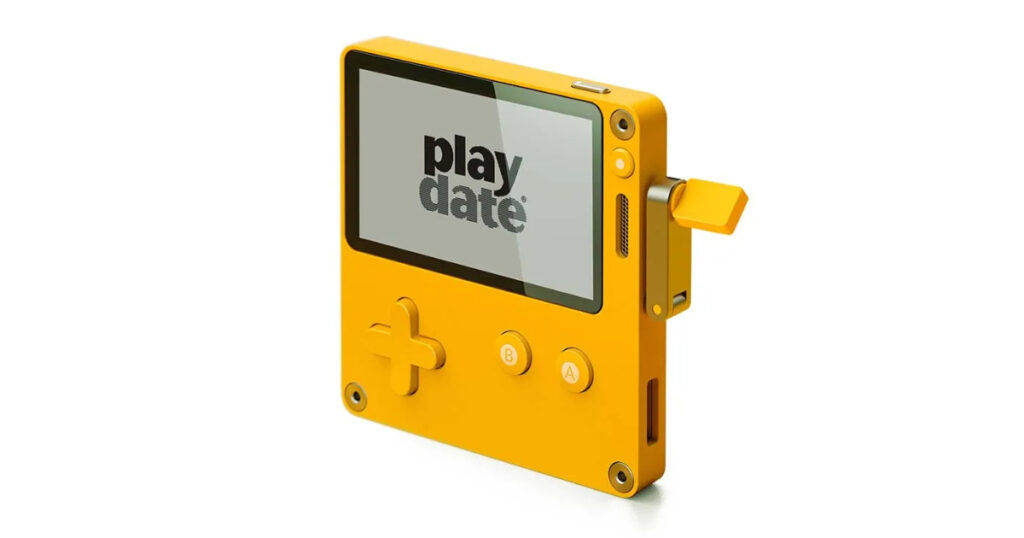
The details of the Playdate AI game ban
According to the official communication from Panic, the new rules are very specific. The Playdate AI game ban targets any game that uses generative AI to create core assets. This includes, but is not limited to, the use of AI for character art, background music, dialogue scripts, and even large portions of the game’s code. Panic has stated that they want the Catalog to remain a place where players know that a human being made every decision.
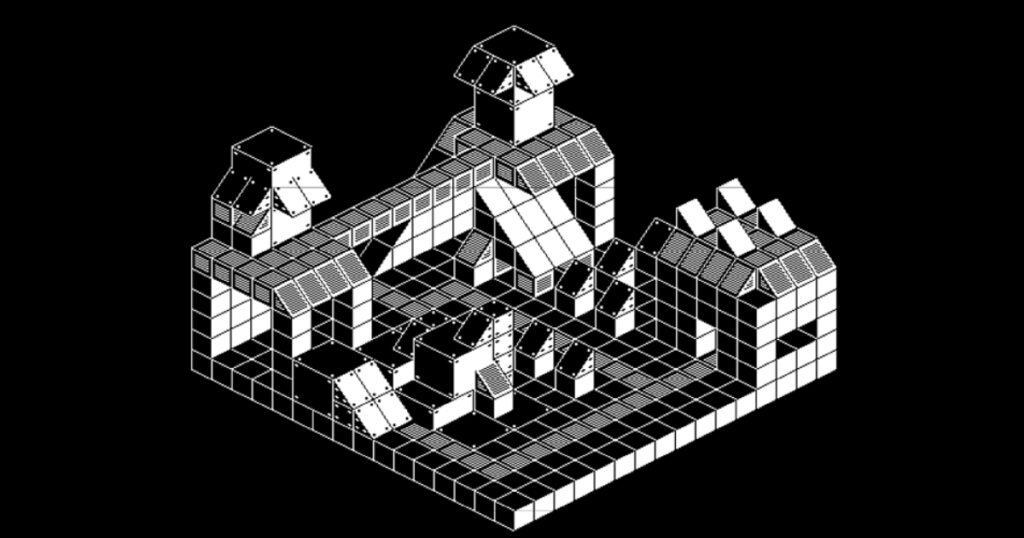
The company clarified that they are not interested in the “average” or “generic” content that generative AI often produces. On a screen as small and specialized as the Playdate’s 400 by 240 pixel black and white display, every pixel counts. Developers often spend hours meticulously placing dots to create the perfect 1-bit aesthetic. Panic believes that allowing machine-generated art would dilute the high standard of visual storytelling that has come to define the platform. The Playdate AI game ban is their way of protecting that aesthetic integrity.
Why the Playdate AI game ban fits the Panic philosophy
Panic has always been a company that marches to the beat of its own drum. From their early days as a Mac software developer to publishing hits like Firewatch and Untitled Goose Game, they have prioritized a “human touch” in everything they do. The Playdate itself is a manifestation of this philosophy. It is a device that does not try to compete with the Steam Deck or the Nintendo Switch. Instead, it offers a focused, almost artisanal gaming experience.
The Playdate AI game ban is a logical extension of this brand identity. When you buy a Playdate, you are entering a specific ecosystem. You are buying into a “Season” of games that are delivered to your device weekly. These games are surprises, often experimental, and always personal. Panic feels that introducing generative AI into this mix would break the invisible bond between the creator and the player. By enforcing the Playdate AI game ban, they are ensuring that the Catalog remains a gallery of human ingenuity rather than a repository for algorithmically generated software.
Understanding the scope of the Playdate AI game ban
It is important to understand where the Playdate AI game ban starts and where it ends. This is not a hardware-level lockout. Panic is not scanning the files on your device to see if you have sideloaded a game made with AI. One of the best features of the Playdate is its openness. You can still go to sites like itch.io, download a game, and put it on your device regardless of how it was made.
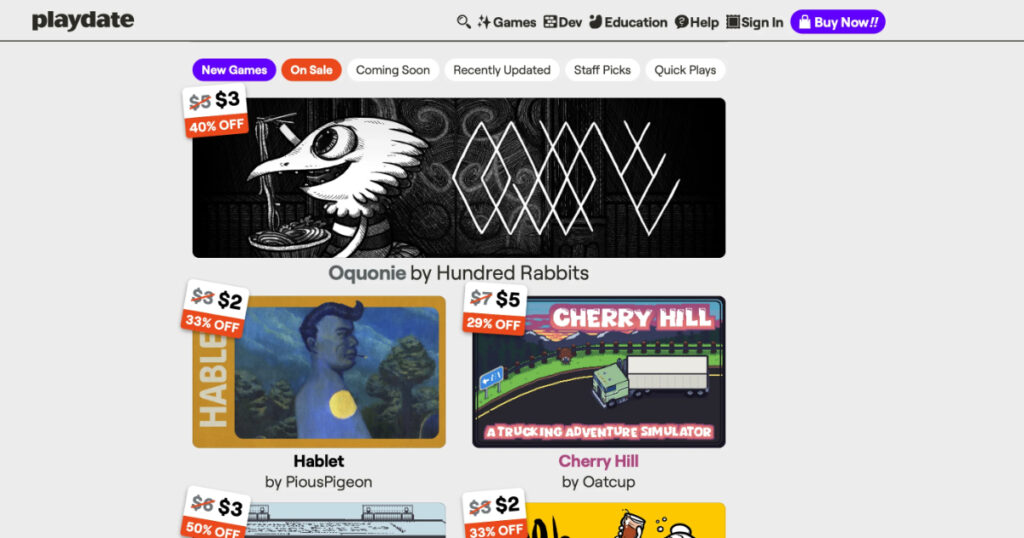
The ban is strictly for the “Catalog.” The Catalog is the curated, “gold standard” store. Being selected for the Catalog is a badge of honor for many indie developers. It means Panic has looked at your game, tested it, and decided it is worth being part of the official Playdate library. By implementing the Playdate AI game ban for this specific store, Panic is acting as a gatekeeper of quality and origin. They are saying that while they cannot control what you do in your own time, they will not put their official stamp of approval on something generated by a prompt.
Community response to the Playdate AI game ban
The reaction from the developer community has been largely positive, though not without its debates. Many veteran indie devs, particularly those based in tech hubs like San Francisco, Seattle, and Portland, have lauded the move. They argue that generative AI often scrapes the work of artists without consent, and by enforcing a Playdate AI game ban, Panic is standing up for the rights of creators. For many, the Playdate is a sanctuary from the high-tech, high-pressure world of AAA gaming, and they want it to stay that way.
However, some developers have raised questions about where the line is drawn. Does using an AI-based tool to “denoise” an audio recording count? Does using an AI-based IDE that suggests lines of code trigger the Playdate AI game ban? Panic has acknowledged that these are “gray areas,” but their current stance is a firm “no” on any content that is primarily generated by a machine. They are encouraging developers to reach out if they have questions, but the general vibe is that if you have to ask, you are probably leaning too hard on the tools.
How the Playdate AI game ban affects current developers
For developers who currently have games in the Catalog, the news is a relief. They no longer have to worry about their hand-crafted work being buried under a mountain of low-effort AI clones. For those currently in the development process, the Playdate AI game ban serves as a clear warning. If you want the visibility and the revenue that comes from a Catalog placement, you must be prepared to show your work.
The team at Panic is very small, and they manually review every submission. This human-led review process is what makes the Playdate AI game ban enforceable. They are not looking for a “perfect” game; they are looking for an insightful one. They want to see the “scars” of development: the unique choices, the weird humor, and the clever uses of the crank that only a person could think of. By stripping away the possibility of AI, they are forcing developers to dig deeper into their own creativity.
Tangible updates on release, prices, and availability
If you are looking to buy a Playdate or submit a game that follows the new guidelines, here are the tangible facts you need to know:
- Hardware Price: The Playdate is currently priced at $199 USD.
- Shipping Status: Units are currently in stock and shipping within a few days of ordering.
- Catalog Submissions: The submission portal for the Catalog remains open for all developers, provided they adhere to the new Playdate AI game ban and other standard quality guidelines.
- Season One: Every new Playdate comes with “Season One,” a collection of 24 human-made games that are delivered to the device automatically over 12 weeks.
- Stereo Dock: The highly anticipated Stereo Dock accessory is still listed as “coming soon” with no final price or release date confirmed yet.
- Developer Tools: The Playdate SDK remains free to download for Mac, Windows, and Linux, and it supports Lua and C languages.
The Playdate AI game ban is a bold step in an industry currently obsessed with automation. By choosing to prioritize the human developer, Panic is betting that their audience values authenticity over volume. Whether you are a player or a creator, the message is clear: the crank is for humans only.