
HyperOS 4 based on Android 17 is coming to Xiaomi, Redmi and Poco devices

HyperOS 4 is shaping up to be one of the most significant software updates Xiaomi has put together in a while. Built on top of Android 17, this next version of Xiaomi’s custom operating system is expected to roll out across a large number of Xiaomi, Redmi and Poco devices. If you own a phone from any of these brands, there is a good chance this update is headed your way, and it is worth knowing what it brings to the table.
Xiaomi made the switch from MIUI to HyperOS not too long ago, and each new version has shown clear progress in terms of polish, performance and user experience. With HyperOS 4, the company appears to be taking another meaningful step forward. Let’s go through everything we know so far.
What is HyperOS 4 and why does it matter?
For anyone not fully caught up, HyperOS is Xiaomi’s custom software layer that runs on top of Android. It replaced the long-running MIUI skin, and since its introduction, Xiaomi has been working to make it cleaner, faster and more tightly integrated across its ecosystem of devices. HyperOS 4 is the next major version, and it will be built on Android 17, which is the latest version of Google’s mobile operating system.
This matters because the underlying Android version determines a lot of what your phone can do at a fundamental level. New Android versions bring updated security features, better privacy controls, improved performance handling and new developer tools that apps can take advantage of. When Xiaomi layers HyperOS 4 on top of that, you get all of those core Android 17 improvements plus whatever Xiaomi adds on its own end. It is a combination that should result in a noticeably better day-to-day experience for users.
What features can we expect from HyperOS 4?
While Xiaomi has not laid out every single detail just yet, based on what has been shared and what has surfaced through early reports, HyperOS 4 is expected to deliver upgrades across several areas.
Visual and UI refinements are almost certainly on the list. Each version of HyperOS has brought subtle but noticeable changes to the interface, and HyperOS 4 should continue that trend with smoother animations, updated icons and a more cohesive look throughout the system. Xiaomi has been listening to user feedback about keeping things clean and intuitive, and this update seems to reflect that.
AI-powered features are another big area of focus. Xiaomi has been leaning into artificial intelligence across its products, and HyperOS 4 is expected to deepen that integration. This could mean smarter suggestions, better photo processing, improved voice assistant capabilities and more intelligent system-level optimizations that adapt to how you use your phone over time.
Performance and efficiency improvements are also on the cards. With Android 17 as the foundation, HyperOS 4 should bring better memory management, smoother multitasking and improved battery efficiency. These are the kinds of things that you might not notice in a flashy feature list, but they make a real difference when you are using your phone all day.
Privacy and security enhancements inherited from Android 17 will round things out. Google has been steadily tightening up the privacy controls in Android with each release, and those improvements will carry over to HyperOS 4. Expect more granular permissions, better transparency about app behavior and updated security patches.
Which Xiaomi, Redmi and Poco devices are eligible?
This is the question everyone wants answered, and the good news is that the HyperOS 4 eligible devices list appears to be fairly extensive. Xiaomi typically supports its flagship and upper mid-range phones for at least two to three major OS updates, and many Redmi and Poco devices also make the cut.
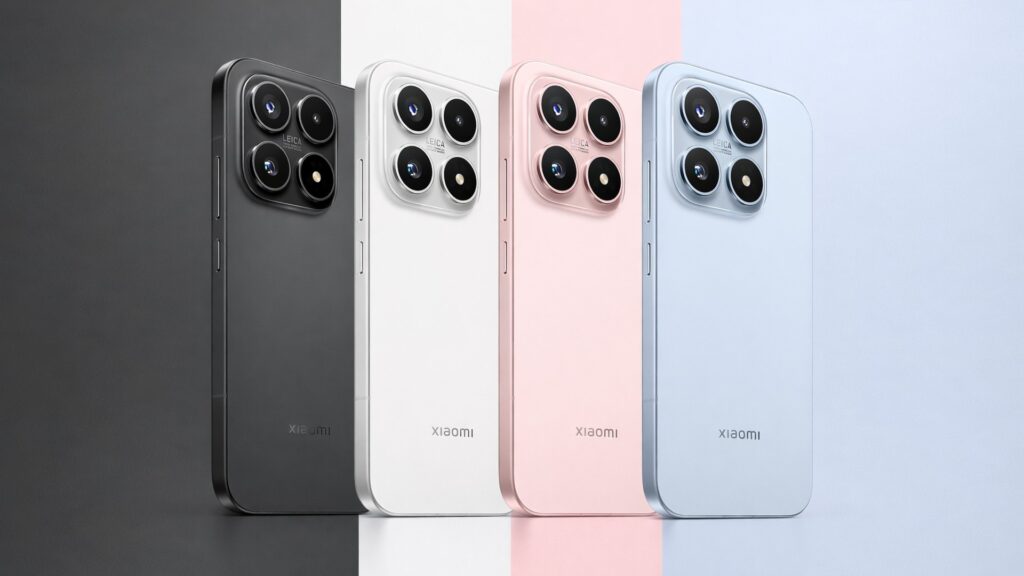
Flagship models like the Xiaomi 15 series and the Xiaomi 14 series are expected to be among the first to receive the update. Following closely behind would be recent upper mid-range and mid-range Xiaomi devices. On the Redmi side, popular models like the Redmi Note 14 series and Redmi Note 13 series should be in line. For Poco users, devices like the Poco F6 series and Poco X7 series are expected to be part of the rollout as well.
It is worth noting that the exact list will depend on hardware capabilities and how long each device has been on the market. Older devices with less capable processors or limited RAM may not make the cut, which is standard practice across the industry. Xiaomi is expected to confirm the full list of eligible devices as the rollout gets closer.
When will the rollout begin?
Xiaomi has not pinned down exact dates just yet, but based on how previous HyperOS updates have been handled, there is a general pattern we can expect. Flagship devices almost always get first priority. That means the Xiaomi 15 series and similar high-end models will likely see HyperOS 4 before anyone else, potentially in the form of a beta program that opens up ahead of the stable release.
From there, the update typically trickles down to mid-range Xiaomi devices, then to Redmi models, and finally to Poco phones. This phased approach lets Xiaomi catch and fix any bugs at each stage before pushing the update to a wider audience. It is a sensible strategy, even if it means some users need to wait a little longer.
If Android 17 follows its expected release timeline from Google, we could see HyperOS 4 start rolling out to early adopters in the latter part of 2025, with broader availability stretching into early 2026. But again, these are estimates, and Xiaomi will confirm official timelines when it is ready.






[…] Jagex has been talking about their “Road to Restoration” for months. This is not just a small patch to fix a few bugs. It is a fundamental rethinking of how the three original combat styles, melee, ranged, and magic, […]