
Apple App Store subscription changes offer cheaper monthly rates but leave users worried

Apple is currently shaking things up in a way that is making every iPhone owner take a second look at their monthly bills. The tech giant has recently introduced a series of Apple App Store subscription changes that allow developers to offer much lower monthly price points than ever before. On the surface, this looks like a massive win for the average consumer. Everyone wants to pay less for their favorite weather app, fitness tracker, or photo editor. However, if you look closer at the reaction from the community, the vibe is not entirely positive.
Many people are starting to realize that these Apple App Store subscription changes might be a double edged sword. By lowering the barrier to entry, Apple and its developers might be making it a little too easy to sign up for dozens of small services. This is a move that aims to maximize the volume of subscribers, even if the individual payments are smaller. It is a fundamental shift in how the digital economy on our phones works.
The psychology behind the Apple App Store subscription changes
The logic behind these Apple App Store subscription changes is rooted in human psychology. It is much easier to convince someone to spend 49 cents or 99 cents a month than it is to ask for a 50 dollar annual payment. When a price is under a dollar, most people do not even consider it a real expense. They click the “Subscribe” button without thinking twice. This is exactly what Apple and developers are counting on.
As these Apple App Store subscription changes roll out, we are seeing a move toward “micro-subscriptions.” In the past, developers often felt pressured to charge higher amounts to cover the 30 percent commission that Apple takes from every sale. Now, with more flexible pricing tiers, they can experiment with ultra low costs to see if they can attract a wider audience. The risk for the user is the “death by a thousand cuts” scenario. While one sub-dollar payment is fine, twenty of them start to add up to a significant monthly drain on a bank account.
Why developers are embracing the Apple App Store subscription changes
For the people who make the apps we use every day, these Apple App Store subscription changes represent a new way to survive in a crowded market. The old model of “pay once and own it forever” is essentially dead. Developers need recurring revenue to pay for server costs, updates, and staff salaries. By using the new tiers provided by the Apple App Store subscription changes, they can target users who were previously priced out of the market.
For example, a professional grade video editor might usually cost 10 dollars a month. With the Apple App Store subscription changes, the developer could offer a “basic” version for 99 cents that includes just enough features to keep the user engaged. This creates a funnel. Once a user is in the ecosystem at a low price point, it is much easier to upsell them later. It also helps with user retention. People are less likely to go through the effort of canceling a subscription that costs less than a candy bar.
Why iPhone owners remain skeptical of Apple App Store subscription changes
If you spend any time on social media or tech forums, you will see that iPhone owners are a savvy bunch. They have seen these types of shifts before. The main concern regarding the Apple App Store subscription changes is that it will lead to more “nickel and diming.” Users are worried that features that used to be free will now be tucked behind these “affordable” monthly micro-payments.
There is also the issue of management. Managing five subscriptions is easy. Managing thirty subscriptions across different categories like entertainment, productivity, and health is a nightmare. Even though the Apple App Store subscription changes make the prices lower, they do not necessarily make the user experience better. Critics argue that this is simply a way for Apple to boost its Services division revenue, which has become a massive part of the company’s financial health as iPhone hardware sales reach a plateau.
The technical side of the Apple App Store subscription changes
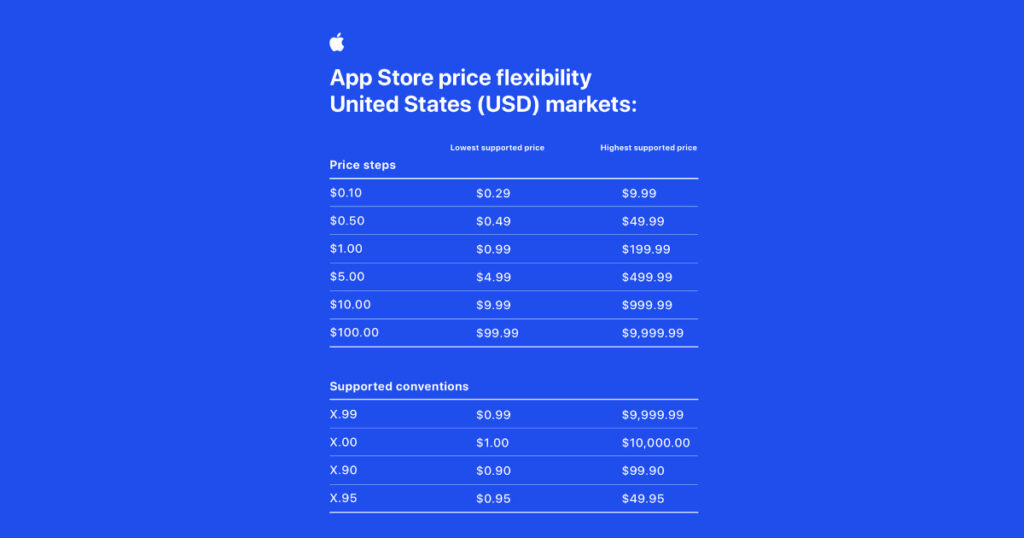
Technically, these Apple App Store subscription changes involve a massive update to the back end of the App Store Connect platform. Developers now have access to hundreds of price points that are localized for different countries. This means that a “low cost” subscription in the United States might be priced differently in India or Brazil to match the local purchasing power. This is a huge part of the GEO best practices that Apple is pushing.
The Apple App Store subscription changes also allow for more “contingent” pricing. This means developers can offer discounts if you are already subscribed to another one of their apps. It is a web of interconnected payments designed to keep the user locked into a specific developer’s ecosystem. While this can lead to some great bundles, it also makes the App Store a much more complex place to navigate.
Navigating the new landscape of Apple App Store subscription changes
As a user, the best way to handle the Apple App Store subscription changes is to stay vigilant. It is now more important than ever to regularly check the “Subscriptions” section in your Apple ID settings. It is very easy for a few 99 cent charges to slip through the cracks. The Apple App Store subscription changes are designed to be frictionless, which is great for convenience but dangerous for your wallet.
On the other hand, for people who only need an app for a short period, these Apple App Store subscription changes are perfect. If you need a high end photo editor for just one weekend project, paying a small fee for a month is much better than being forced into a yearly commitment. The flexibility is real, but it requires a high level of personal financial discipline.