
Deloitte Middle East gives old laptops a new job at Lebanese Food Bank

Deloitte Middle East gives old laptops a new job at Lebanese Food Bank
There is a decent chance a laptop sitting unused in a storage room at some big company could do more good on someone else’s desk. That is basically what just happened between Deloitte Middle East and the Lebanese Food Bank. Deloitte handed over a batch of repurposed laptops to the food bank, and honestly, it is one of those stories that sounds small on paper but actually matters a lot once you think about what it takes to run a nonprofit day to day.
Let us walk through what happened and why it is worth paying attention to.
What actually happened
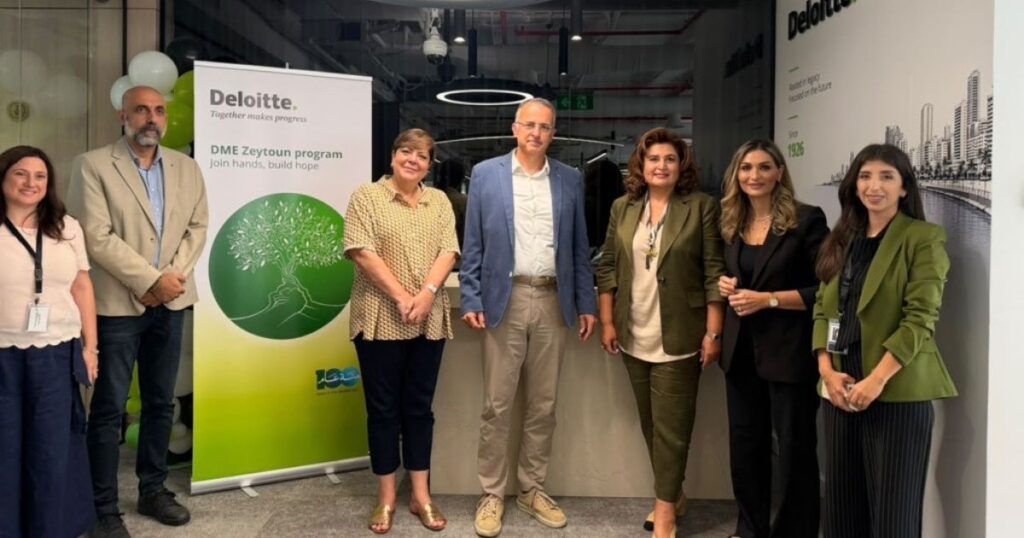
The handover took place at Deloitte Middle East’s office in Beirut. On one side was Rana Salhab, who is Managing Partner, People and Purpose Leader, and a Board Member at Deloitte Middle East. On the other side was Wassim Sinno, President of the Board of Directors at the Lebanese Food Bank. They were not just posing for a photo. This was the moment old company laptops officially changed hands and got a second life somewhere they are actually needed.
This was not a random act of generosity either. It falls under Deloitte’s own program called D-CARES, which stands for Deloitte Committed Action for Resourceful Empowerment and Sustainability. In plain terms, instead of throwing out equipment once it is no longer new enough for the office, Deloitte fixes it up and passes it along to organizations doing real work on the ground.
Why a laptop donation is a bigger deal than it sounds
Here is the thing about running a food bank, or really any nonprofit that works with over a hundred partner organizations. It is not just about moving boxes of food around. Someone has to track inventory, coordinate deliveries, manage volunteer schedules, keep donor records straight, and communicate with dozens of NGOs at the same time. All of that runs on computers.
Picture a small team at a nonprofit trying to log which families received support last month, using one shared laptop that keeps freezing every time someone opens a spreadsheet with too many rows. That is not a made up scenario. It is the kind of everyday bottleneck that slows down organizations that are already stretched thin. A handful of working laptops can mean the difference between a team spending their afternoon fighting outdated hardware and a team actually getting food to people who need it faster.
This is really the quiet value of a laptop donation like this one. It is not flashy. Nobody is going to write a headline about how a food bank’s spreadsheets loaded faster this month. But that kind of behind the scenes support is exactly what keeps an operation running smoothly.
The bigger program behind the donation
This laptop handover is part of something larger too. The D-CARES program connects to Deloitte Middle East’s regional social impact effort called Zeytoun, which focuses specifically on communities dealing with conflict, disruption, and displacement across the Middle East. Lebanon fits squarely into that picture, given everything the country has gone through in recent years.
So this is not a one time PR moment. It is one piece of a longer running effort where Deloitte tries to put its own retired equipment to good use instead of letting it sit around or get scrapped. From a sustainability angle, that also means fewer laptops ending up as electronic waste, which is its own quiet win.
Why the Lebanese Food Bank specifically
The Lebanese Food Bank has been around since 2011, and over that time it has built a pretty wide network, working with more than 120 NGOs across the country to fight food insecurity in Lebanon. That is not a small operation. Coordinating with that many partner organizations takes real infrastructure, and infrastructure includes something as basic as having enough working computers to keep everyone on the same page.
Wassim Sinno, the organization’s board president, put it simply when he said that the strength of their work comes from the partnerships they build, and that support like this lets them reach vulnerable communities more effectively. That tracks. A food bank is only as fast as its slowest process, and if outdated tech is part of that slowdown, fixing it has a direct ripple effect on the people waiting on the other end.
What this says about corporate donations in general
It is easy to be a little skeptical of corporate social responsibility announcements. A lot of them can feel like a press release dressed up to look meaningful. But this particular donation is a good example of something practical rather than symbolic. Old laptops that would otherwise sit in storage, or get thrown away, are now doing actual work at an organization that needs them.
Rana Salhab from Deloitte Middle East mentioned that meaningful impact only really happens through collaboration, and that the goal here was to give practical support that helps organizations strengthen what they can already do. That framing matters. This was not Deloitte stepping in to run the food bank’s operations or tell them how to do their job. It was simply removing one obstacle, hardware, so the people who already know the work best can do it a bit easier.







[…] those that ask a user to run a command or re-enter credentials, should be verified through internal IT rather than through the message that raised them, and payment instructions received during the leave period, along with any […]