
BMW i4 discontinued as the all-new i3 takes over the electric sedan mantle

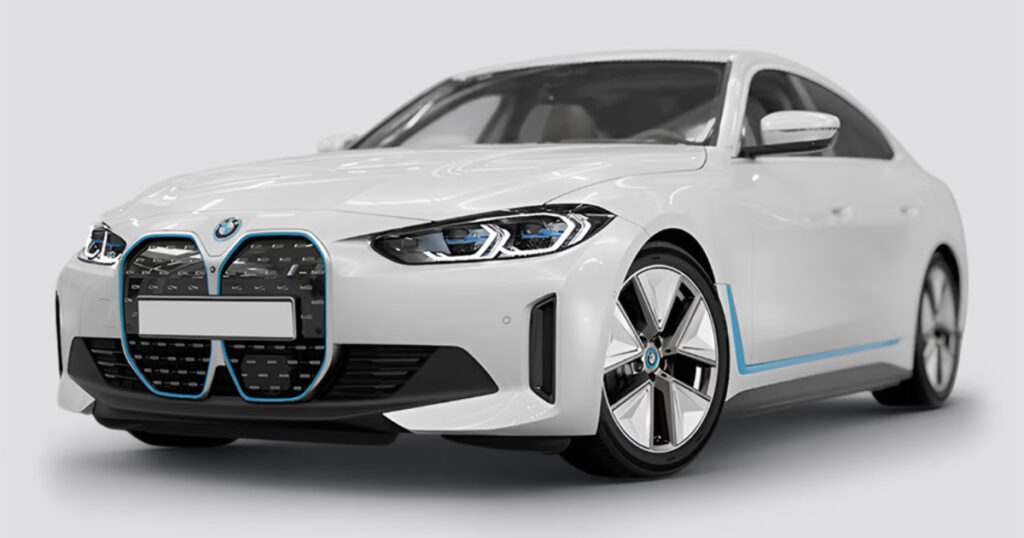
The BMW i4 discontinued news that enthusiasts had been bracing for is now official. At the launch event for the new i3 in Germany, BMW product boss Bernd Körber made it clear: the i4’s days are numbered, and the all-new Neue Klasse i3 is stepping into its shoes. “The i3 is more or less the successor of the i4,” Körber told Motor1. “But you’ll see the portfolio evolve over the next few years as our electric lineup expands, so there’s more to come. For the time being, though, the i3 is essentially the i4’s successor.”
That is about as direct as BMW executives tend to get. Production of the i4 is expected to wind down by late 2026, and it will go out quietly given the existing car received a facelift just last year. What follows it, though, is anything but quiet.
Why the i4 had to go
The BMW i4 was never a clean-sheet electric vehicle. It was built on the same CLAR platform that underpins the combustion-engined 4 Series Gran Coupe, which meant BMW had to work around the constraints of a chassis designed with an engine in mind. The compromises were manageable for a first-generation effort, but they became increasingly visible as purpose-built EV platforms from rivals started to pull ahead on range, charging speed, and interior packaging.
The BMW i4 discontinued decision is not really a failure of the car itself. It sold reasonably well and was competitive when it launched in 2021. The problem is that the EV market moved fast, and a converted platform was never going to keep pace with what was coming off ground-up electric architectures. BMW knew this, which is exactly why it spent years developing the Neue Klasse platform and why the i3 looks as capable as it does.
The i3 that replaces it is a genuinely serious machine
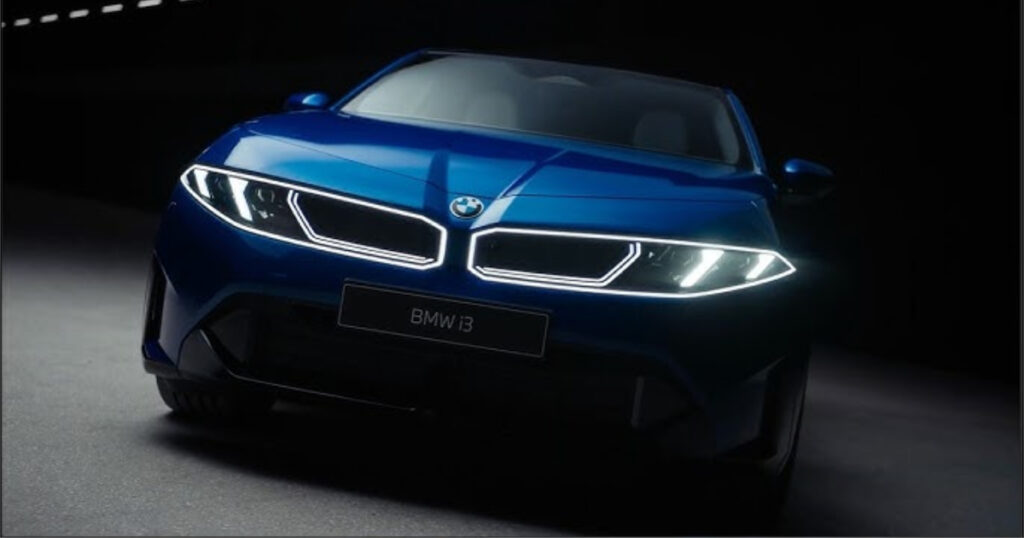
The new i3 debuts with 463 horsepower, up to 440 miles of EPA-estimated range, and a sharp Neue Klasse design language. Those figures on their own would be impressive. The way they are achieved makes them more so.
The BMW i3 launches in 50 xDrive trim, equipped with electric motors on the front and rear axles that provide a total system output of 463 horsepower and 476 lb-ft of torque, and standard all-wheel drive. Its 400 kW DC charging rate is one of the highest seen in the segment, enabled by an 800-volt architecture.
To put that charging speed in perspective: BMW claims the 400 kW DC charging can add 249 miles of range in 10 minutes. Practically speaking, finding a public charger rated that high is still a challenge, but the capability is there for when infrastructure catches up.
The i3 is built on the Neue Klasse architecture engineered exclusively for EVs. Like the iX3, the new i3 also features a front trunk, and the sedan’s more aerodynamic shape compared to the crossover contributes meaningfully to the extended range.
The Neue Klasse difference, in plain terms
If you are not deeply into automotive engineering, Neue Klasse is simply BMW’s term for its next-generation electric platform. Unlike the modified combustion architectures BMW used for the i4 and i5, the Neue Klasse was designed from day one as an EV-only structure. That matters for a few reasons.
BMW says its new sixth-generation eDrive system delivers 30 percent more range, 30 percent faster charging, and 25 percent better efficiency compared to the previous generation. The platform uses cylindrical battery cells rather than the prismatic cells in earlier BMW EVs, which provides better energy density and allows for a lower vehicle floor, improving both aerodynamics and interior headroom.
The platform’s central feature is a quartet of centralised ECUs that BMW calls Superbrains, each focused on a specific function: driving dynamics, automated driving, infotainment, and basic vehicle controls. BMW says this architecture delivers over 20 times the computing power of previous models, and also cuts wiring to save weight.
Size, design, and how it sits in the lineup
The dimensions, 187.4 inches long, 73.4 inches wide, and 58.3 inches tall, with a wheelbase of 114.1 inches, open up meaningful interior room. It is slightly stubbier in length than the i4 it replaces but wider, and the Neue Klasse’s long wheelbase with short overhangs translates that into genuine rear passenger space improvement.
The design takes the Neue Klasse language from the iX3 SUV and applies it to a traditional three-box sedan shape. Up front, the kidney grille has been reinterpreted as a wider, integrated light signature rather than a standalone grille element. Around the back, horizontal taillights with a new take on BMW’s classic L-shaped signature round out a look that has divided opinion since the Vision Neue Klasse concept previewed it in 2023. That reaction, predictably, is nothing new for the 3 Series lineage.
What comes next for the i4 name
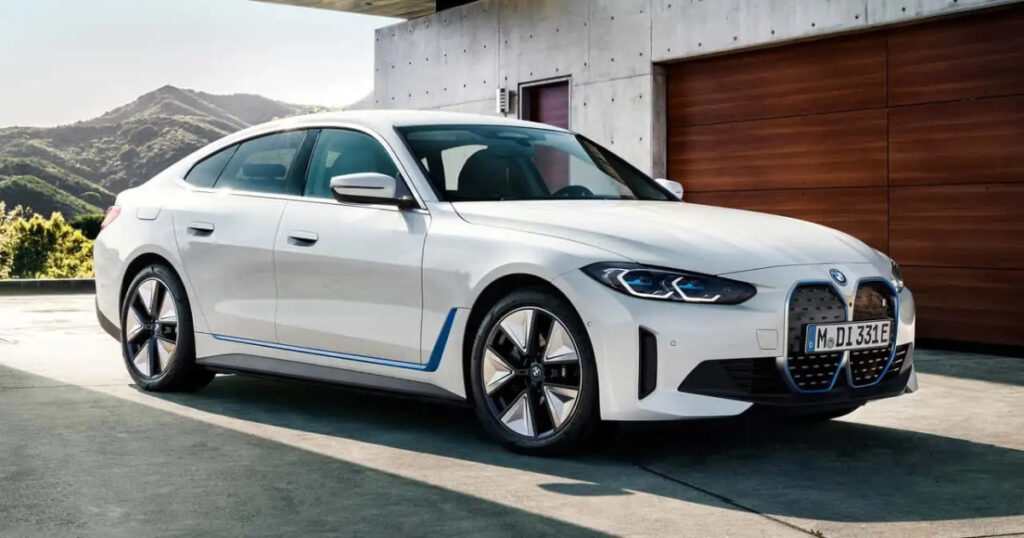
Körber’s comments left a deliberate door open. He said the portfolio will evolve and that “there is more to come,” which strongly implies a future vehicle could carry the i4 name again, likely built on the Neue Klasse platform when the new 4 Series arrives. Reports suggest a new 4 Series is already in development and will use i3’s platform for the electric variant, so an i4 Neue Klasse is a plausible outcome in the next product cycle.
For now though, the BMW i4 discontinued story is the end of a chapter. The BMW i3 is expected to go on sale in the US in 2027, with production starting in the second half of 2026 at BMW’s Munich plant, estimated to start at around $55,000. RPG Site It competes directly with the Tesla Model 3, Mercedes CLA EV, and Audi A6 e-tron, and on the spec sheet at least, it has strong arguments against all three.






[…] is an important distinction, because much of the debate around Tesla FSD centres on how the technology is marketed versus what it actually does. Technically, FSD (Supervised) is a […]