Fitbit Edge Explained: Features, Price and Who Should Buy It

Fitbit Edge Explained: Features, Price and Who Should Buy It
Quick answer: Fitbit Edge is a slim fitness tracker from Google that sits between a full smartwatch like the Pixel Watch and a screenless band like Fitbit Air. It has a bright display, built-in GPS, an ECG app, sleep and skin temperature tracking, and up to seven days of battery. It costs $179.99 and goes on sale in stores on October 27.
If you have ever felt that a smartwatch is too much and a plain band is too little, Fitbit Edge is made for you. In this guide, I will explain what it does, what is new, what it costs, and who should think about buying it, all in plain words.

What Is Fitbit Edge?
Fitbit Edge is Google’s next-generation fitness tracker for active people who also want something comfortable for everyday wear. Think of it as the middle child of Google’s wearable family.
Pixel Watch: a full smartwatch with many advanced features.
Fitbit Air: a lightweight, screenless wearable for quiet, simple tracking.
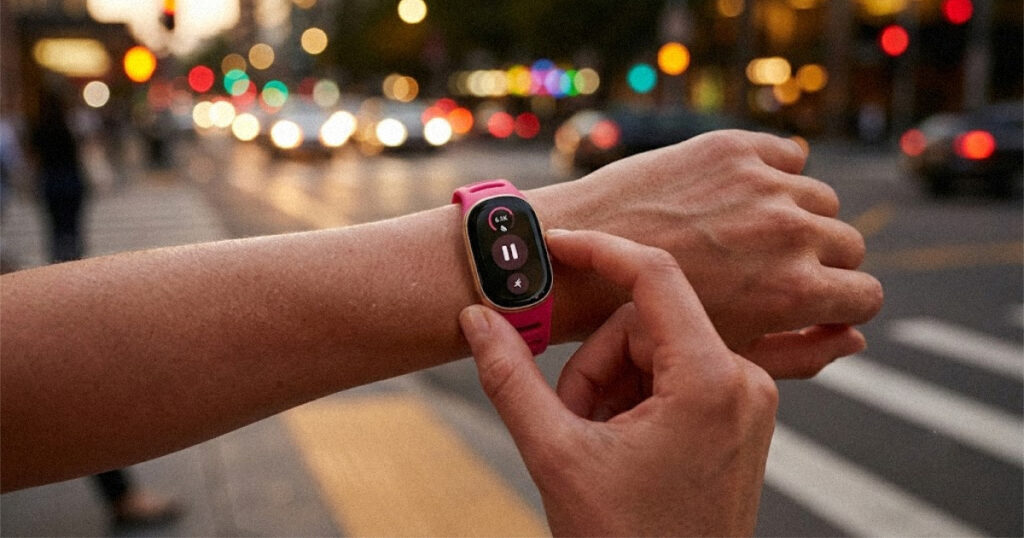
Fitbit Edge: a slim tracker with a screen, so you can see your stats at a glance without carrying a full smartwatch.
Google says it is built from durable recycled aluminum and is just 11.5mm thin. It also says the case is 45% lighter than the Apple Watch Series 12. That is a company claim, but it tells you what Google is aiming for: something you forget you are wearing.
Fitbit Edge Features You Will Notice First
Let us start with what you see and touch every day.
A bigger, brighter screen. Google says Fitbit Edge has its largest and brightest tracker screen yet, with 46% more viewing area than earlier trackers. It uses a Hybrid OLED display that is meant to stay readable even in strong sunlight. If you have ever squinted at your wrist during an afternoon jog, you will understand why this matters.
A real side button. Many slim trackers rely only on touch. Fitbit Edge has a redesigned physical button that clicks when you press it. This helps when your fingers are sweaty or you are wearing gloves. For example, you can pause a workout with one press.
A simple, fast interface. The screen shows tiles you can swipe through. You get steps, weather, sleep, heart rate and cycle tracking. It also supports Google Maps, media controls, and call and message alerts. You can change the watch face and swap the band to match your style.
Training Tools Built Into Fitbit Edge
This is where Fitbit Edge starts to feel like a proper sports companion.
50+ exercise modes that you can start from your wrist.
Live guidance on screen. You see pace targets for runs, heart rate zones for interval workouts, and splits for track sessions.
Built-in GPS. You can leave your phone at home and still map your route. Google says tracking accuracy is up to 40% better than past generations, thanks to an upgraded GPS chip and a nano-molded aluminum housing.
An altimeter that measures climbs, which helps with hill runs and stair workouts.
Automatic workout detection for up to 100 activities. If you forget to press start on a walk or a ride, it still counts.
How Google Health Coach Works on Fitbit Edge
The Google Health Coach is the personal guide that sits behind your data. It was first launched on Pixel Watch and on Fitbit Air, and now it comes to Fitbit Edge.
Raw numbers like “resting heart rate 62” do not mean much on their own. A coach helps you understand what the numbers say about your habits. With Google Health Premium, Google says the coach can explain changes in your patterns, give lifestyle tips, adjust your fitness plan, and help you prepare for a talk with your doctor.
Each Fitbit Edge purchase includes three months of Google Health Premium.
A Day With Fitbit Edge: A Simple Example
To make this real, here is an example of how someone like Meera might use it. Meera is a made-up person, but her routine is very common.
Meera is 32, works at a desk, and is training for her first 10K race. She struggles to stay consistent.
Saturday, 6:30 AM. She starts a run from her wrist and leaves her phone at home. The screen shows her target pace. Halfway through, she reaches a crossing and presses the side button to pause. No fumbling with a wet touchscreen.
Sunday morning. Her tracker shows a low recovery score because she slept badly, and it also noted a rise in her skin temperature overnight. She decides to do a gentle walk instead of a hard session. The tracker logs the walk automatically.
Monday. She asks her Coach why her sleep was poor. If she has Premium, it can point to patterns such as late dinners or late screen time and suggest a small fix. It can also adjust her training plan for the week.
Thursday night. The battery is still going. She has not charged it since the weekend. She gives it a five-minute top-up while she makes tea, and it is good for a full day.
None of this is dramatic. That is the point. Small, steady help every day is what builds real habits.
Health Sensors Inside Fitbit Edge
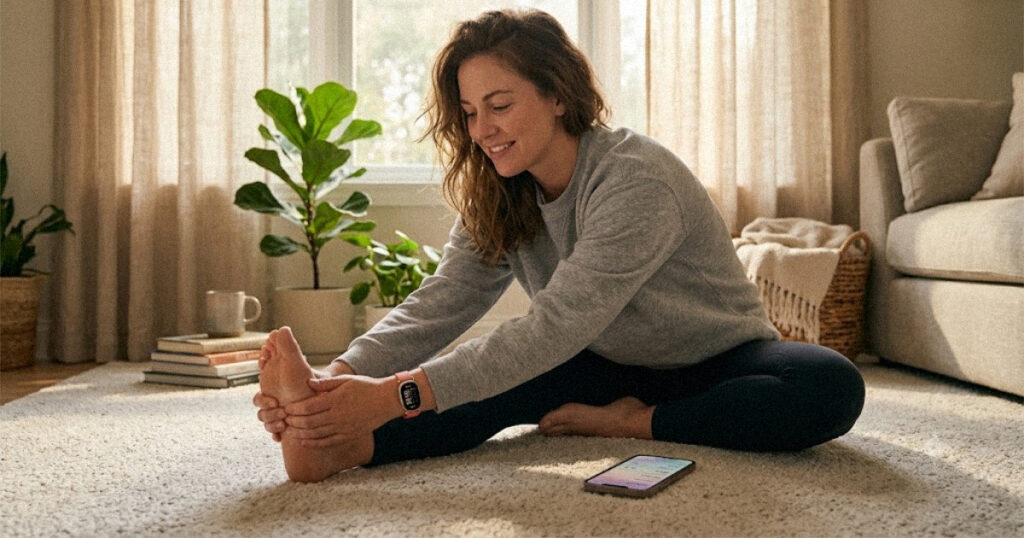
Fitbit Edge also watches your health quietly in the background.
- ECG app: You can check your heart rhythm at any time.
- Continuous heart rate tracking to follow rest and recovery.
- Skin temperature sensor that tracks small changes at night. Together with sleep stages and heart rate variability, it feeds your morning recovery score.
- Health Guardian features: Google says these watch for trends in blood pressure and insulin resistance, and send high or low heart rate alerts.
A fair note here: these are trend and wellness tools, not a replacement for a doctor. If you feel unwell or see something worrying, speak to a medical professional. Also, some health features may not be available in every country, so check what is offered where you live.
Fitbit Edge Battery Life and Durability
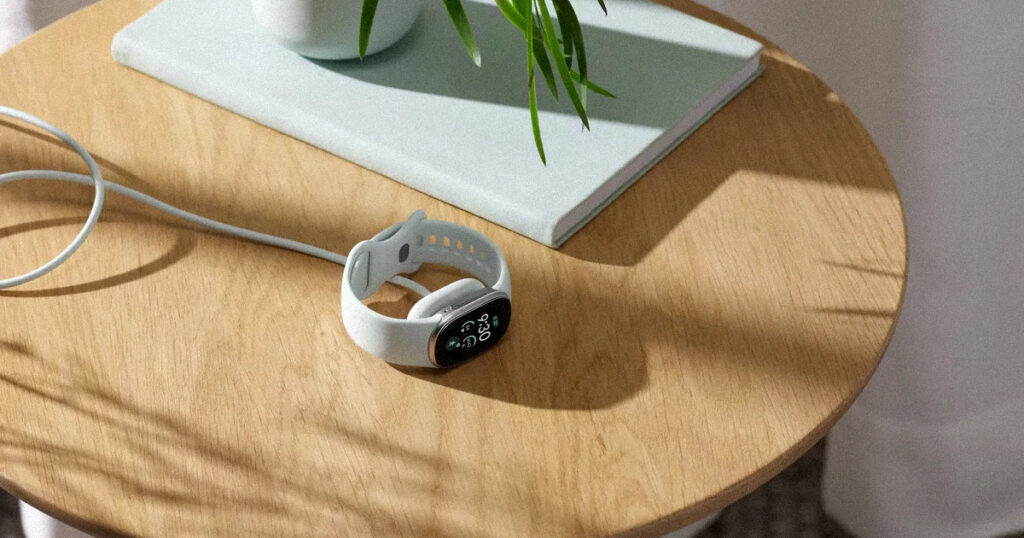
Fitbit Edge battery life is up to seven days on one charge, according to Google. That is enough to track workouts by day and sleep by night without charging every evening. Fast magnetic charging gives a full day of power in about five minutes.
On durability:
- It is water resistant up to 50 meters, so rain, sweat and swimming are fine.
- It has a metal housing with a protective design.
- It is Google’s first repairable fitness tracker, with a modular inside and a replaceable battery. This is good news if you hate throwing away gadgets after a couple of years.
Fitbit Edge Price, Colors and Bands
The Fitbit Edge price is $179.99. It is open for pre-order on the Google Store and through retail partners, and it reaches shelves on October 27. A Stephen Curry Special Edition costs $219.99 and comes in his signature rye tones and game day orange.
Colors:
- Obsidian (matte black)
- Fog (polished silver)
- Olive (satin pyrite)
- Canyon (warm gold)
Band options: Active Sport, Performance Loop, Magnet band and Metal Links.
Prices are in US dollars, and the release does not say when it will be sold in every country. If you live outside the US, check the Google Store in your region before you plan your purchase.
Who Should Buy Fitbit Edge?
It is a good fit if you:
- Train for races or follow a workout plan.
- Want to see pace, heart rate and splits on your wrist.
- Care about sleep and recovery.
- Dislike heavy, bulky smartwatches.
- Want a longer-lasting, repairable device.
You may want to wait or look elsewhere if you need a full app store experience on your wrist, or if you want all the coaching features without paying for a subscription, since the deeper Coach guidance relies on Google Health Premium.
Frequently Asked Questions
What is Fitbit Edge?
Fitbit Edge is a slim fitness tracker from Google with a bright screen, GPS, ECG, sleep tracking and Google Health Coach support.
How much does Fitbit Edge cost?
It costs $179.99. The Stephen Curry Special Edition costs $219.99.
How long does the Fitbit Edge battery last?
Google says up to seven days per charge, with a five-minute fast charge giving about a full day of power.
Does Fitbit Edge have GPS?
Yes. It has built-in GPS, so you can track runs without your phone.
Is Fitbit Edge waterproof?
It is water resistant up to 50 meters.
When can I buy Fitbit Edge?
You can pre-order now, and it arrives in stores on October 27.
Fitbit Edge is not trying to be a smartwatch, and that is its strength. It gives you a clear screen, strong training tools, helpful health sensors and the Google Health Coach, all in a light and repairable body. If your goal is to build better habits one day at a time, it looks like a very sensible companion.