
10 Mind blowing product visualisation prompts for high quality renders

The importance of mind blowing product visualisation prompts in modern marketing
Visual content is the primary driver of engagement in the current digital landscape. Traditional photography often requires significant budgets, studio space, and time. AI technology has changed this by allowing creators to generate high quality assets using specific text instructions. To achieve professional results, you must use mind blowing product visualisation prompts that provide clear context to the AI model.
The effectiveness of an image depends on lighting, texture, and composition. When you use these prompts, you give the AI the necessary parameters to simulate real world physics and professional photography techniques. This approach reduces costs while maintaining a high standard for your brand.
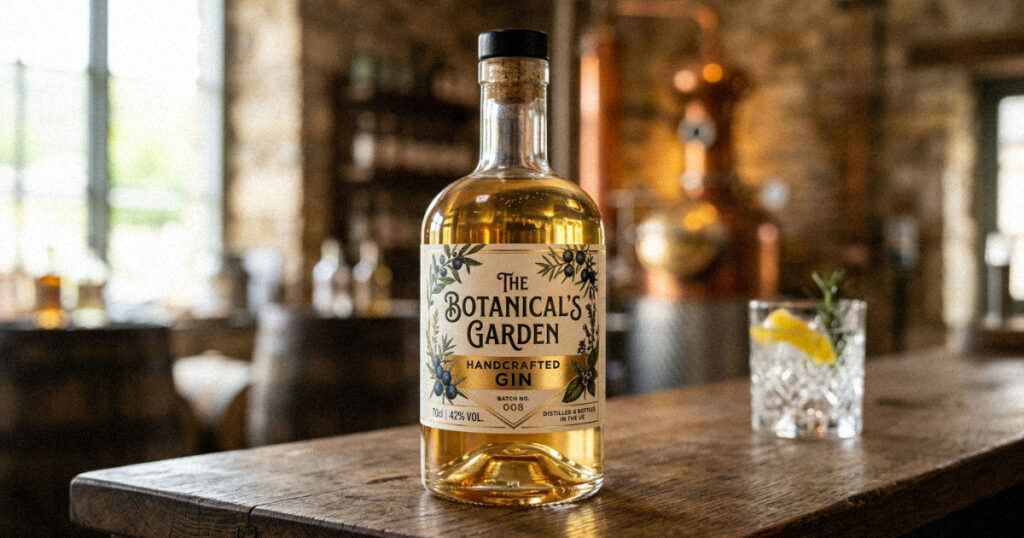
Here are 10 Mind blowing product visualisation prompts for high quality renders –
1. The minimalist studio setup
Minimalism remains a top choice for luxury brands. This style focuses on the product without distracting background elements.
Prompt: A high-end skincare bottle placed on a smooth travertine stone pedestal, soft natural sunlight coming from a side window, long soft shadows, neutral beige background, 8k resolution, shot on 85mm lens, photorealistic.
This prompt works because it specifies the material of the pedestal and the exact lighting conditions. Using a 85mm lens reference helps the AI understand the depth of field required for professional product photography.

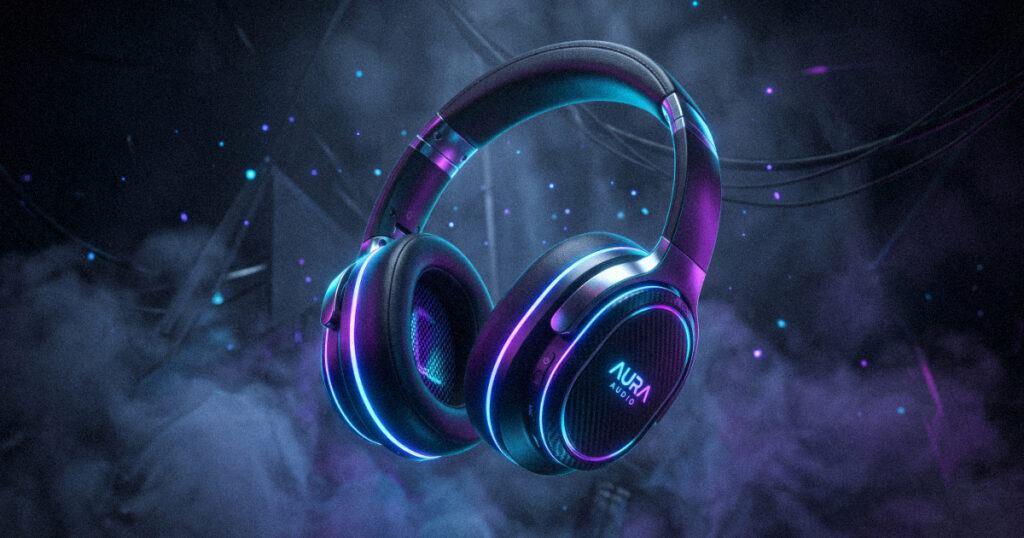
2. Cyberpunk and neon aesthetics
For tech products or energy drinks, a vibrant and futuristic look is often more effective. This style uses high contrast and saturated colours to grab attention.
Prompt: A pair of sleek wireless headphones floating in a dark room, glowing neon blue and purple rim lighting, reflections on metallic surfaces, volumetric fog, cinematic atmosphere, octane render style, highly detailed.
By mentioning “rim lighting” and “reflections,” you ensure the product does not get lost in the dark background. This is a key technique when using mind blowing product visualisation prompts for electronics.
3. Nature integrated product shots
Biophilic design connects products with the natural world. This is ideal for organic or sustainable brands.
Prompt: A clear glass water bottle resting on a mossy rock inside a lush forest, water droplets on the glass, sunlight filtering through tree leaves (komorebi effect), macro photography, crisp details, vibrant green tones.
The “komorebi” keyword is a specific term for dappled sunlight. Using specific terminology like this improves the accuracy of the output.

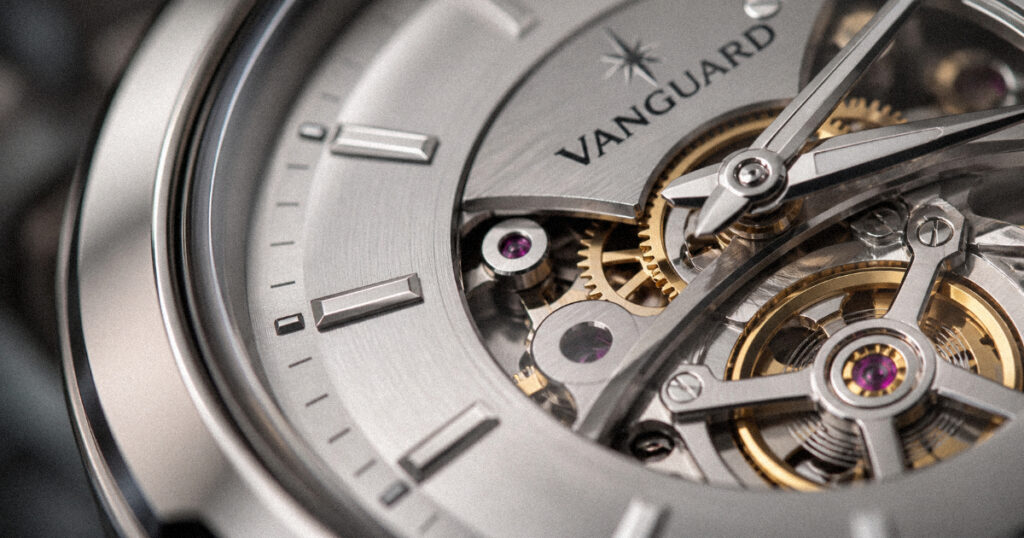
4. Macro texture and detail focus
Sometimes the most impactful visual is a close-up of the product texture. This builds trust by showing the quality of the materials.
Prompt: Extreme close up of a luxury watch face, focus on the mechanical gears and brushed metal texture, soft bokeh background, professional studio lighting, sharp focus, 100mm macro lens.
Providing the AI with a specific lens type, such as a 100mm macro, dictates the focal length and ensures the texture is the main subject.
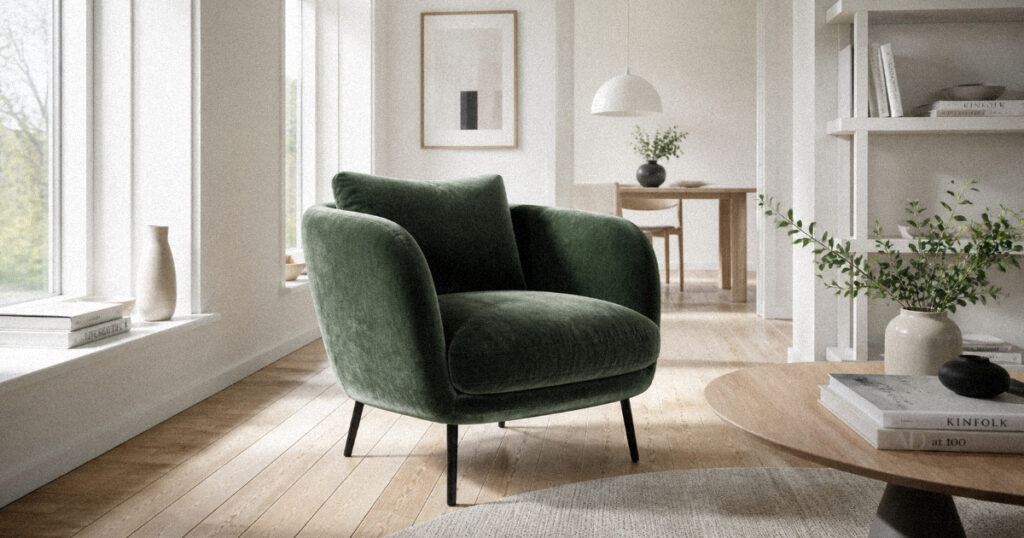
5. Architectural and interior integration
Placing a product within a well-designed room helps consumers visualise how it fits into their lives. This is essential for home decor and furniture brands.
Prompt: A modern velvet armchair in a bright Scandinavian living room, large windows, oak wood flooring, minimalist interior design, soft morning light, architectural photography style, realistic textures.
This prompt uses “Scandinavian living room” as a geographical and stylistic anchor to guide the AI toward a specific aesthetic.
6. Motion and action shots
Static images can sometimes feel flat. Adding a sense of motion makes the visual more sensational and engaging.
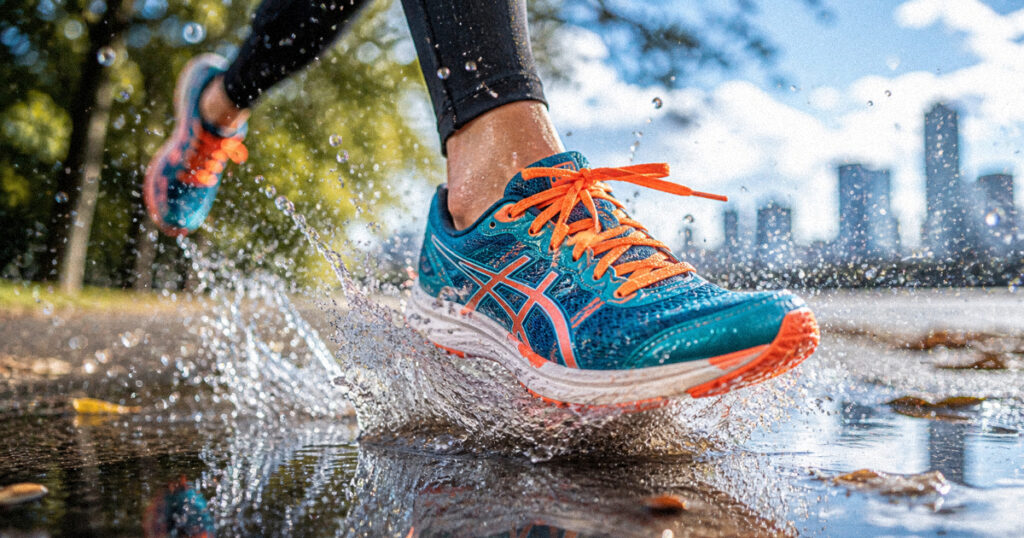
Prompt: A vibrant running shoe splashing through a puddle of water, frozen motion, water droplets captured in mid-air, high speed photography, bright daylight, dynamic composition, realistic physics.
Mind blowing product visualisation prompts that include “frozen motion” or “dynamic composition” create a sense of energy that is difficult to capture with basic prompts.
7. The abstract and conceptual approach
For brands that want to stand out, abstract environments can create a memorable brand identity.
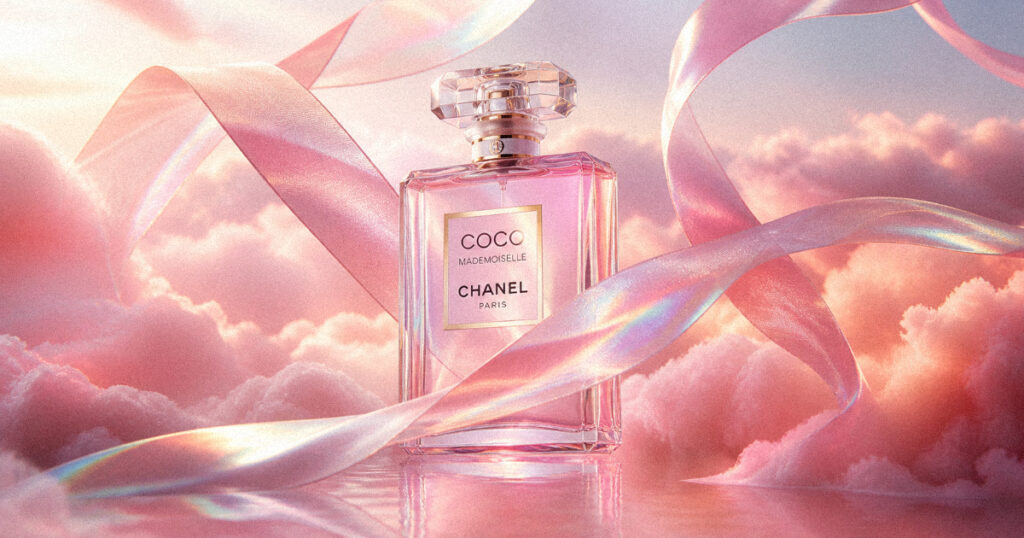
Prompt: A luxury perfume bottle surrounded by floating silk ribbons in a dreamlike pink clouds environment, soft ethereal lighting, iridescent surfaces, surrealist style, 8k, highly polished.
Abstract prompts allow the AI more creative freedom while keeping the product as the central focus. This is effective for social media campaigns.
8. Retro and vintage styles
Nostalgia is a powerful marketing tool. Using prompts that mimic film photography can create a relatable and warm feeling.
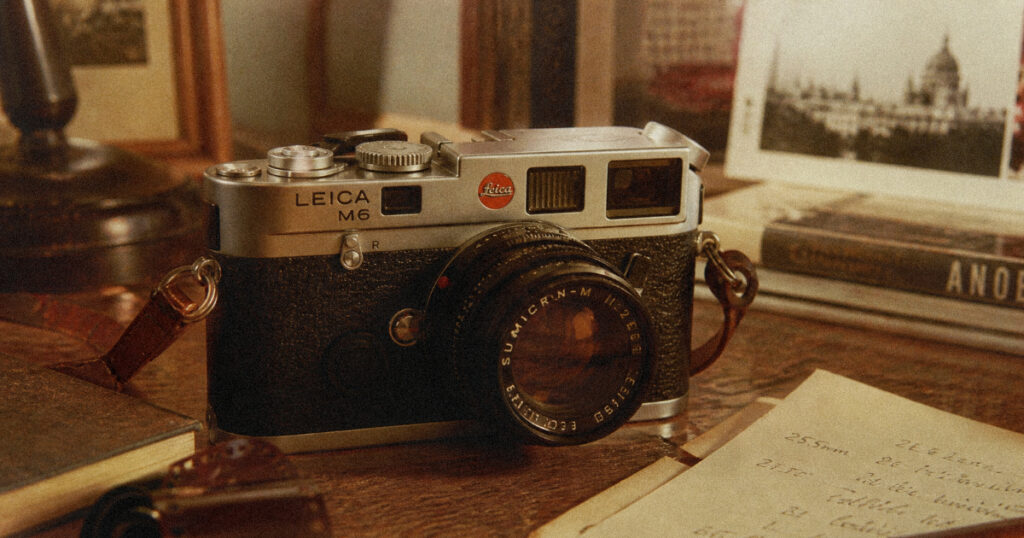
Prompt: A classic leather camera on a wooden desk, warm vintage film aesthetic, 35mm film grain, muted colours, soft focus, nostalgic atmosphere, 1970s style.
The mention of “35mm film grain” tells the AI to avoid the clinical perfection of modern digital renders and instead provide a textured, organic look.
9. Flat lay for e-commerce
Flat lay photography is a standard for websites and catalogues. It provides a clear, organized view of multiple items.
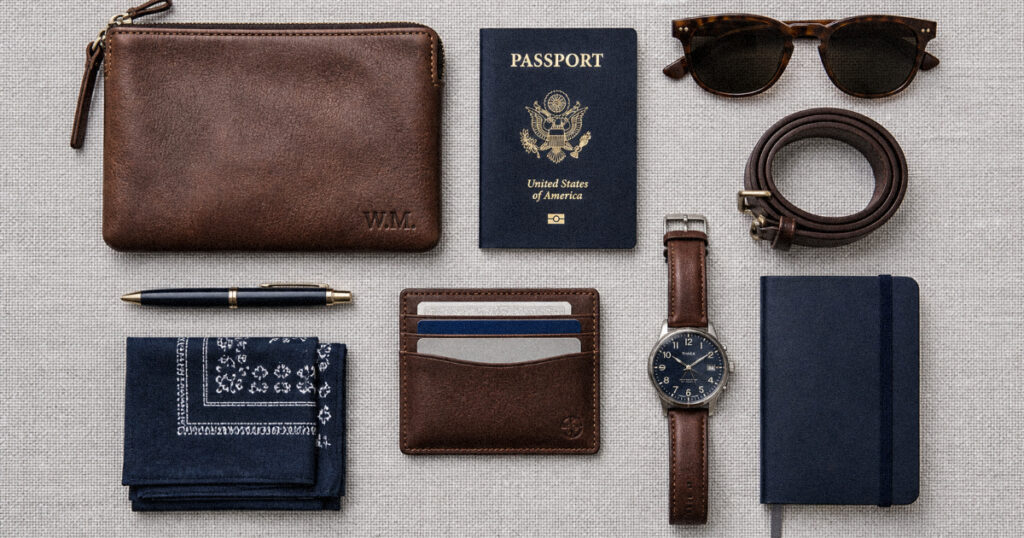
Prompt: Top down flat lay of a travel kit, including a passport, leather wallet, and sunglasses, arranged neatly on a grey linen surface, even studio lighting, no shadows, clean and professional.
Flat lays require “even studio lighting” to ensure every item is clearly visible without harsh shadows.
10. Cinematic dusk lighting
Lighting during the “golden hour” or dusk provides a premium feel that works well for automotive or outdoor gear.
Prompt: A rugged off-road vehicle parked on a desert ridge during sunset, long shadows, orange and teal colour grading, cinematic lighting, dust particles in the air, high detail.
Using “orange and teal” refers to a popular cinematic colour grading technique that makes images look like they are from a high-budget film.

How to optimise your mind blowing product visualisation prompts
To get the best results, you should experiment with different descriptors. AI models respond well to specific technical details such as lens types, lighting styles, and material finishes. If the first result is not perfect, you can adjust the prompt by adding more context regarding the environment or the camera angle.
Professional designers often combine these prompts with post-processing tools to refine the final image. This ensures the output matches the brand guidelines exactly. Using mind blowing product visualisation prompts is a skill that improves with practice and observation of real world photography.
Digital marketing experts across the globe are adopting these tools to stay competitive. By mastering the art of the prompt, you can produce a high volume of quality content that resonates with your audience. Accuracy in your descriptions leads to accuracy in the final render. This efficiency is why AI-driven visualisation is becoming a standard in the industry.




[…] not need to look perfect to win. It needs to solve a real problem, and it needs a team willing to learn from mistakes. From a Florida boat show to more than $4 billion in sales, Crocs history proves that comfort, a […]